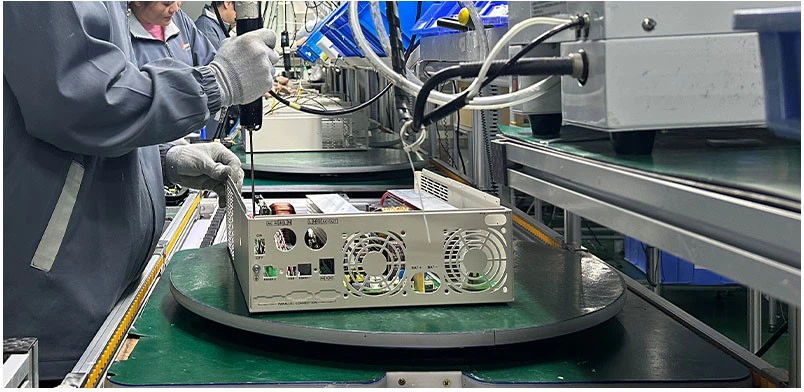
Power Semiconductor Devices Selection: The first crucial step in inverter production is the careful selection of power semiconductor devices. High-power insulated-gate bipolar transistors (IGBTs) or metal-oxide-semiconductor field-effect transistors (MOSFETs) are commonly employed. These components are chosen based on their voltage and current handling capabilities, switching speed, and efficiency. For instance, in applications demanding rapid power conversion, fast-switching MOSFETs might be favored, while IGBTs prove more suitable for handling higher voltages and currents in industrial-grade inverters.
Printed Circuit Board (PCB) Design: Sophisticated PCB design software is utilized to layout the circuitry. The layout must ensure minimal signal interference and proper heat dissipation. Multiple layers are often incorporated, with dedicated layers for power distribution, signal routing, and ground planes. Traces are carefully designed to handle high currents without excessive resistance, and vias are strategically placed to connect different layers. This precise layout is essential for the overall performance and reliability of the inverter.
Soldering and Assembly: Automated soldering machines are used to attach the components to the PCB. Surface mount technology (SMT) is prevalent, allowing for smaller component sizes and higher packing densities. Components are precisely placed on the PCB pads, and then soldered using techniques like reflow soldering, where the entire assembly is heated to melt the solder paste and form reliable connections. After soldering, manual inspection and rework, if necessary, are carried out to correct any soldering defects.

|
Model |
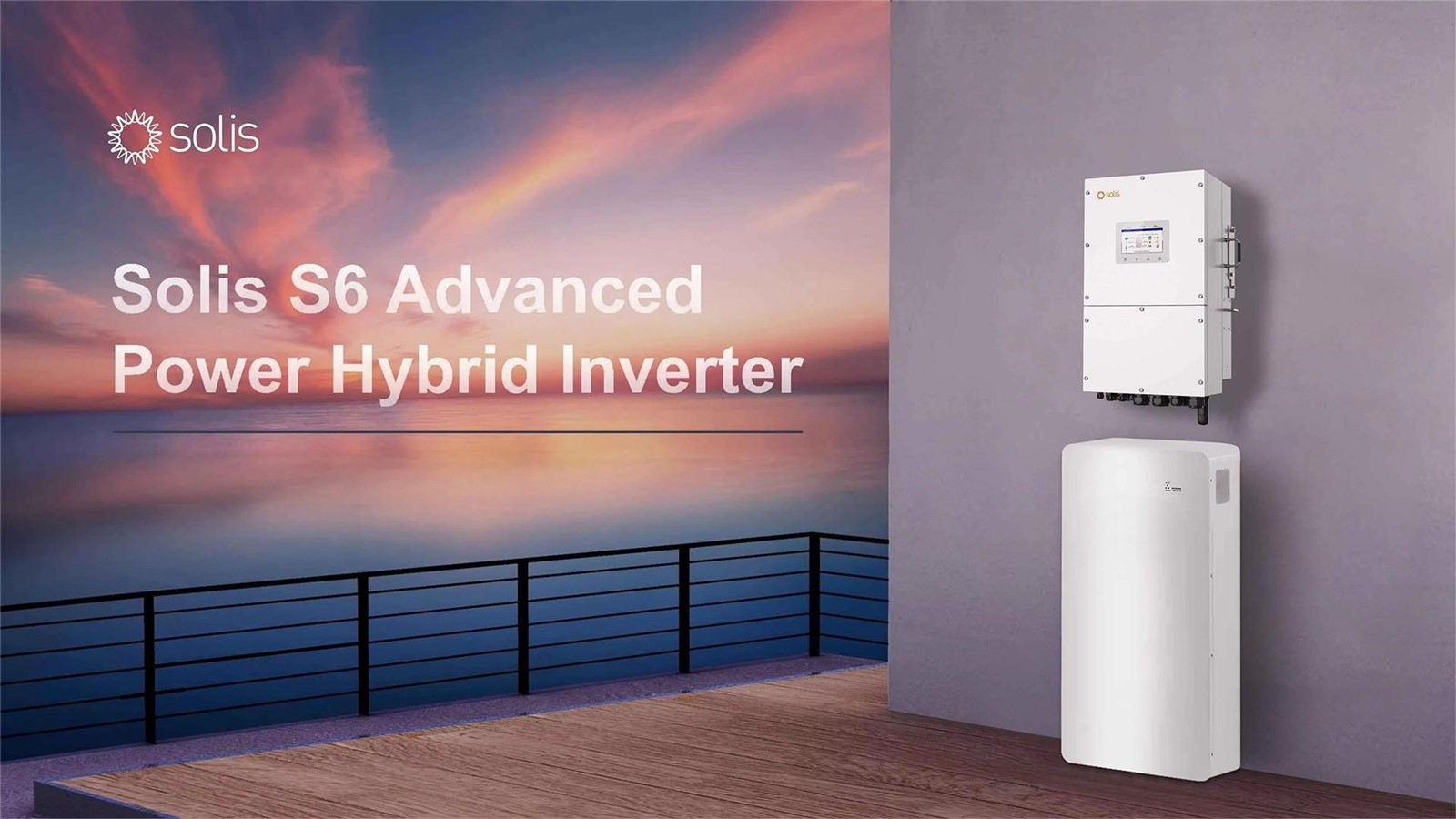
S6-EH3P10K02-NV-YD-L |
Battery type |
Lead acid or lithium battery |
|
Mains mode |
Max. charge current | 220A | |
|
Nominal input voltage |
380/400V |
Charge voltage range |
40 –60Vdc |
|
Frequency |
50Hz/60Hz (Auto detection) |
Solar charge |
|
|
Max. efficiency |
97.6% |
PV operate voltage range |
200Vdc~800Vdc |
|
Inverter mode |
MPPT voltage range | 200Vdc~800Vdc | |
|
Output voltage waveform |
Pure sine wave |
Max. PV input power/current |
16000W/40A |
|
Nominal output power(VA)/(W) |
10000W |
Charge current range |
220A |
|
Nominal output voltage (Vac) |
380/400V |
Certification |
|
|
Peak power |
20000VA |
EMC certification level |
NRS 097-2-1, IEC 62116, IEC 61727, IEC 60068, IEC 61683, EN 50530, SriLanka, EN 50438L, Vietnam, PEA\MEA, IEC/EN 62109-1/-2, IEC/EN 61000-6-1/-3 |
|
Protection |
IP66 |
Operate temperature range |
-40 to +60℃ |
|
Battery voltage range |
40.0Vdc~60Vdc |
communicate |
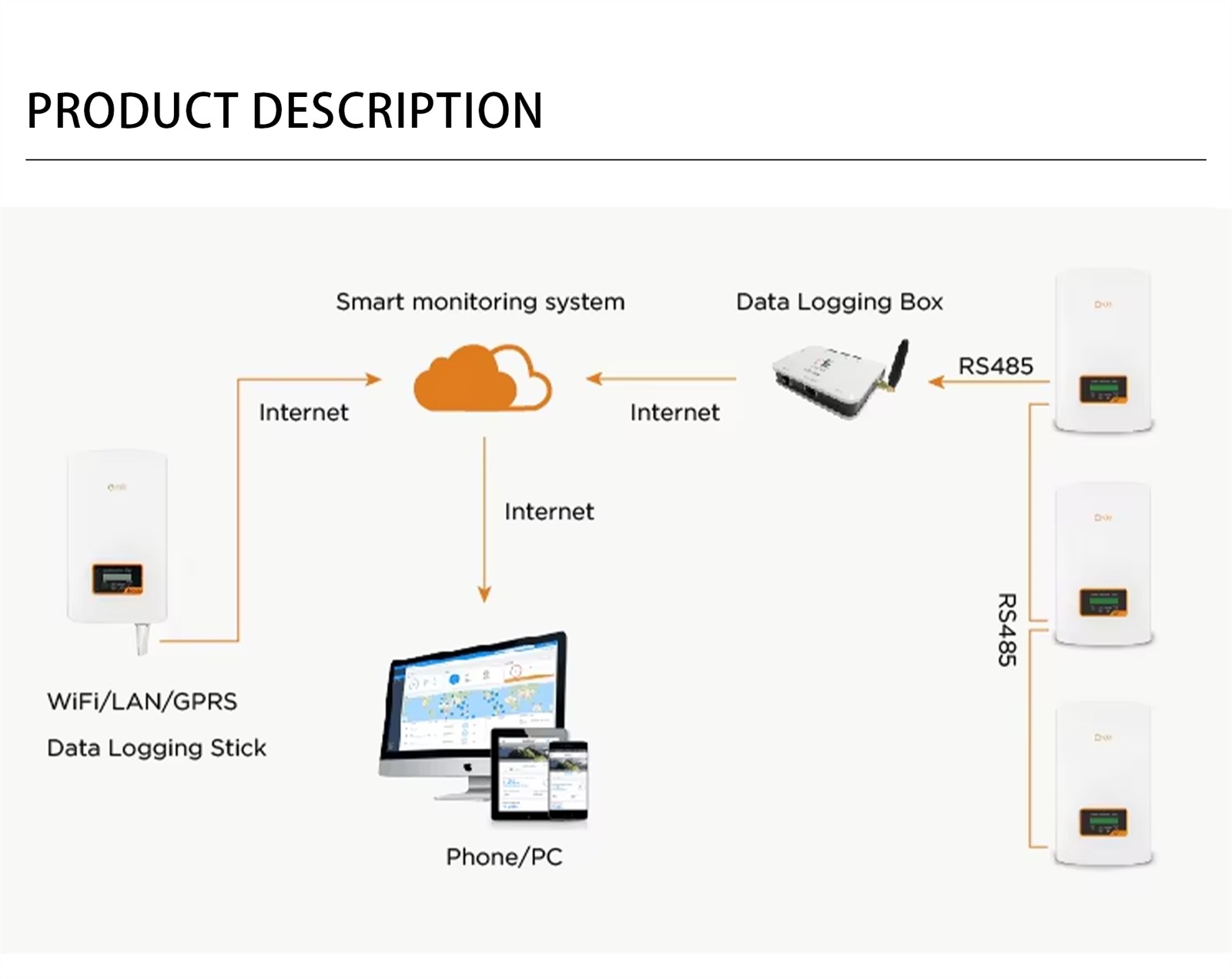
RS485/CAN |
|
Mains charge |
Humidity range | 5% to 95%(Conformal coating protection) | |


IP66 VS IP65
Dustproofcapability: Dustproof capability:
Completely dust-proof, no particles enter Completely dust-proof, no particles enter
Waterproofcapability: Waterproofcapability:
Protect against strong water column impact, twice Protect against low pressure water column impact
the water proof capacity of IPx5
Absolute advantage:
Dust-proof , IP66 can withstand strong currents, use is wider inthe environment of strong
convective weather like typhoon, rainstorm frequent have stronger adapt ability