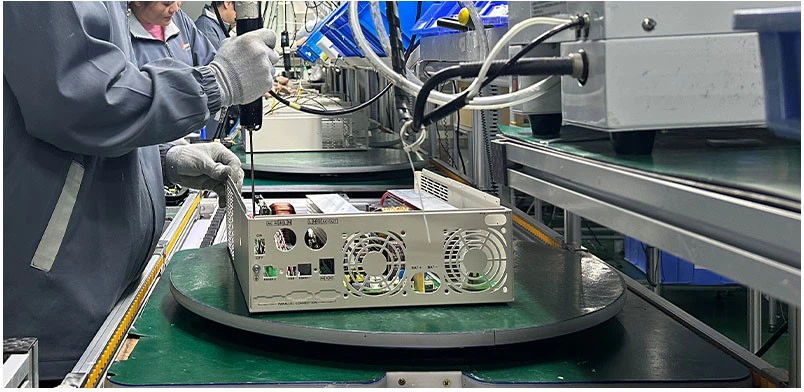
Driver Circuitry: Driver circuits are designed to control the switching of the power semiconductor devices. They convert the control signals from the microcontroller or digital signal processor (DSP) into appropriate voltages and currents to drive the gates of IGBTs or MOSFETs. These circuits must be carefully engineered to provide fast and accurate switching, ensuring minimal power losses during transitions. Isolation components like optocouplers or magnetic isolators are often incorporated to protect the control side from high-voltage spikes on the power side.
Microcontroller and DSP Programming: The heart of the inverter's control system lies in the microcontroller or DSP. Engineers program these devices to manage various functions, such as pulse-width modulation (PWM) generation, voltage and current regulation, and fault detection. PWM is used to control the output voltage waveform by modulating the width of the pulses. The programming also includes algorithms for optimizing efficiency, adapting to different load conditions, and protecting the inverter from overvoltage, undervoltage, and overload situations.
Heat Sink Installation: Given the heat generated by the power semiconductor devices during operation, efficient heat sinks are installed. These heat sinks are typically made of aluminum or copper, with finned designs to increase the surface area for heat dissipation. Thermal interface materials, such as thermal grease or pads, are used to ensure good thermal contact between the components and the heat sink. The heat sink is then mechanically fastened to the PCB or the inverter chassis, and proper ventilation or cooling fans may be added to enhance the heat removal process.

|
Model |
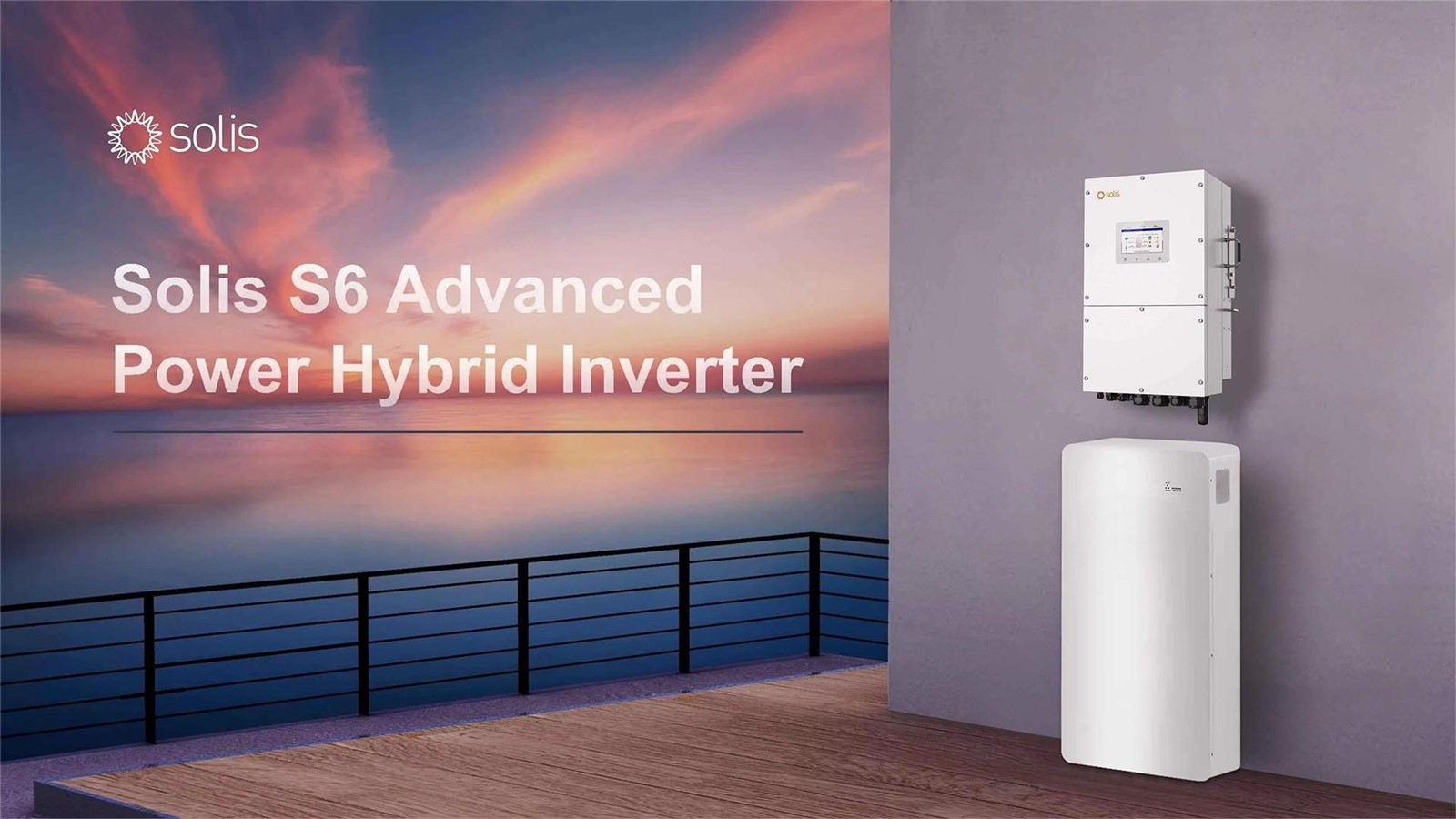
S6-EH3P10K02-NV-YD-L |
Battery type |
Lead acid or lithium battery |
|
Mains mode |
Max. charge current | 220A | |
|
Nominal input voltage |
380/400V |
Charge voltage range |
40 –60Vdc |
|
Frequency |
50Hz/60Hz (Auto detection) |
Solar charge |
|
|
Max. efficiency |
97.6% |
PV operate voltage range |
200Vdc~800Vdc |
|
Inverter mode |
MPPT voltage range | 200Vdc~800Vdc | |
|
Output voltage waveform |
Pure sine wave |
Max. PV input power/current |
16000W/40A |
|
Nominal output power(VA)/(W) |
10000W |
Charge current range |
220A |
|
Nominal output voltage (Vac) |
380/400V |
Certification |
|
|
Peak power |
20000VA |
EMC certification level |
NRS 097-2-1, IEC 62116, IEC 61727, IEC 60068, IEC 61683, EN 50530, SriLanka, EN 50438L, Vietnam, PEA\MEA, IEC/EN 62109-1/-2, IEC/EN 61000-6-1/-3 |
|
Protection |
IP66 |
Operate temperature range |
-40 to +60℃ |
|
Battery voltage range |
40.0Vdc~60Vdc |
communicate |
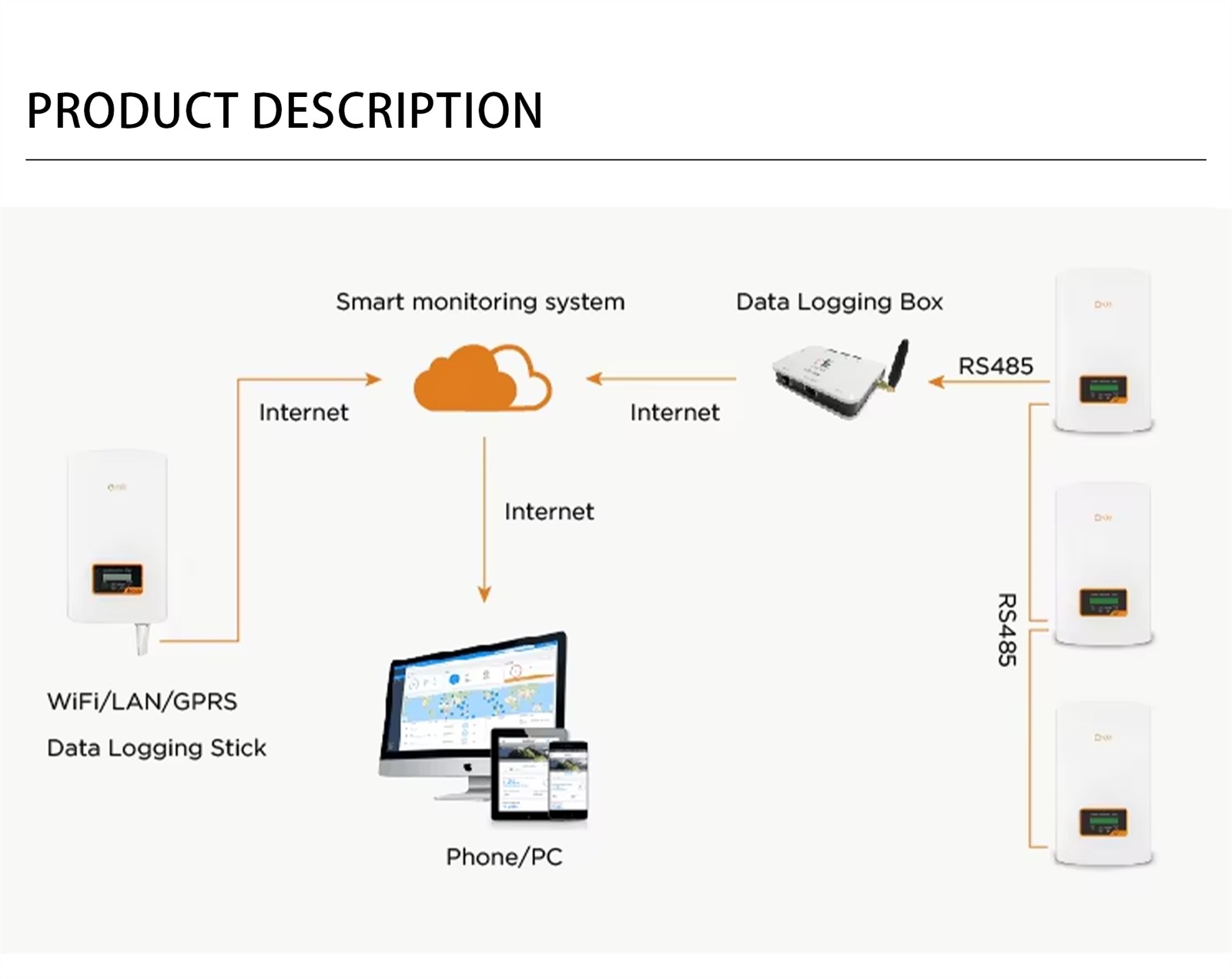
RS485/CAN |
|
Mains charge |
Humidity range | 5% to 95%(Conformal coating protection) | |


IP66 VS IP65
Dustproofcapability: Dustproof capability:
Completely dust-proof, no particles enter Completely dust-proof, no particles enter
Waterproofcapability: Waterproofcapability:
Protect against strong water column impact, twice Protect against low pressure water column impact
the water proof capacity of IPx5
Absolute advantage:
Dust-proof , IP66 can withstand strong currents, use is wider inthe environment of strong
convective weather like typhoon, rainstorm frequent have stronger adapt ability