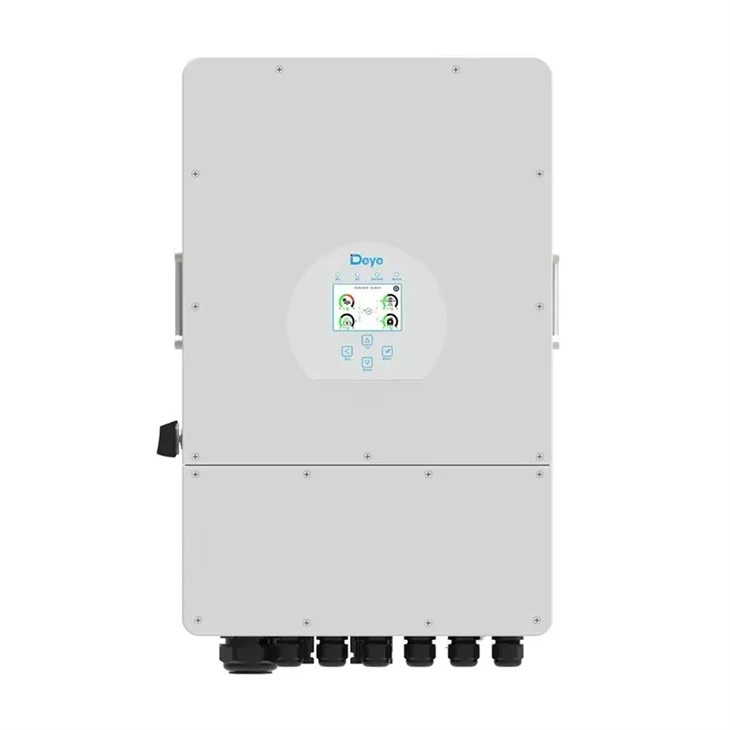
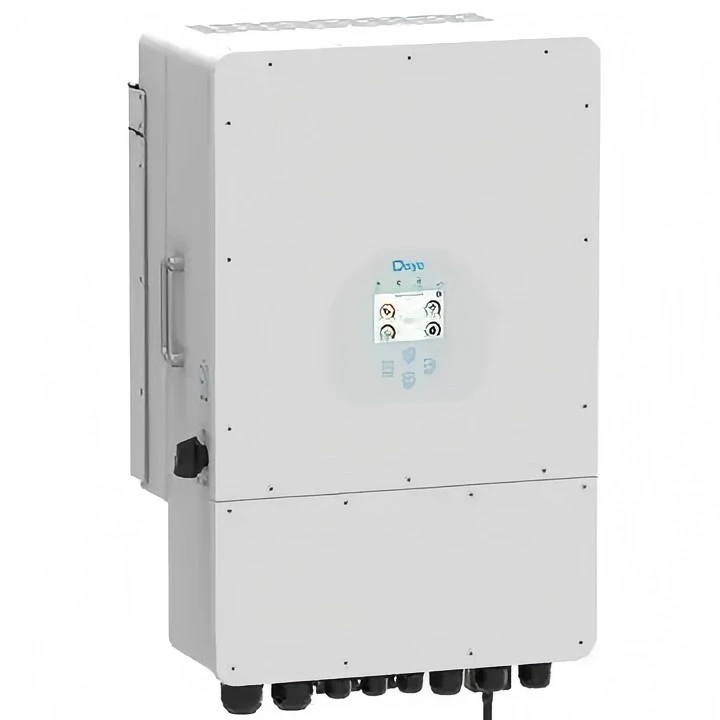
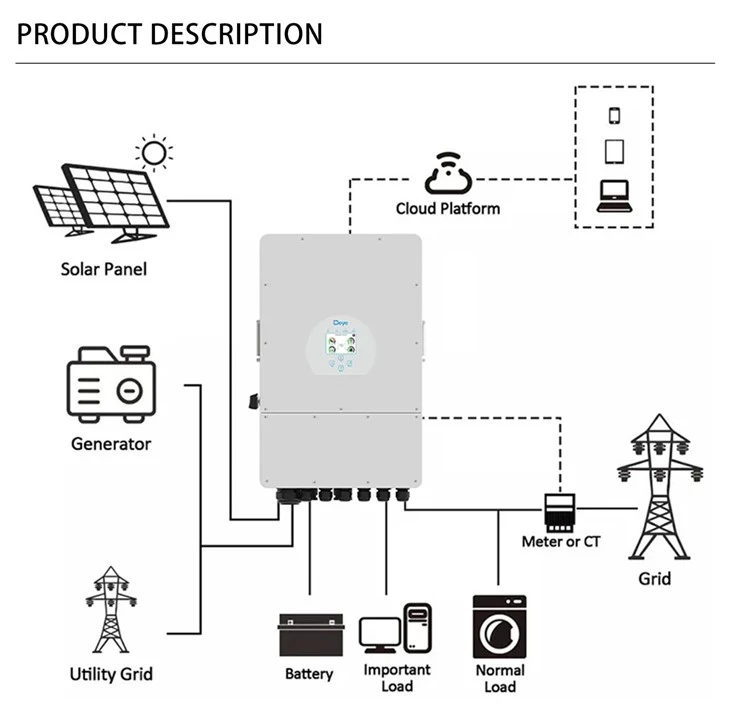
It incorporates advanced energy storage integration capabilities. It can communicate with different types of energy storage systems, such as lithium-ion batteries, lead-acid batteries, or supercapacitors, to manage the charging and discharging processes effectively. By coordinating with the storage devices, it maximizes the utilization of stored energy and extends the overall runtime of the power system. In a microgrid application, it works in tandem with community-scale energy storage to balance power generation and consumption, providing stability and resilience to the local power network.
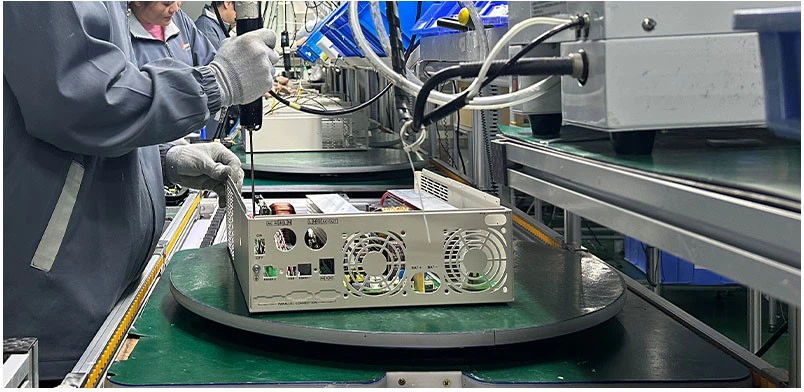
Augmented Reality (AR) and Virtual Reality (VR) in Production and Training: AR and VR technologies are finding applications in inverter production and training. In production, workers can use AR glasses to view real-time instructions and assembly guides superimposed on the actual workpieces, improving accuracy and speed. In training, VR environments can simulate complex inverter operation scenarios, allowing trainees to practice fault diagnosis and troubleshooting without the risk of damaging actual equipment. These immersive technologies enhance productivity and learning outcomes.
Our factory has a policy of continuous employee feedback. Regular surveys are conducted to gather opinions and suggestions from workers about the production process, working conditions, and management. The feedback is used to make improvements and address concerns promptly, fostering a positive and collaborative work environment.

| Model |
SUN-10K
|
|
Battery
|
Lead-acid / Li-lon
|
|
Battery Voltage
|
40~60V
|
|
DC Input Power
|
13000W
|
|
MPPT
|
200-650V
|
|
PV Input Current
|
26+13
|
|
AC Output Power
|
10000W
|
|
Frequency and Voltage
|
50/60Hz; 230/400V
|
|
Efficiency
|
>97% |
|
Grid Regulation
|
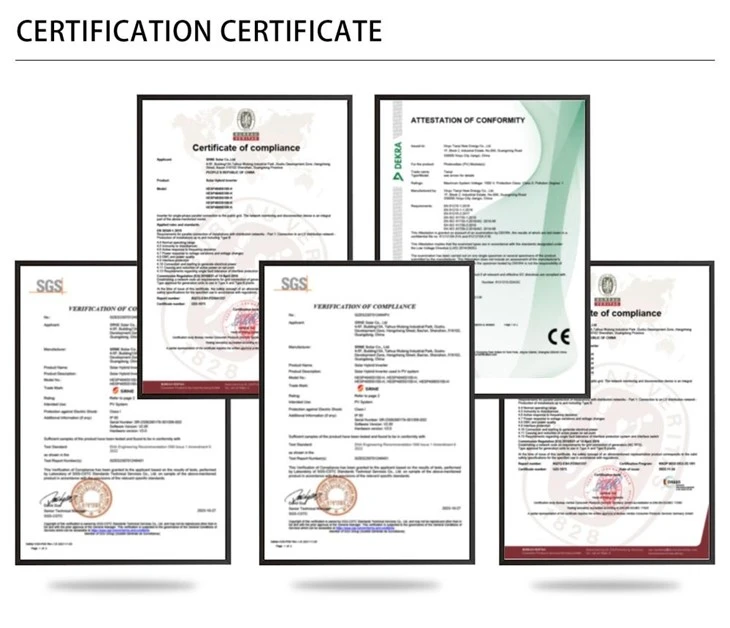
CEI 0-21, VDE-AR-N 4105, NRS 097, IEC 62116, IEC 61727, G99, G98,
VDE 0126-1-1, RD 1699, C10-11
|
|
Communication
|
RS485; CAN
|
|
Protection
|
IP65
|