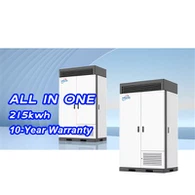
It is a power reserve unit with adaptive charging technology. It's like having a personal power butler that constantly monitors the battery's temperature, state of health, and incoming power quality. Based on this real-time data, it can automatically adjust the charging rate. If the battery is getting too hot, it slows down the charging to prevent damage. If the incoming power is of poor quality, it takes corrective measures to safeguard the battery. This intelligent approach not only prolongs the battery life but also optimizes the overall power storage efficiency. It's a technological marvel that takes the hassle out of power management.
It incorporates a flexible battery technology, suitable for wearable and portable applications. The production process uses a printable battery ink that contains active materials, binders, and conductive additives. This ink is printed onto a flexible substrate using a screen printing or inkjet printing method. The resulting battery can be bent, folded, or twisted without significant loss of performance. The encapsulation is done using a thin, flexible polymer film that protects the battery while maintaining its flexibility. The flexible design opens up new possibilities for integrating batteries into clothing, electronics accessories, and other unconventional applications.
It is found in renewable energy farms. Solar and wind farms use it to store excess energy generated during peak production periods. This stored energy can be dispatched to the grid during low production or high demand times, smoothing out the intermittent nature of renewable energy sources. It helps make renewable energy more reliable and competitive, contributing to the transition to a sustainable energy future.
|
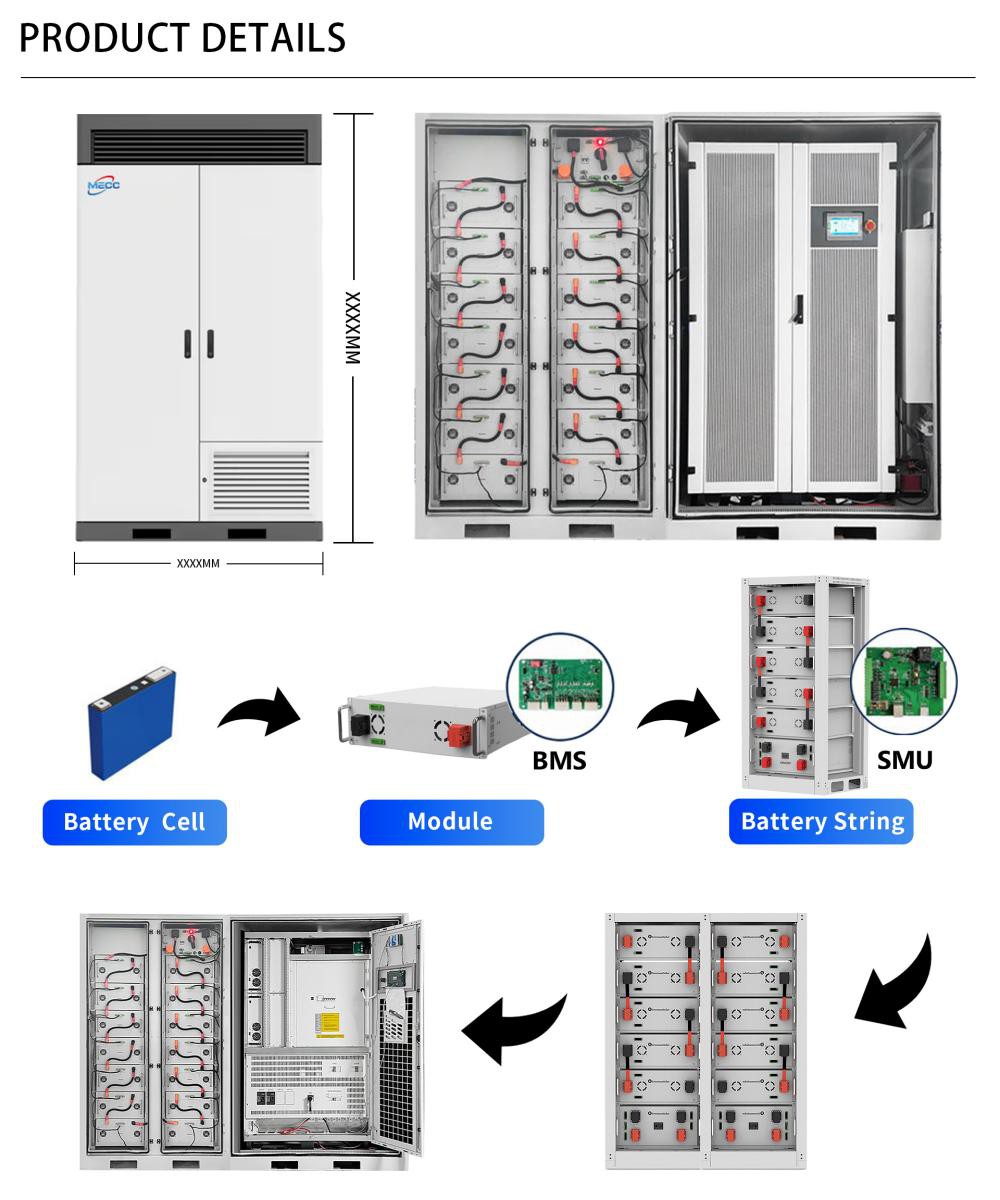
BATTERY CELL |
|||
|
RATED VOLTAGE |
3.2V |
||
|
CAPACITY |
280AH |
||
|
BATTERY SYSTEM 1P224S |
|||
|
RATED VOLTAGE |
716.8V |
||
|
NOMINAL CAPACITY |
280AH |
||
|
RATED CURRENT |
140A |
||
|
BATTERY POWER |
215KWH |
||
|
MAX EFFICIENCY |
≥95% |
||
|
COOLING |
FORCED AIR |
||
|
WORKING TEMPERATURE |
-20°C-60°C |
||
|
PROTECTION DEGREE |
IP54 |
||
|
CERTIFICATES |
CE, UN38.3,UL,ROHS, EMC, REACH |
||



FAQ
How often should I perform a full discharge and recharge cycle?
It's recommended to perform a full discharge and recharge cycle every 3 to 6 months. This helps calibrate the device's internal management system and maintain the overall performance of the battery. However, in normal daily use, partial charge and discharge cycles are sufficient. Performing a full cycle too frequently can actually put unnecessary stress on the battery and reduce its lifespan. So, unless you notice a significant drop in performance or the device indicates that a full cycle is needed, it's best to stick to the normal usage pattern. But every few months, giving it a full cycle can help keep it in optimal condition.
Hot Tags: 280ah energy container industrial, China 280ah energy container industrial manufacturers, suppliers, solar thermal storage system, off grid power storage systems, alternative energy storage systems, grid scale battery energy storage system, Lithium Ion Battery Pack System, Storage Lithium Battery System