


Products Description
Inverter Output Voltage Selector
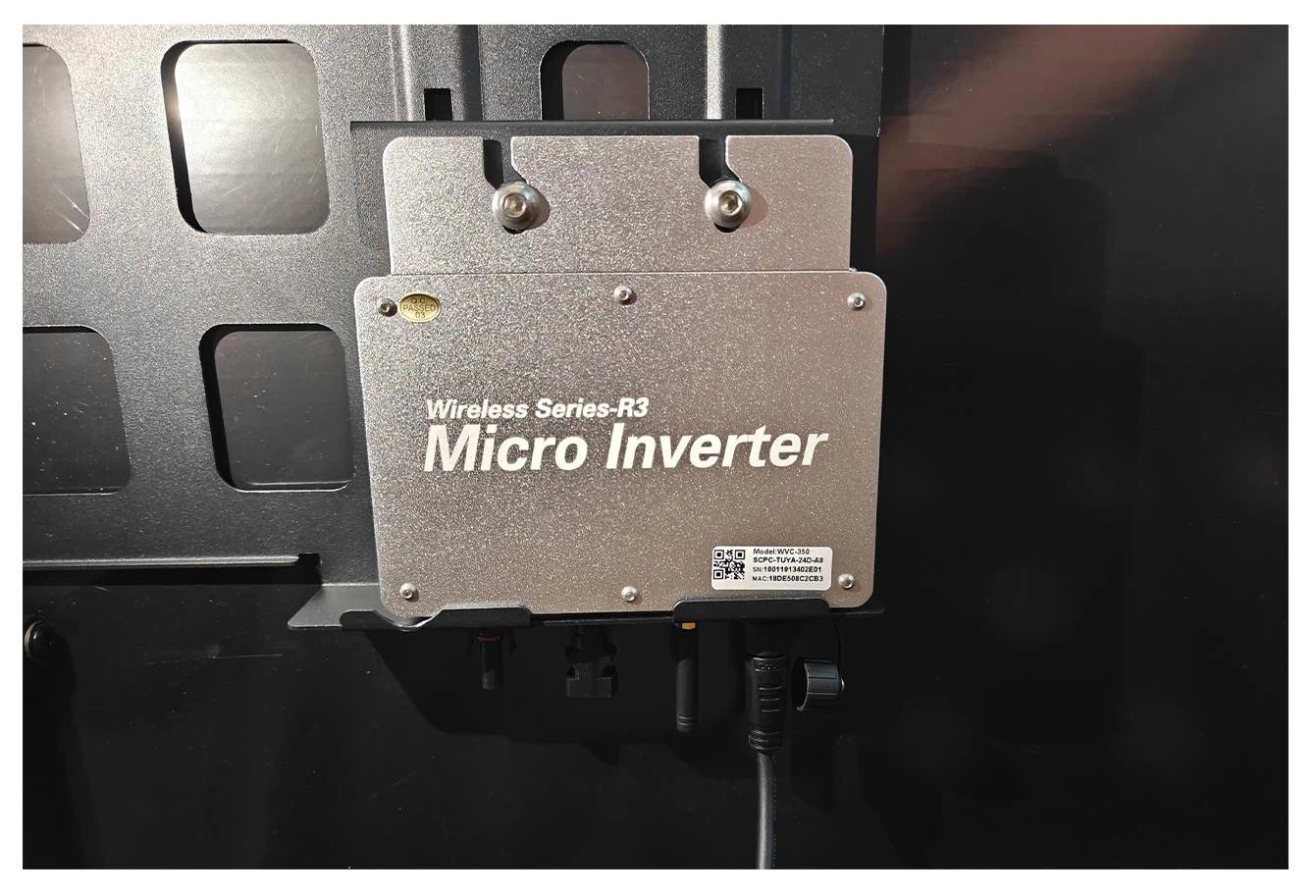
The inverter output voltage selector allows users to choose the appropriate AC output voltage for their specific needs. It can usually be set to match the standard voltage of the local electrical grid, such as 110V or 220V. This flexibility makes the system compatible with a wide range of household appliances and electrical equipment. The voltage selector is an important feature that ensures the proper operation and connection of the inverter to the household electrical system.
Battery Capacity Indicator (if applicable)
A battery capacity indicator, if present, gives users a clear indication of the remaining capacity of the battery. It can be a simple gauge or a digital display that shows the percentage of battery charge remaining. This information is useful for planning energy usage and determining when the battery needs to be recharged. By knowing the battery capacity, homeowners can make informed decisions about running appliances or other electrical devices, especially during periods when sunlight is limited or the grid is unavailable.
Inverter Overload and Short-Circuit Protection Design
The inverter is designed with overload and short-circuit protection mechanisms. These include fast-acting fuses, current-limiting circuits, and intelligent control algorithms. When an overload or short-circuit is detected, the protection circuitry quickly intervenes to prevent damage to the inverter's components. The design is tested under various fault conditions to ensure its reliability and effectiveness in safeguarding the inverter and the connected electrical system.





|
Model
|
EVT400
|
|
Input
|
|
|
Input Power Range
|
180-550W
|
|
Operating Range
|
16-60V
|
|
Input Current
|
14A |
|
Output Data
|
|
|
Normal Voltage
|
220/230V
|
|
Frequency
|
50/60Hz
|
|
Power
|
400W |
| Others | |
|
Efficiency
|
96.8%
|
|
Communication
|
PLCC
|
|
Warranty
|
15 years |
|
IP
|
IP67
|
|
Temperature
|
- 40 to 65℃
|
|
Weight
|
1.8kg
|















Factory
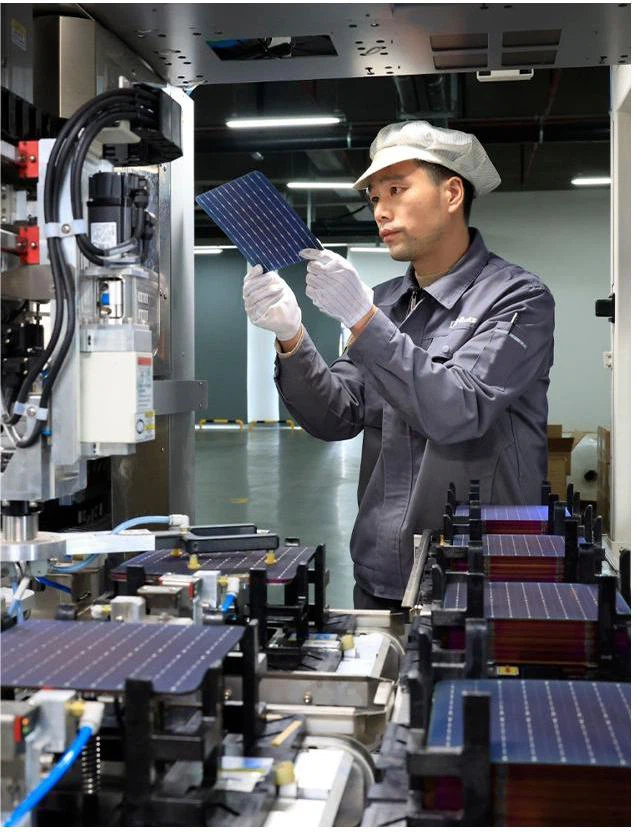
Production Scheduling and Resource Allocation
Our production scheduling and resource allocation processes are highly optimized. We use advanced production planning software that takes into account factors such as order quantities, delivery deadlines, and available resources. This software generates detailed production schedules that ensure efficient utilization of production lines, labor, and raw materials. We also have a dynamic resource allocation mechanism that can quickly adjust to changes in production requirements, such as unexpected increases in order volumes or supply chain disruptions, ensuring uninterrupted production and timely delivery.
FAQ
What are the advantages of a battery storage system?
A battery storage system allows you to store excess solar energy for use when the sun is not shining, such as at night or during cloudy days. It provides backup power during grid outages, increasing the self-sufficiency of your home. It also helps to optimize the use of solar energy, reducing the amount of power drawn from the grid and potentially saving on electricity bills.
Can I sell the excess power generated?
In some areas, homeowners with grid-tie balcony pv systems can sell the excess power they generate back to the grid. The specific regulations and compensation rates vary by location. Some utility companies have net metering programs that credit homeowners for the exported power, which can be used to offset their electricity bills or, in some cases, receive monetary compensation.
Hot Tags: micro balcony solar system 410w, China micro balcony solar system 410w manufacturers, suppliers


