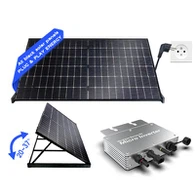
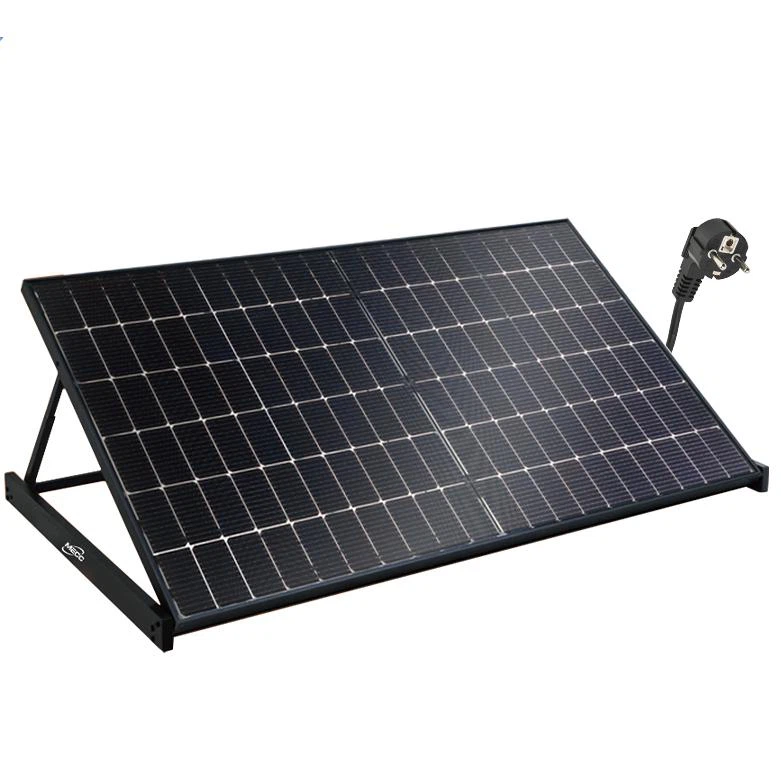
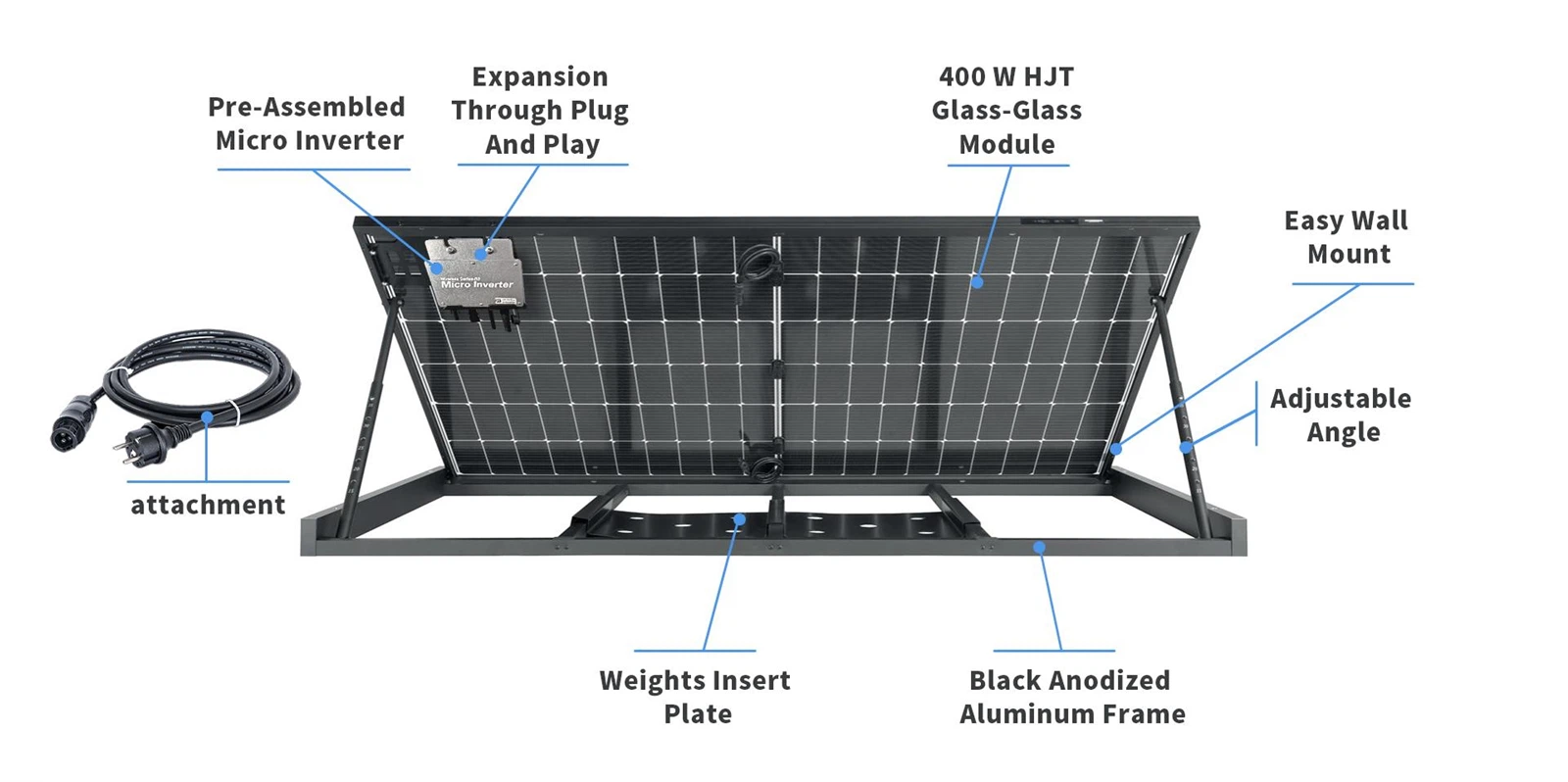
Products Description
Charge Controller
The charge controller regulates the flow of electricity from the solar panels to the battery (if present). It prevents overcharging and over-discharging of the battery, protecting it from damage and extending its service life. Advanced charge controllers use maximum power point tracking (MPPT) technology, which continuously optimizes the power output of the solar panels by adjusting the voltage and current, maximizing the energy harvest and improving the overall efficiency of the system, especially in varying sunlight conditions.
Cables and Connectors
High-quality cables and connectors are used to establish reliable electrical connections between the solar panels, inverter, battery (if applicable), and other components of the system. The cables are designed to have low resistance, minimizing power losses during transmission. They are also insulated and protected to withstand outdoor environments, preventing electrical leakage and short circuits. The connectors are easy to install and provide a secure and stable connection, ensuring the smooth operation of the entire photovoltaic system.
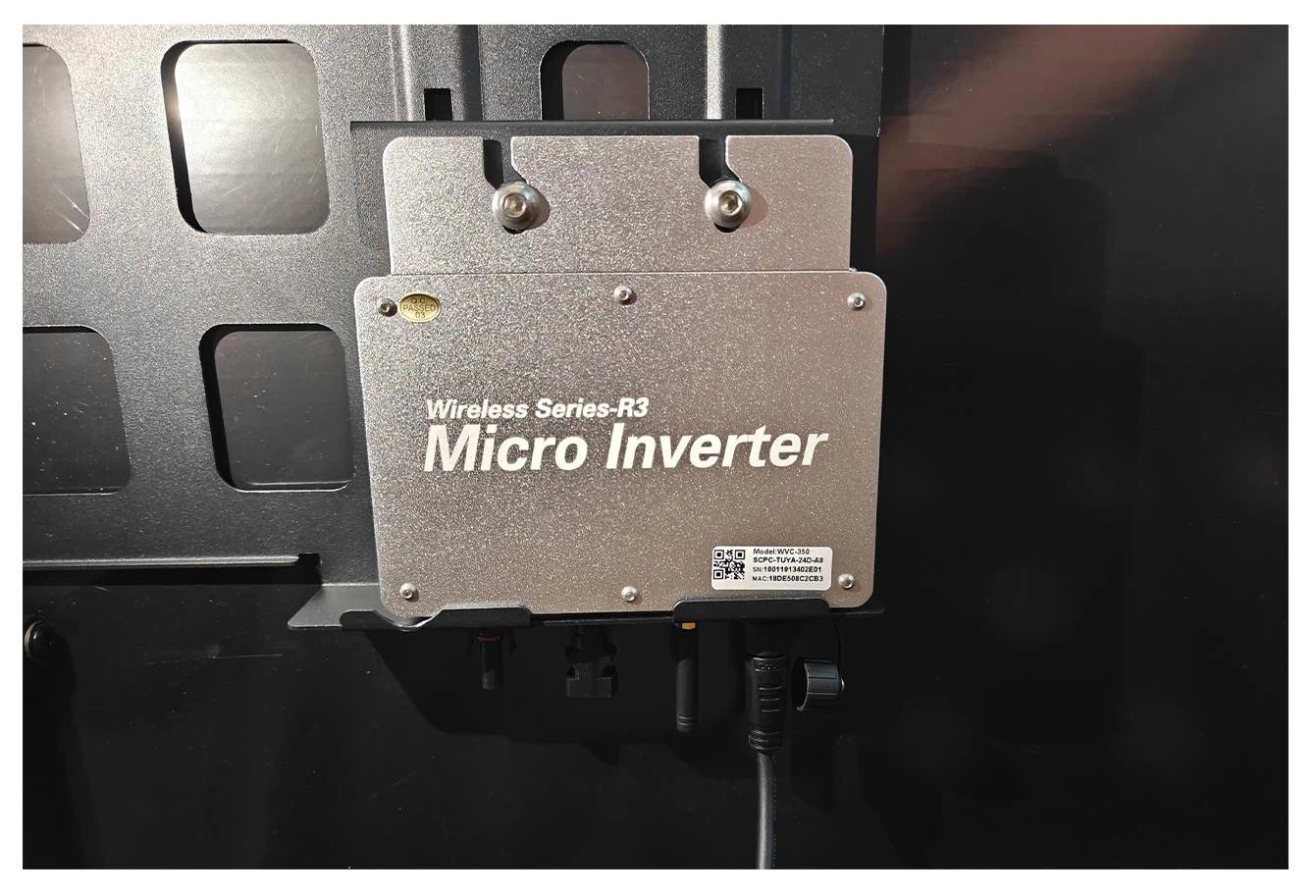
Inverter Power Electronics Design
The inverter's power electronics design is a key aspect of its functionality. It utilizes high-performance transistors, such as insulated gate bipolar transistors (IGBTs), to switch the DC power from the solar panels into AC power. Advanced control algorithms are implemented to ensure precise and efficient power conversion. The design also focuses on minimizing power losses during the conversion process through optimized circuit layouts and the use of high-quality magnetic components like transformers and inductors.





|
Model
|
EVT400
|
|
Input
|
|
|
Input Power Range
|
180-550W
|
|
Operating Range
|
16-60V
|
|
Input Current
|
14A |
|
Output Data
|
|
|
Normal Voltage
|
220/230V
|
|
Frequency
|
50/60Hz
|
|
Power
|
400W |
| Others | |
|
Efficiency
|
96.8%
|
|
Communication
|
PLCC
|
|
Warranty
|
15 years |
|
IP
|
IP67
|
|
Temperature
|
- 40 to 65℃
|
|
Weight
|
1.8kg
|








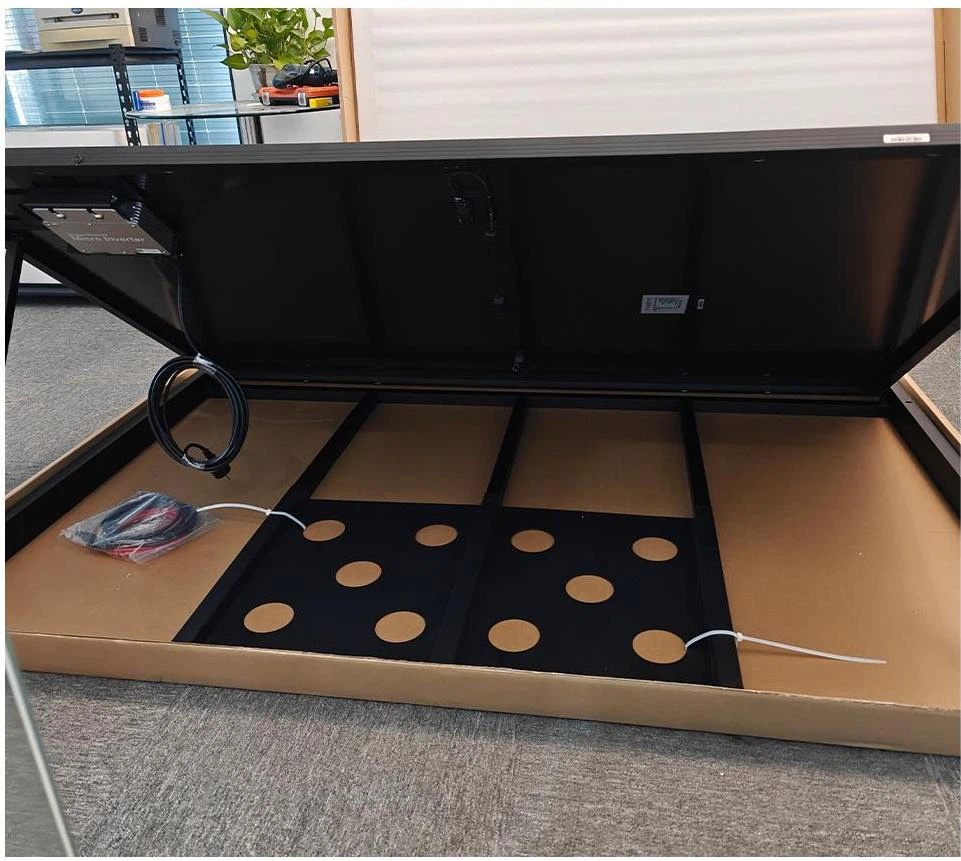
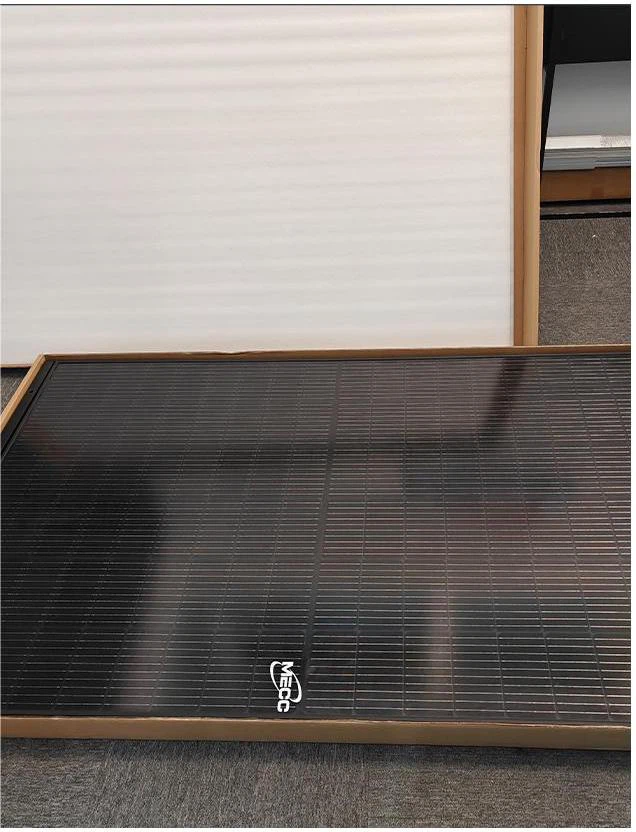

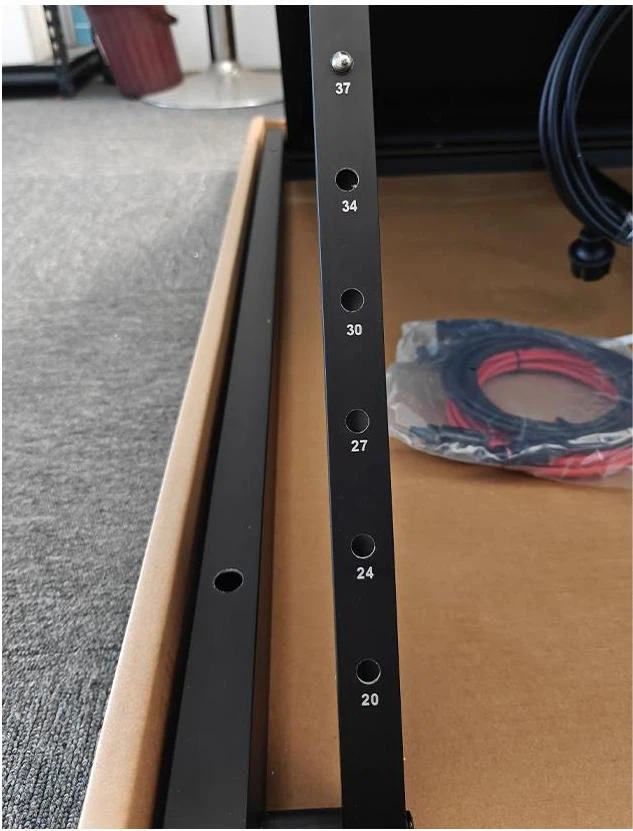


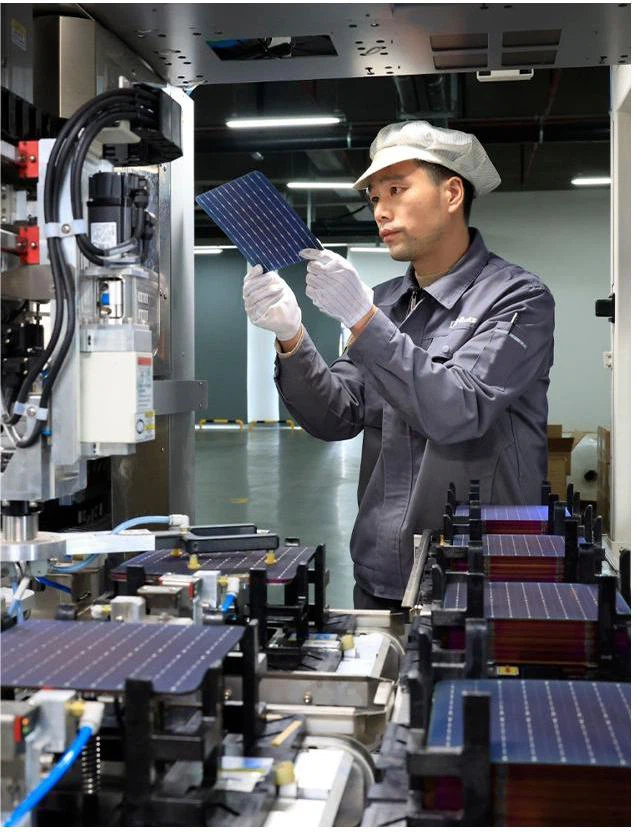


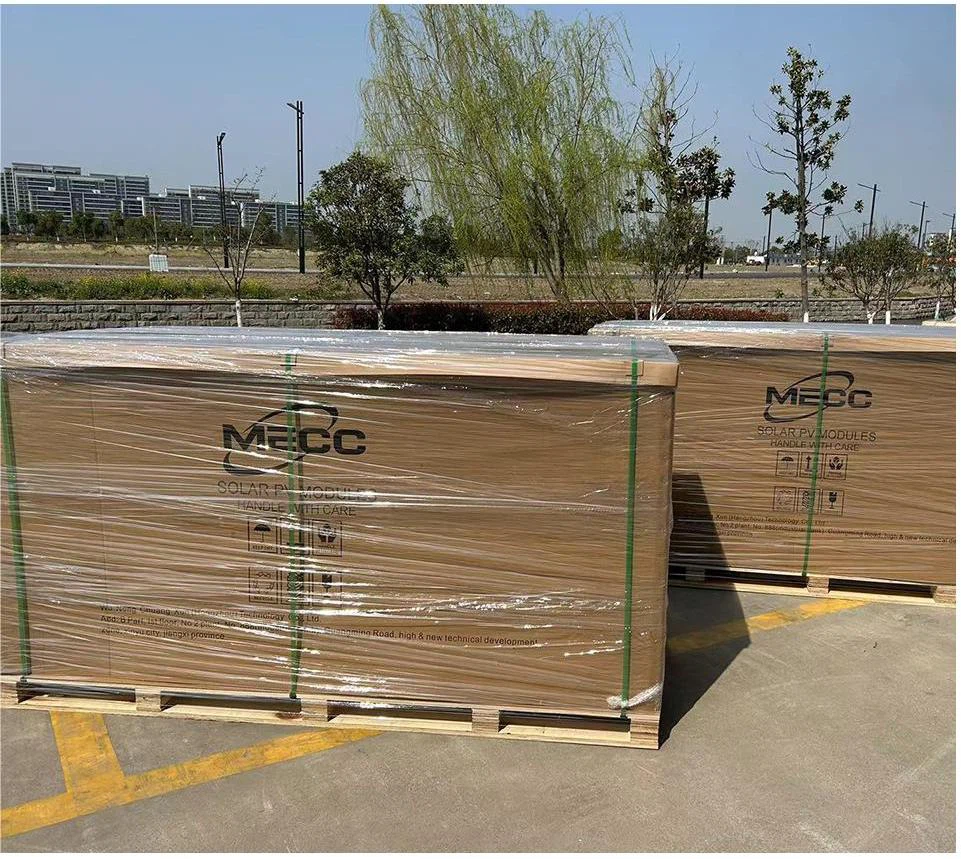


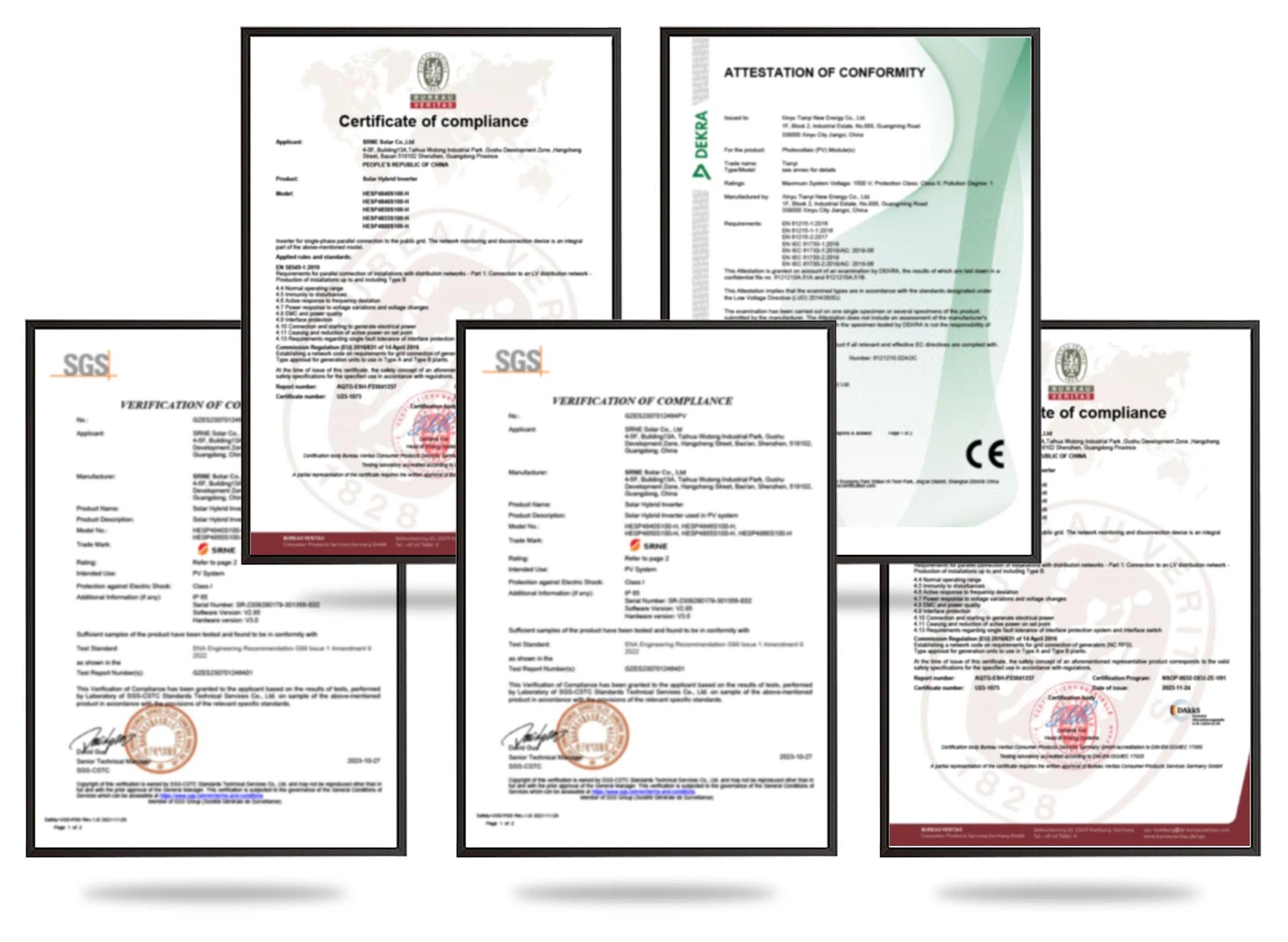
Factory
Technology and R&D Investment
We allocate a significant portion of our resources to technology research and development. Our in-house R&D team consists of highly qualified engineers and scientists who are dedicated to exploring cutting-edge photovoltaic technologies. They collaborate with leading research institutions and industry partners to stay at the forefront of innovation. Recent R&D efforts have focused on developing ultra-thin and flexible solar panels that can be seamlessly integrated into various designs. Additionally, we are investing in next-generation micro-inverter technologies with enhanced power density and improved grid-tie capabilities, aiming to boost the overall efficiency and reliability of our systems.
FAQ
What types of solar panels are suitable?
Monocrystalline panels are known for their high efficiency and sleek appearance but are relatively more expensive. Polycrystalline panels are more cost-effective and still offer decent efficiency. Thin-film panels are lightweight and flexible, which can be a good choice for some setups. The selection depends on factors like budget, available space, desired efficiency, and aesthetic preferences.
How much does it cost?
The cost of a system varies. A basic system without battery storage can start from around $800, including solar panels and a micro-inverter. Systems with larger capacities, better quality components, or battery storage can cost upwards of $3000. The price depends on the brand, quality of components, system size, and installation complexity. Additionally, local incentives or subsidies can affect the overall cost.
Hot Tags: balcony 400w solar energy system, China balcony 400w solar energy system manufacturers, suppliers, 3 2V Battery Cell For Solar System, photovoltaic battery system, solar backup system, micro inverter, water cooled solar panels, wifi inverter