


Products Description
Inverter Frequency Stability
The inverter is designed to maintain a stable output frequency, usually matching the standard frequency of the local grid, such as 50Hz or 60Hz. Stable frequency is essential for the proper operation of many household appliances, especially those that rely on a specific frequency, such as motors and clocks. The inverter uses advanced control algorithms and frequency regulation techniques to ensure that its AC output frequency remains constant, even under varying load conditions or changes in the input power source.
Battery Discharge Rate Controller (if applicable)
A battery discharge rate controller is used to manage the rate at which the battery discharges. It prevents the battery from being discharged too quickly, which could damage the battery. By regulating the discharge current, it ensures that the battery is depleted at a safe and optimal rate, prolonging its lifespan and maintaining its performance. This is especially important as rapid discharging can lead to issues such as increased internal resistance, reduced capacity over time, and potential overheating. The controller continuously monitors the battery's state and adjusts the discharge rate according to pre-set parameters and the system's power demands.
Inverter Output Waveform Shaping
The inverter's output waveform is shaped to closely resemble a pure sine wave. This is achieved through a combination of pulse width modulation (PWM) techniques and filtering. The PWM controls the switching of the power transistors to create a stepped approximation of a sine wave, which is then filtered to smooth out the waveform. A pure sine wave output is essential for powering a wide range of household appliances without causing interference or damage.




|
Model
|
EVT800
|
|
Input
|
|
|
Input Power Range
|
180-550W*2
|
|
Operating Range
|
16-60V
|
|
Input Current
|
14A*2 |
|
Output Data
|
|
|
Normal Voltage
|
220/230V
|
|
Frequency
|
50/60Hz
|
|
Power
|
800W |
| Others | |
|
Efficiency
|
97%
|
|
Communication
|
PLCC
|
|
Warranty
|
15 years |
|
IP
|
IP67
|
|
Temperature
|
- 40 to 65℃
|
|
Weight
|
4.1kg
|








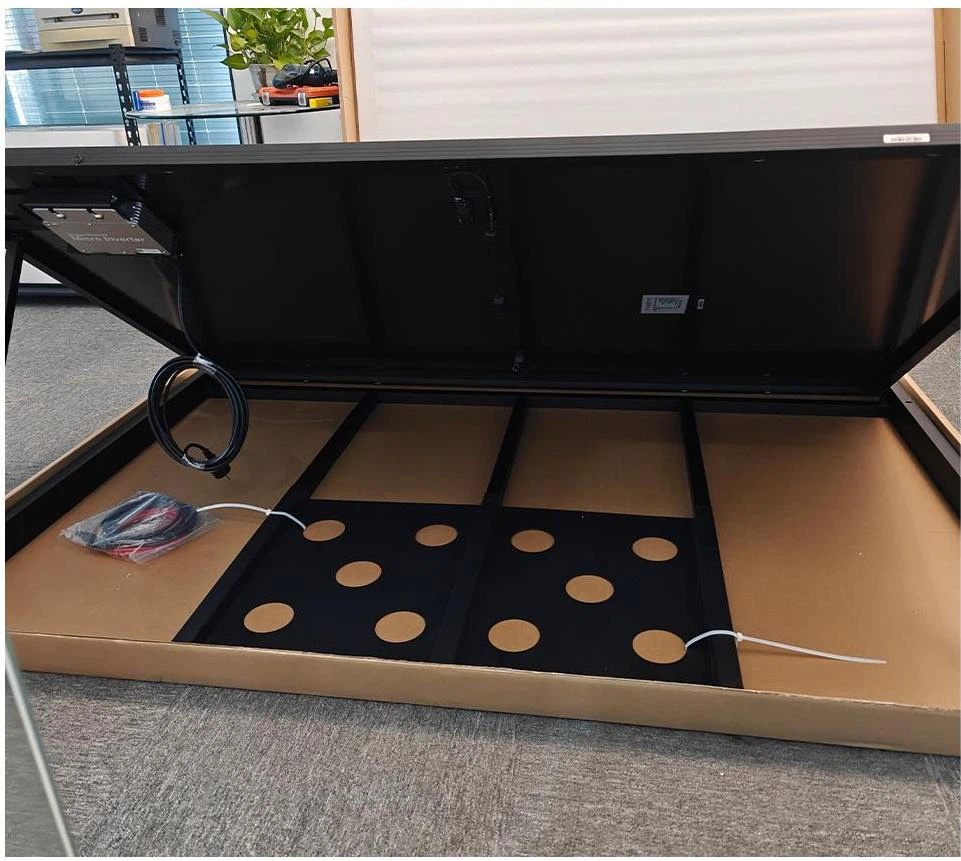
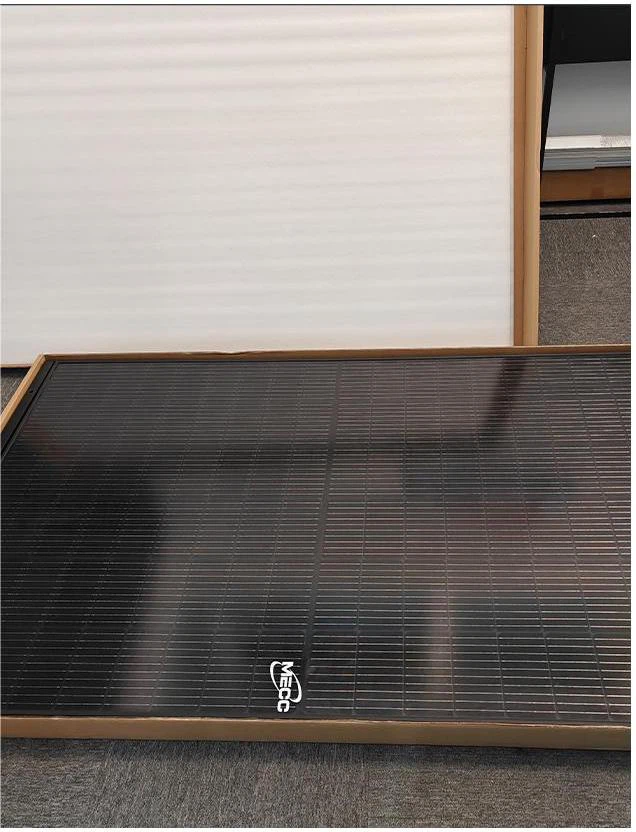

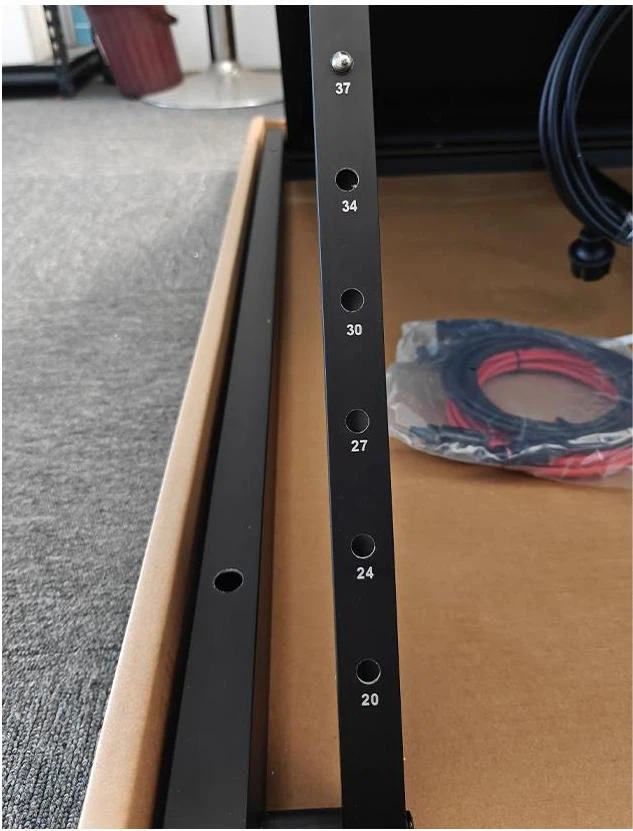


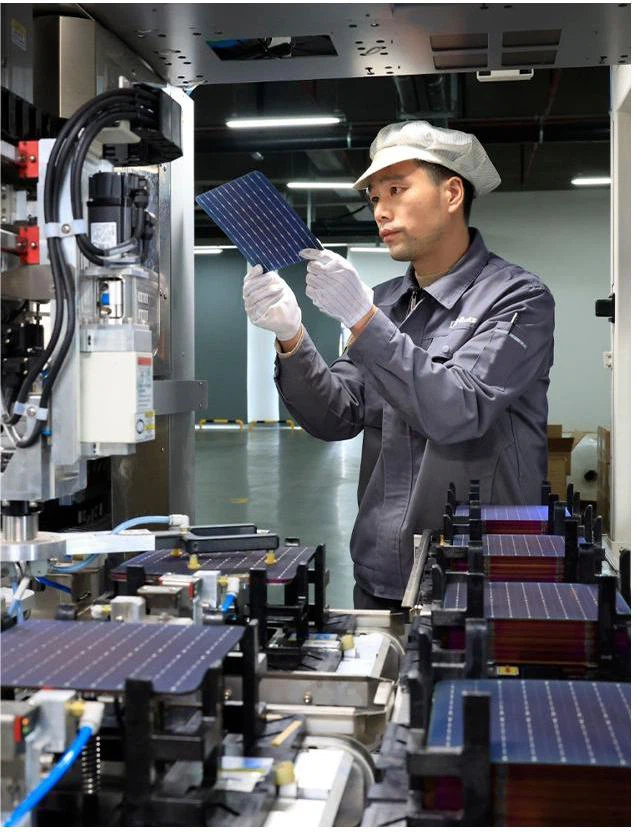




Factory
Packaging and Shipping Optimization
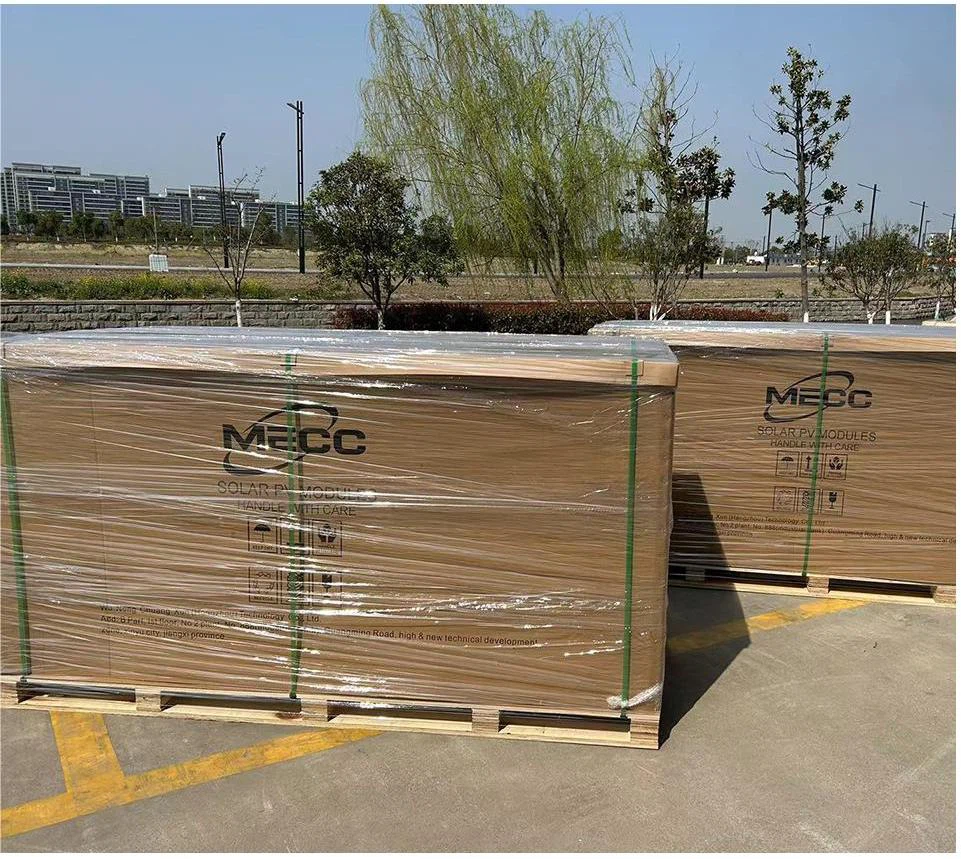
The packaging and shipping of our finished products are carefully optimized. We use custom-designed packaging materials that provide maximum protection during transportation while minimizing waste. Our packaging is engineered to be lightweight and compact, reducing shipping costs and environmental impact. We have established partnerships with leading logistics providers to ensure reliable and timely delivery of our products to customers worldwide. Our shipping processes are integrated with our production and inventory management systems, enabling seamless order fulfillment and tracking.
FAQ
Can I use the system in a cold climate?
Yes, it can be used in a cold climate. While extremely cold temperatures may have a slight impact on battery charging characteristics (if a battery is present), the solar panels themselves can still generate electricity. In fact, cold temperatures can sometimes improve the efficiency of the panels compared to hot temperatures, although the overall effect is relatively small.
What is the impact of bird droppings on the panels?
Bird droppings on the solar panels can act like a barrier, reducing the amount of sunlight that reaches the cells and thus decreasing power generation. They can also cause hot spots on the panels if not removed promptly, which may damage the panel over time. Regular cleaning and inspection of the panels can help prevent these issues and maintain the performance.
Hot Tags: 800w micro balcony solar system, China 800w micro balcony solar system manufacturers, suppliers


