


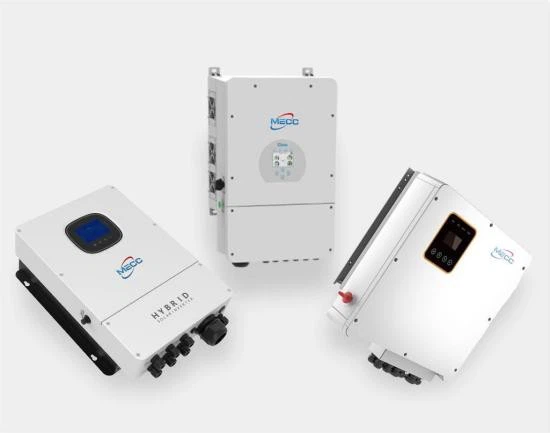

















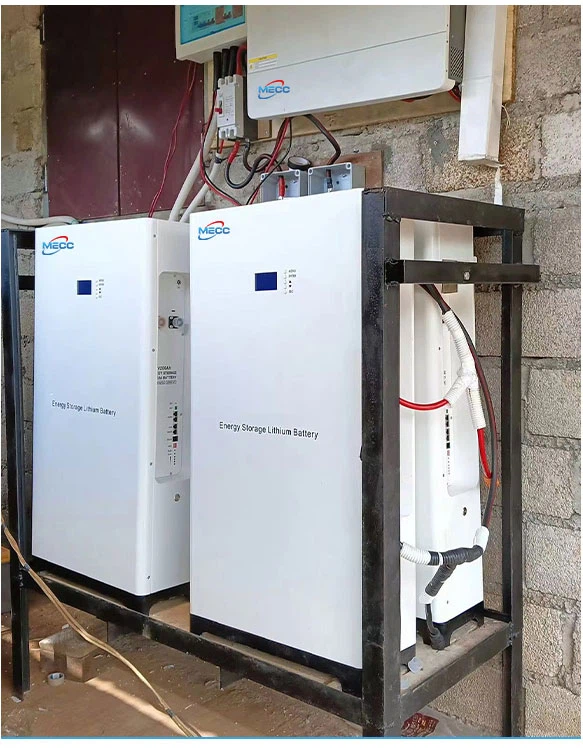

The goods in the ceramics firing industry are reducing firing times. Ceramics factories can use solar power during the day to run kilns, burners, and cooling systems. The backup generators or grid connection ensures that production doesn't halt due to power shortages. This combination...
The goods in the ceramics firing industry are reducing firing times. Ceramics factories can use solar power during the day to run kilns, burners, and cooling systems. The backup generators or grid connection ensures that production doesn't halt due to power shortages. This combination reduces energy costs, improves production efficiency, and helps the ceramics firing industry become more sustainable, meeting the growing demand for environmentally friendly products.
In the textile - quilting industry, these sets are enhancing the quilting process in terms of both quality and creativity. Sewing machines used for quilting are powered by solar energy, enabling more complex and detailed quilting patterns. The quilting frames, which hold the quilt layers in place, are also solar - powered. This provides a stable platform for the sewing machine to work on, resulting in a more professional - looking quilt. The lighting systems in the quilting area, powered by solar energy, can be adjusted to provide optimal illumination for the quilting process. The hybrid system, with its backup power source, ensures that the quilting operations can continue without any disruptions, allowing quilters to create high - quality and unique quilts.
At it, we are on a mission to make solar energy more resilient in areas with high - altitude and low - temperature conditions. We design and produce solar systems with special features to cope with these challenges. The production process includes using high - quality anti - reflective coatings that can maintain their performance in low - temperature environments, and robust mounting structures that can withstand high - altitude winds. Our solar panels are also designed to have a lower temperature coefficient, ensuring that they can still generate a significant amount of power even in cold conditions.
FAQ
What are the challenges of using solar energy in areas with strict building codes and regulations?
In areas with strict building codes, obtaining permission to install solar panels can be complex. The codes may have specific requirements for panel placement, structural integrity, and electrical safety. For example, the panels may need to be installed at a certain height or angle to comply with wind and snow load requirements. The electrical wiring must meet local electrical code standards, which can involve additional inspections and approvals. Additionally, the building's aesthetics may be a concern, and the panels may need to be integrated in a way that conforms to the overall architectural style. Working with experienced solar installers who are familiar with local codes and regulations is essential to navigate these challenges.
Hot Tags: solar battery system hybrid, China solar battery system hybrid manufacturers, suppliers
Previous
PV Systems HybridSend Inquiry


