




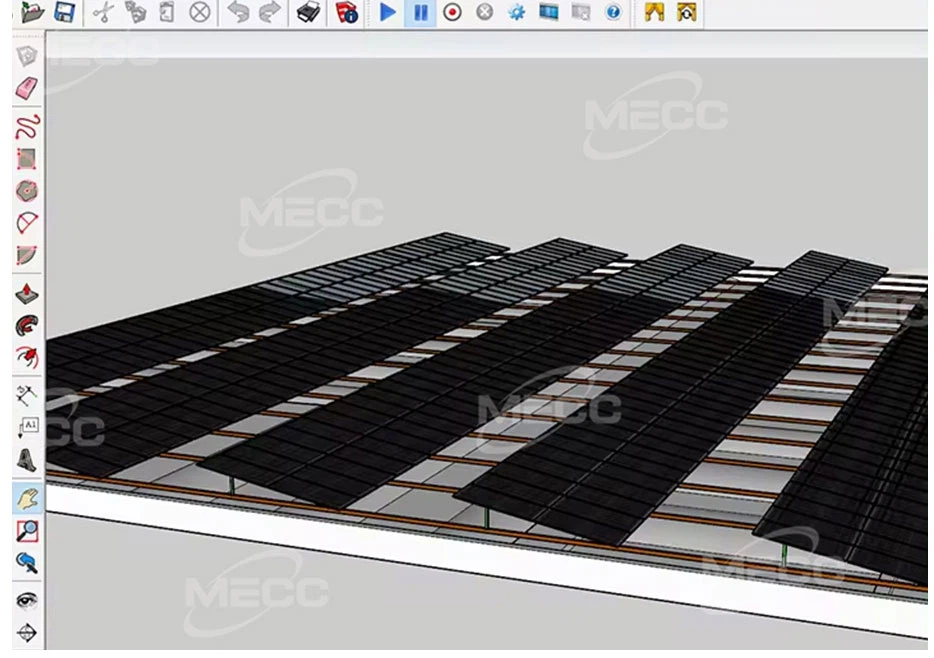


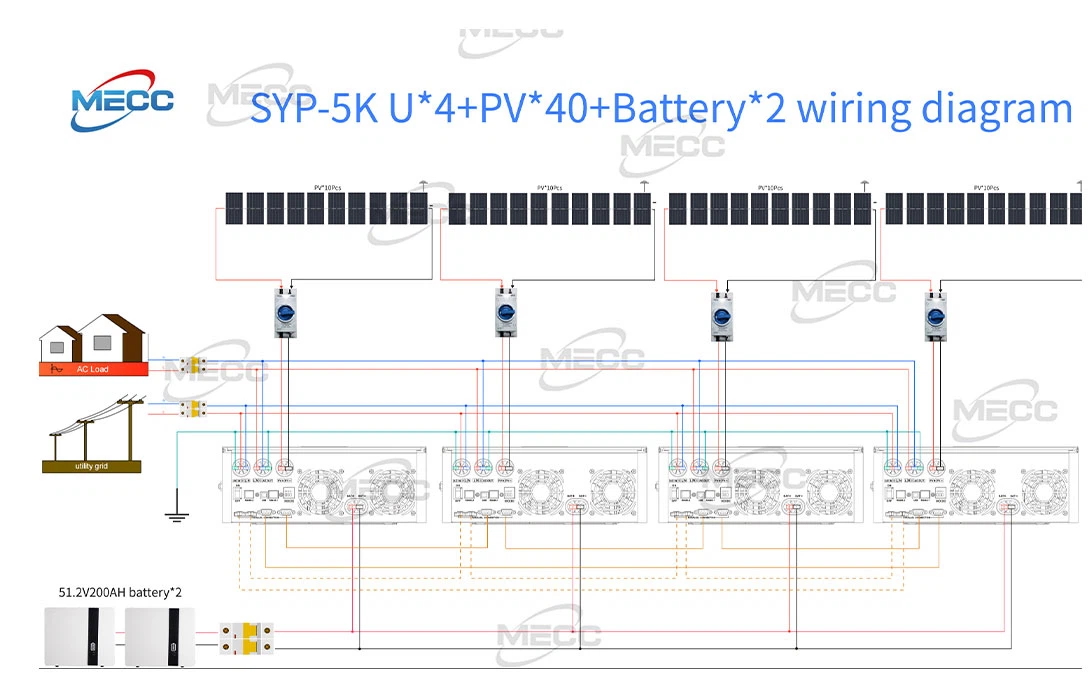









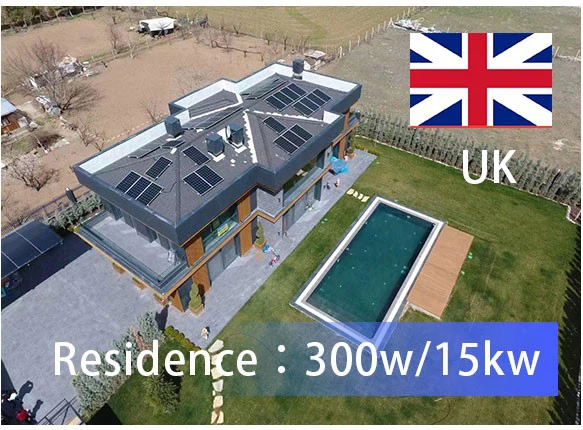


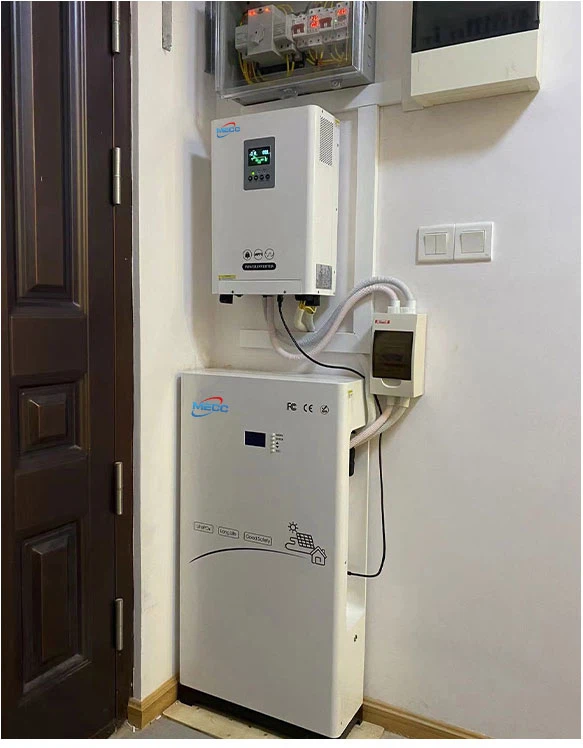
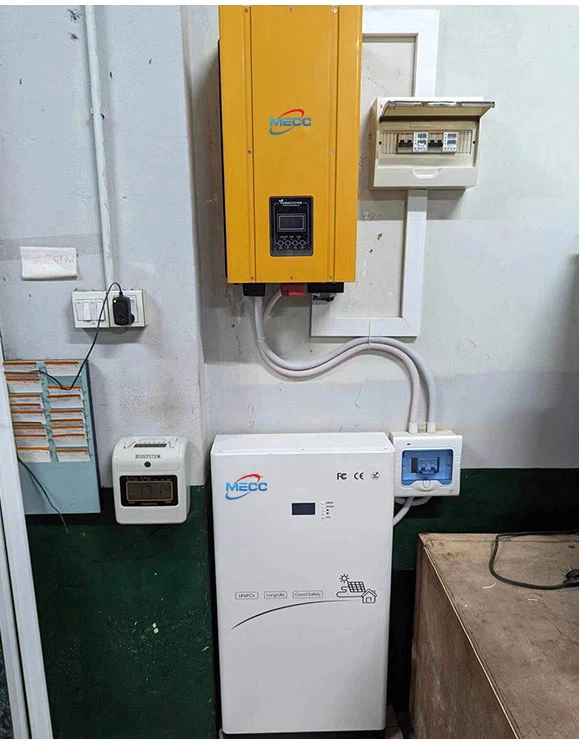
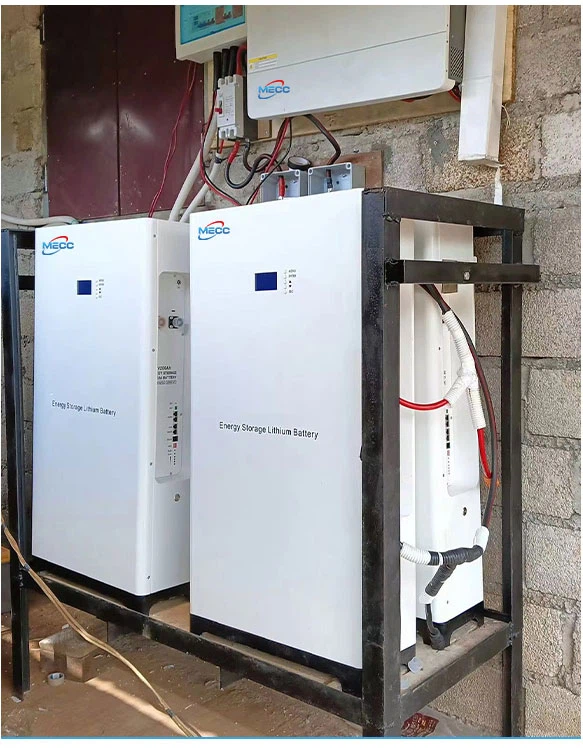

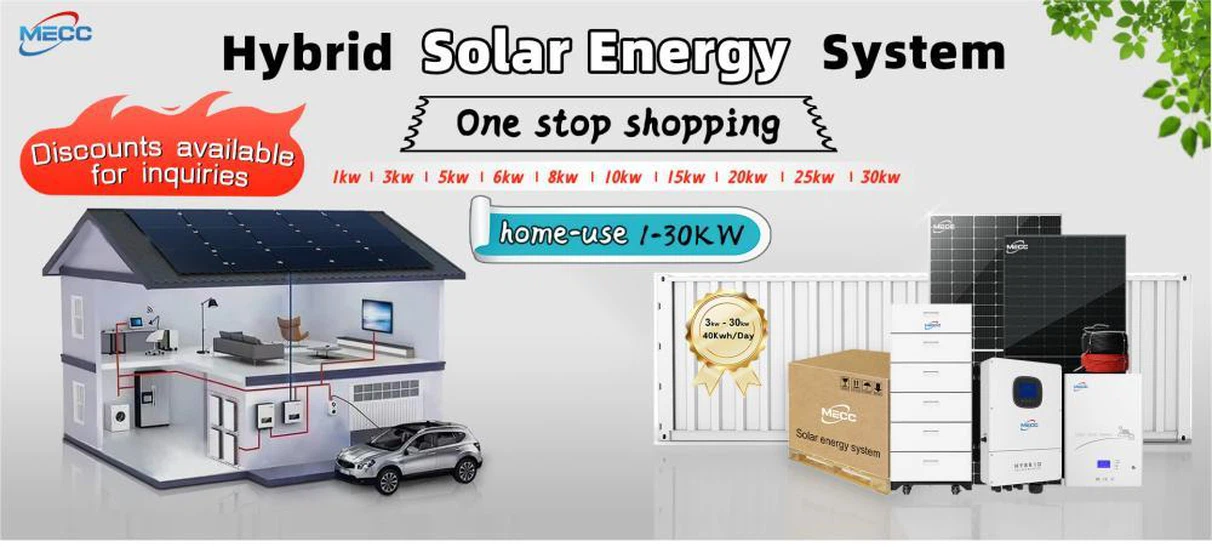
TOPCON N Type Bifacial Solar Panel:
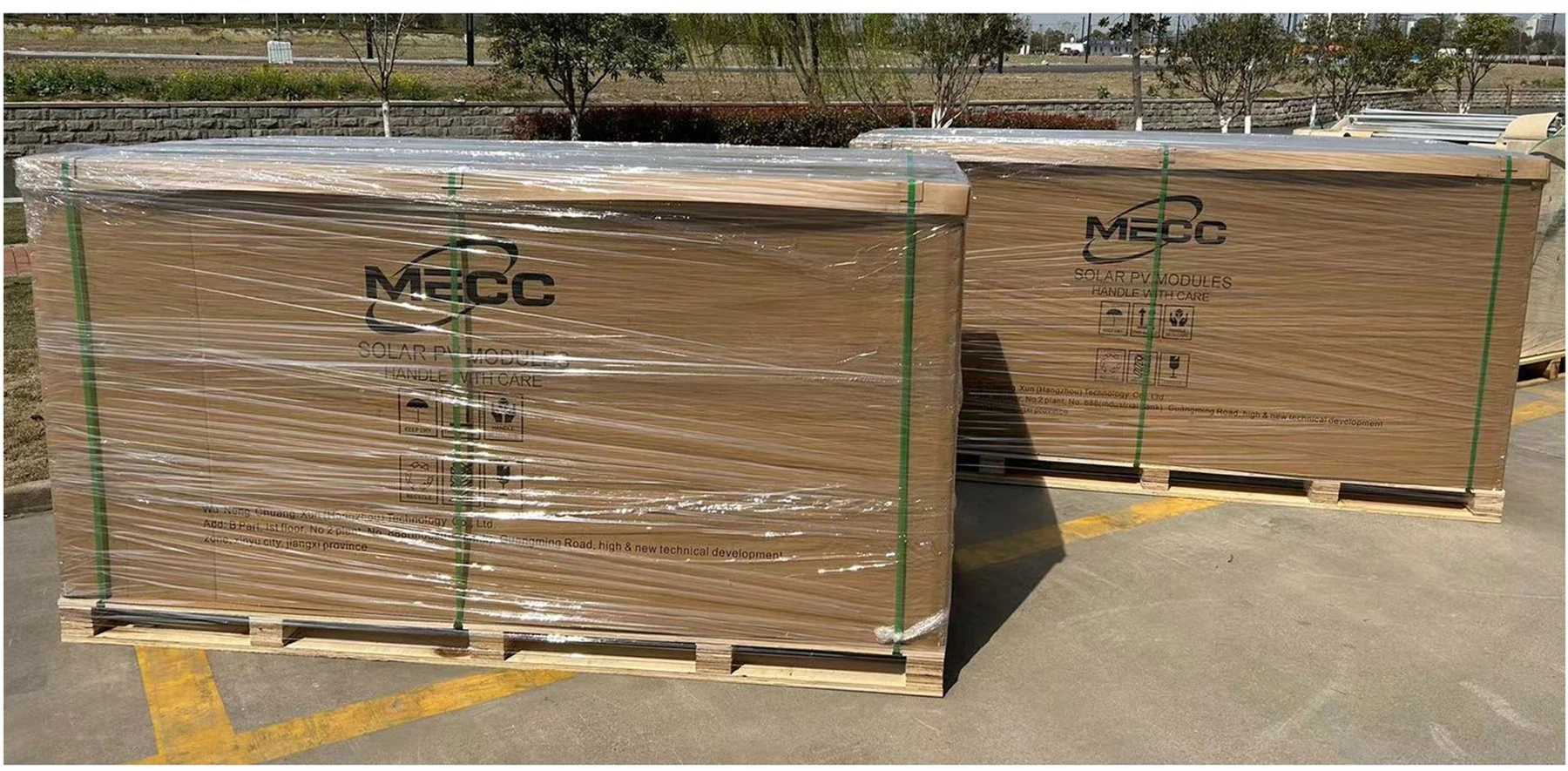
Power : 590 W-710W
Power tolerance : 0 to +5 W
Warranty : 30 years
CE/TUV/ISO/intertek
Inverter power : 3-30 kW
Output : Single phase 220/230V Split Phase 120/240V
IP21 Warranty : 2 years
IP65 Warranty : 5 years
CE/TUV/EN-50549
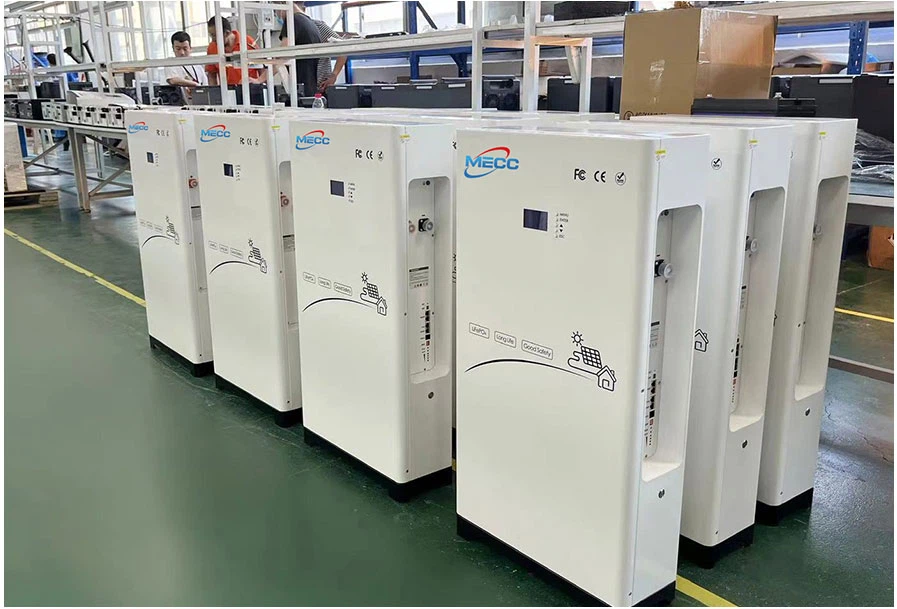
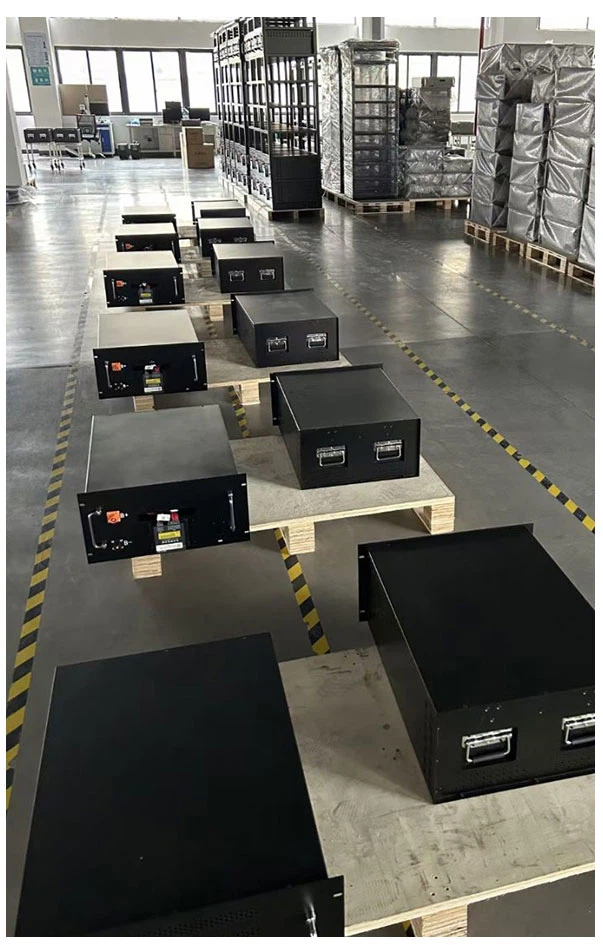
LiFePO4 Battery Power : 5-60 KWH (0.5C)
Battery Voltage : 48/51.2V 100-314AH
Cycle times :6000+
Warranty : 5 years
CE/MSDS/UN38.3
The kits are being integrated with building automation systems in commercial buildings. These automation systems can control lighting, heating, ventilation, and air conditioning (HVAC) based on solar power availability. For example, when the sun is shining brightly, the system can automatically adjust the blinds to optimize natural light and reduce artificial lighting usage. It can also prioritize cooling certain areas that are occupied while using solar power, maximizing energy savings and comfort. This integration makes commercial buildings more energy-efficient and responsive to solar generation patterns.
In the furniture finishing industry, are revolutionizing the way furniture is finished. Spray booths, where finishes are applied, can be powered by solar energy. This allows for a more even application of paint, varnish, or lacquer, enhancing the overall appearance of the furniture. The drying ovens, which cure the finishes, operate more efficiently with the solar-generated electricity. The polishing equipment, used to give the furniture a smooth and shiny surface, also benefits from the stable power supply. The hybrid system, with its backup, ensures that the furniture finishing process can continue without interruption, resulting in higher quality finished products and reduced energy costs.
At our factory, we're pioneering the use of biodegradable materials in solar panel encapsulation. This innovative approach addresses the long-term environmental concerns associated with traditional encapsulation materials. The production process carefully incorporates these biodegradable substances, ensuring they maintain the necessary durability and protection for the solar cells. As a result, our panels not only generate clean energy but also have a reduced ecological footprint at the end of their lifecycle. We're constantly testing and refining this technology to meet the highest industry standards, making us a leader in sustainable solar manufacturing.
FAQ
How do I calculate the carbon footprint of one?
To calculate the carbon footprint, start by considering the manufacturing process. Look at the energy used to produce the solar panels, inverters, and other components. This information is often available from manufacturers or industry studies. Add the emissions associated with transportation of the materials and installation. Then, subtract the carbon emissions avoided by generating clean electricity over the life of the system. For every kilowatt-hour of solar electricity produced, approximately 0.8 - 1.2 kilograms of carbon dioxide emissions are avoided, depending on the carbon intensity of the local grid. By comparing the upfront emissions with the lifetime savings, you can get a clear picture of the net carbon footprint of your solar energy system.
Hot Tags: hybrid solar power system, China hybrid solar power system manufacturers, suppliers
Previous
Hybrid Inverter SystemsSend Inquiry


