












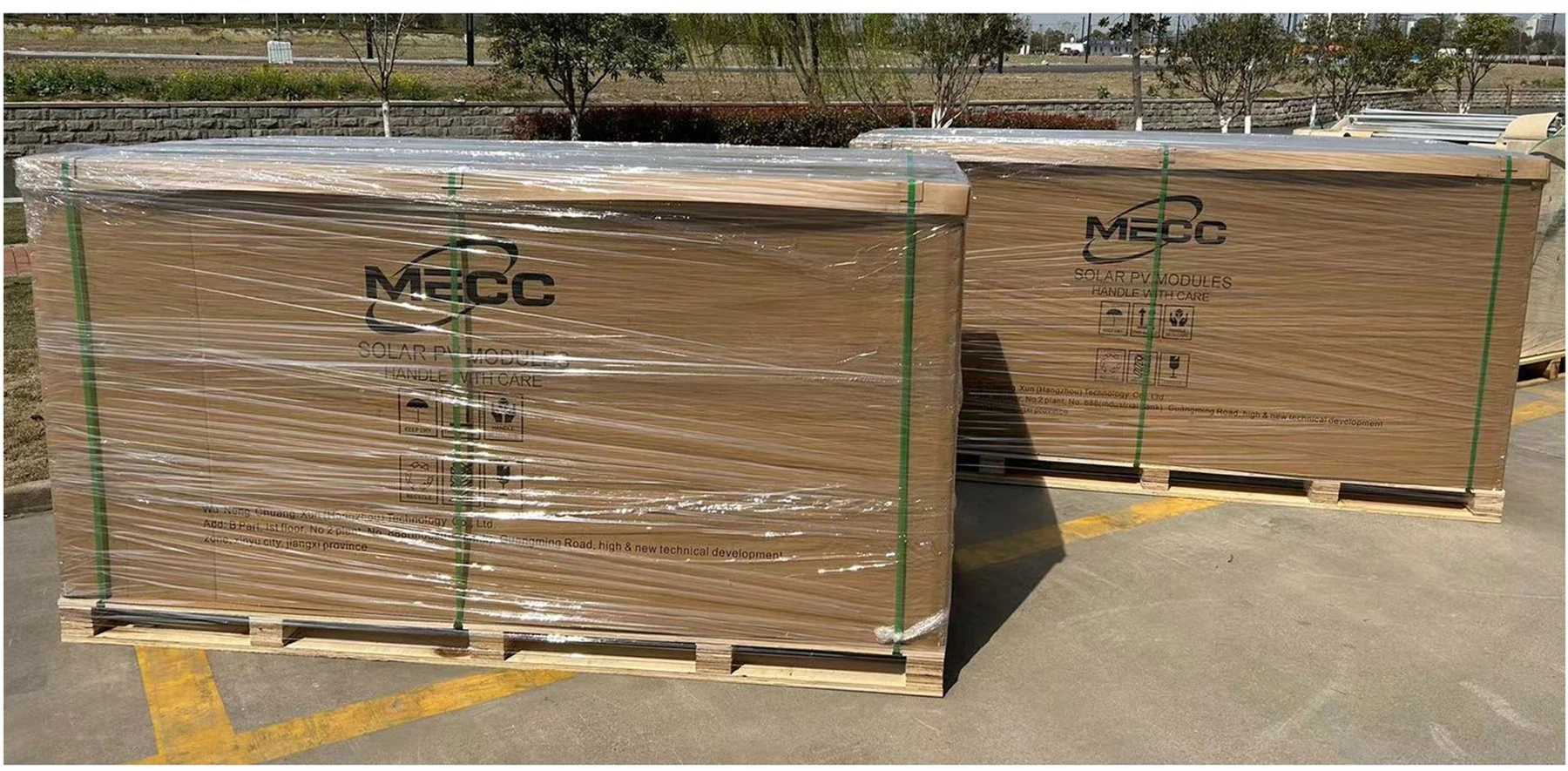


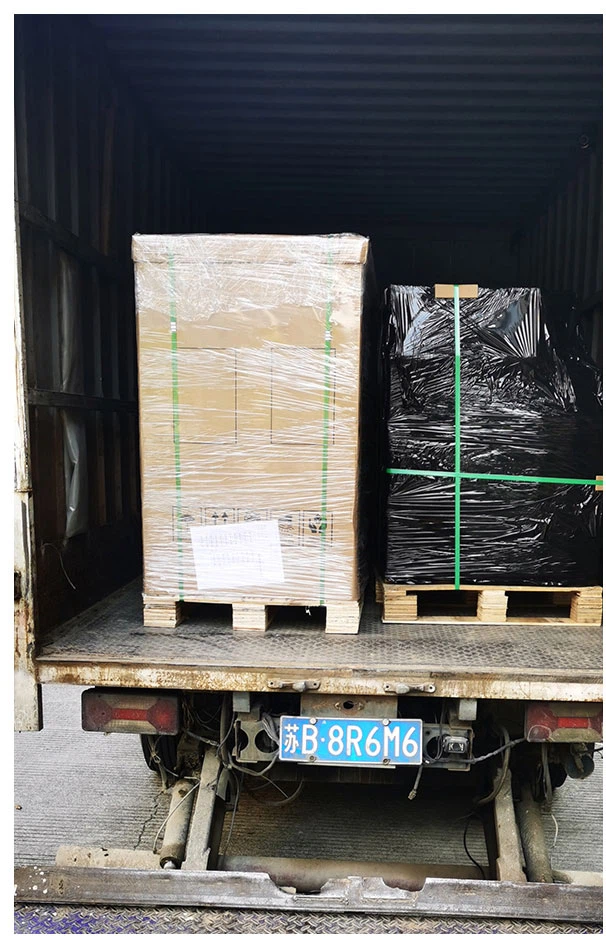



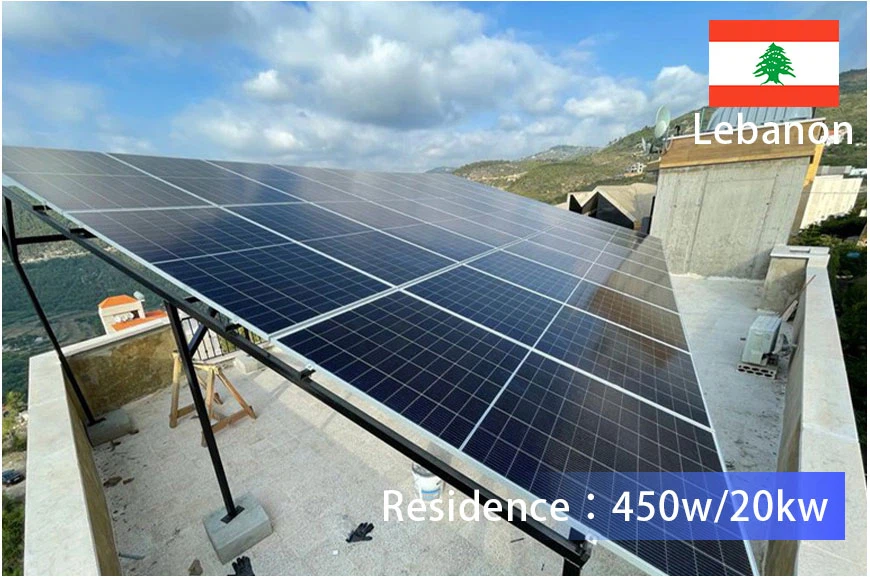


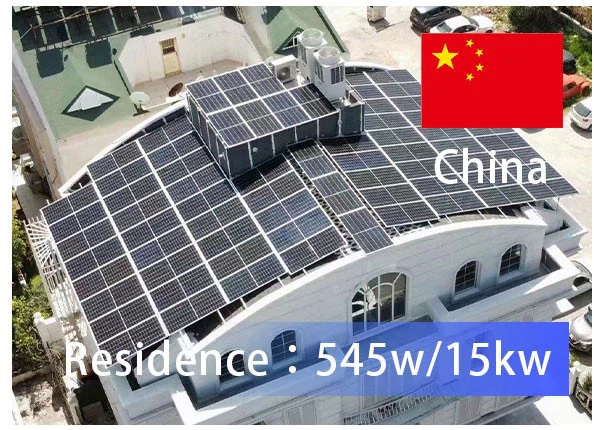



TOPCON N Type Bifacial Solar Panel:
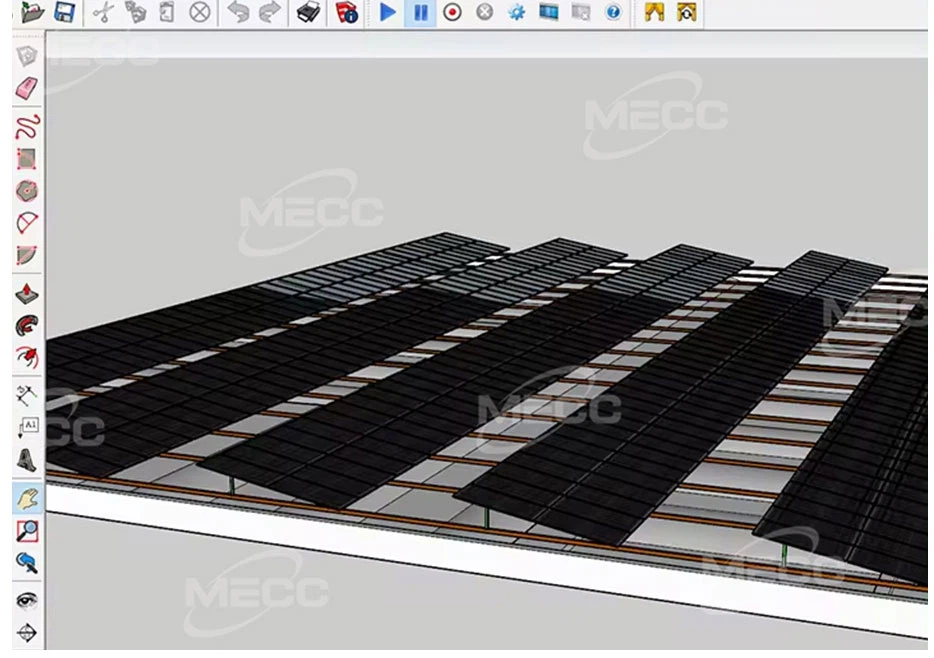
Power : 590 W-710W
Power tolerance : 0 to +5 W
Warranty : 30 years
CE/TUV/ISO/intertek
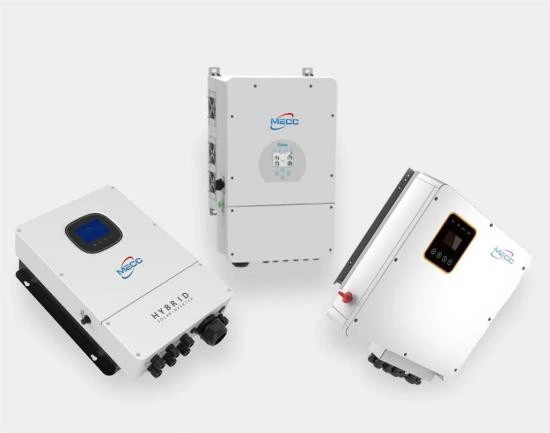
Inverter power : 3-30 kW
Output : Single phase 220/230V Split Phase 120/240V
IP21 Warranty : 2 years
IP65 Warranty : 5 years
CE/TUV/EN-50549
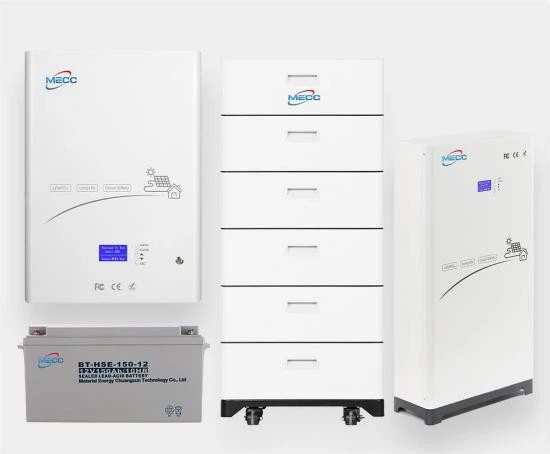
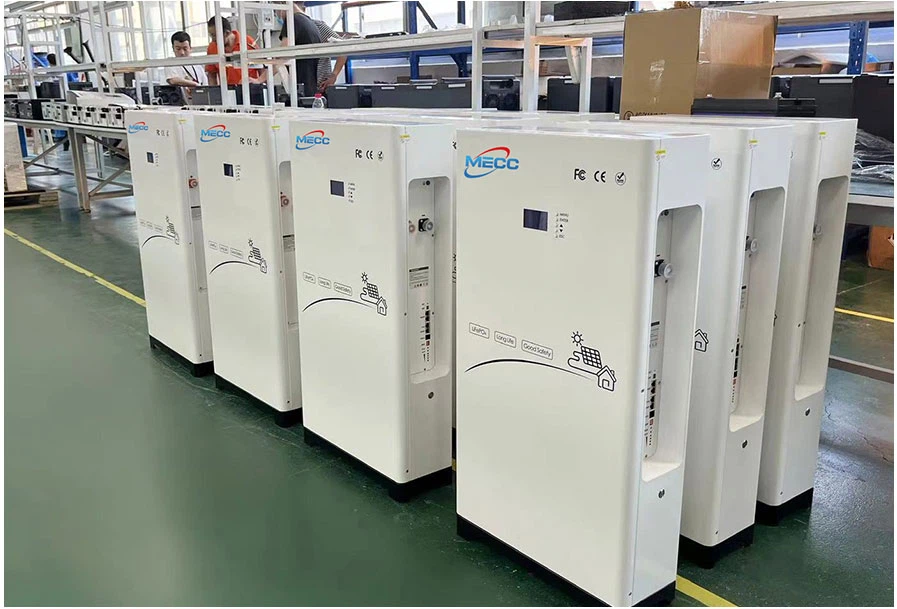
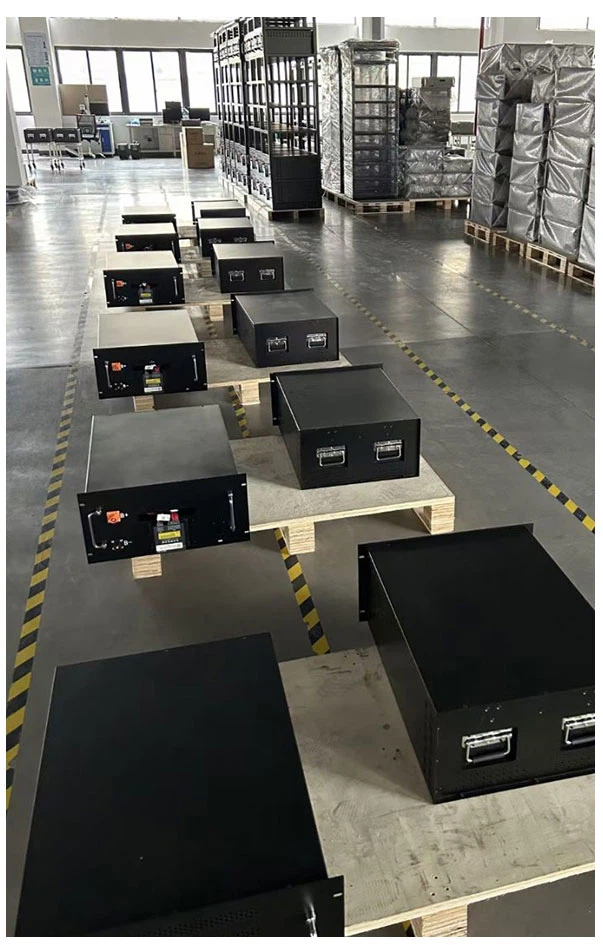
LiFePO4 Battery Power : 5-60 KWH (0.5C)
Battery Voltage : 48/51.2V 100-314AH
Cycle times :6000+
Warranty : 5 years
CE/MSDS/UN38.3
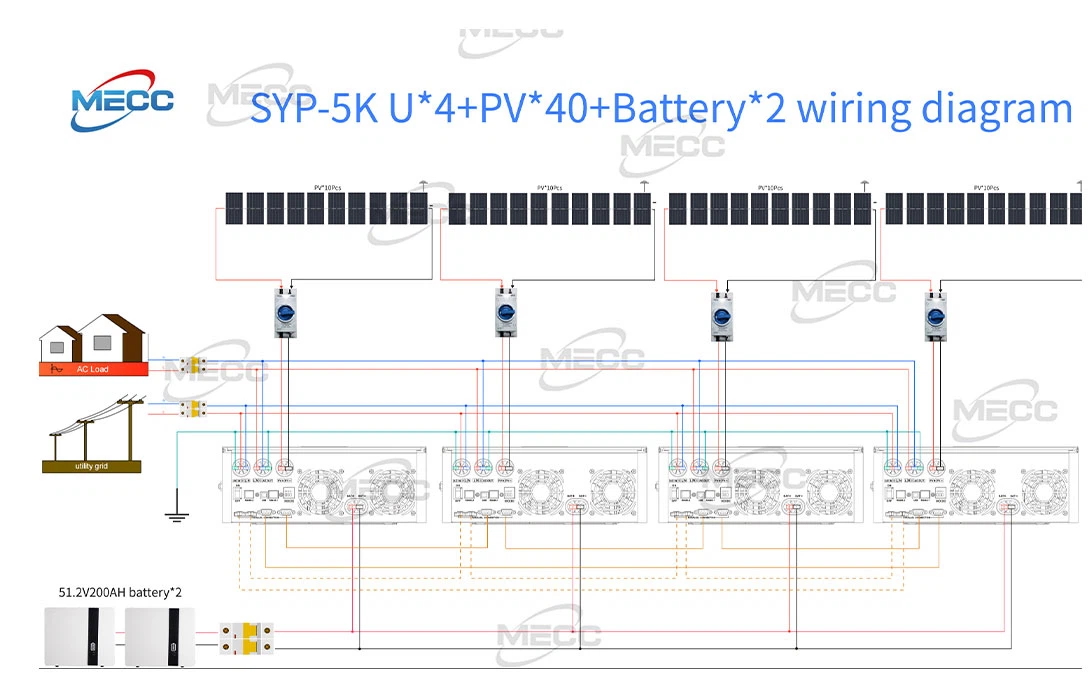
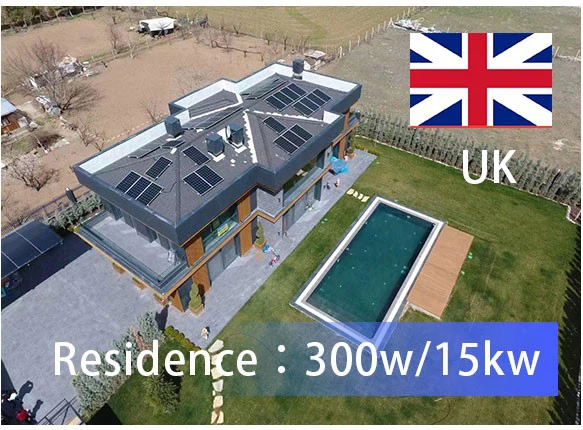
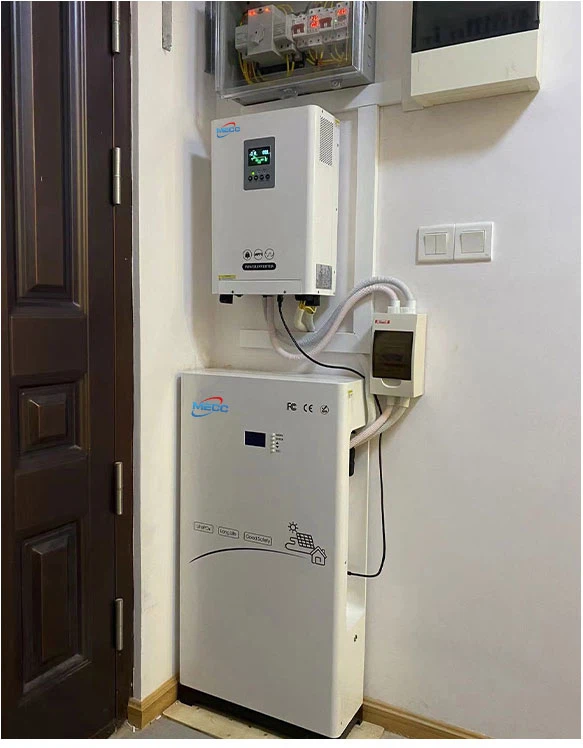
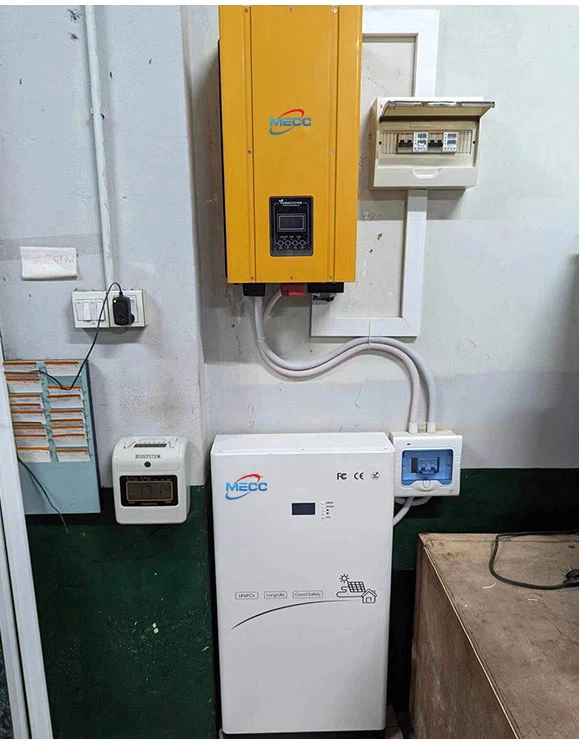
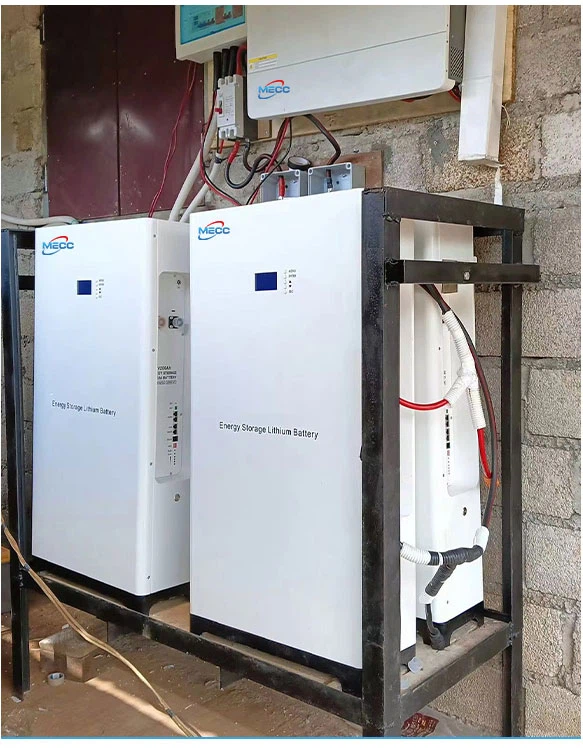
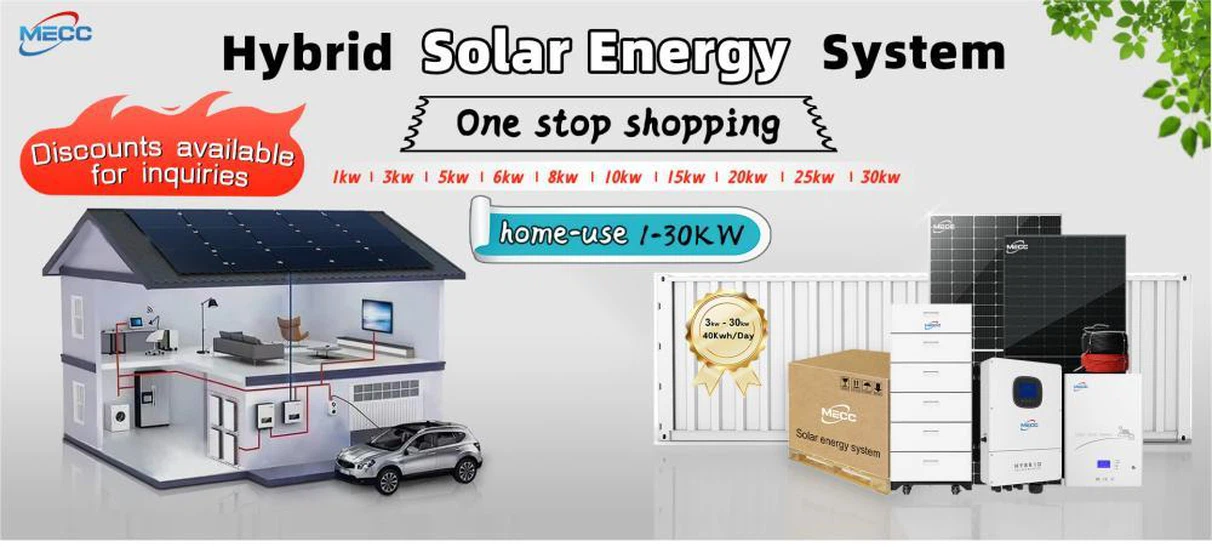
System Components & Integration: The system includes 8kW of high-efficiency solar panels (typically 14–20 panels, ~400–590W each) to capture sunlight, an 8kW hybrid inverter that serves as the central hub-managing power flow between solar arrays, battery storage, and the grid-and a large-capacity lithium battery (10–20kWh, LiFePO4 chemistry) with an advanced BMS for safe, long-term storage. It also features a bidirectional smart meter for grid interaction, enabling net metering (exporting excess solar to the grid for credits) and seamless 切换 (switching) between solar/battery power and grid supply. During daylight hours, solar energy directly powers the property, with surplus stored in the battery; after sunset or in low light, the battery discharges, and the grid supplements when storage is depleted. The modular design allows easy expansion-adding more panels, upgrading the battery, or integrating generators-adapting to growing energy needs.
Performance & Energy Management: The system generates 32–40kWh of electricity daily in sunny regions, sufficient to cover the energy needs of medium-sized homes (e.g., powering air conditioners, water heaters, and multiple appliances simultaneously). The 8kW hybrid inverter optimizes energy distribution by prioritizing solar for real-time use, storing excess in the battery, and drawing from the grid only when necessary. During outages, it automatically switches to backup mode, using stored battery power to keep critical systems (HVAC, refrigeration, security systems) operational. Smart features, including app-based monitoring and programmable schedules, let users track energy flow, adjust consumption patterns, and maximize self-consumption-reducing monthly electricity bills by 70–90%.
Durability & Compatibility: The solar panels are engineered to withstand harsh weather (hail, high winds, extreme temperatures) with a 25-year performance warranty, while the lithium battery offers 5,000+ cycles (12–15 years) and IP65-rated protection against dust and moisture. The 8kW hybrid inverter is compatible with various battery types (LiFePO4, NMC) and grid standards worldwide, making it easy to integrate into existing electrical systems or new constructions. It also supports generator connectivity as a secondary backup, ensuring power security in prolonged outages. Low-maintenance requirements-occasional panel cleaning and battery health checks-ensure long-term reliability.
Cost & Sustainability: While upfront investment is higher than smaller systems, the 8kW Hybrid Inverter System typically achieves payback in 5–6 years through reduced electricity bills and net metering credits. By leveraging solar power, it cuts carbon emissions by 5–7 tons annually, aligning with eco-friendly goals. Its scalability ensures it remains cost-effective as energy demands grow (e.g., adding electric vehicle chargers), making it a smart long-term investment for both residential and light commercial use.
FAQ
What are the latest advancements in solar-powered vehicle batteries?
One major advancement is the development of solid-state batteries. They offer higher energy densities compared to traditional lithium-ion batteries, allowing solar-powered vehicles to store more energy and travel further on a single charge. Solid-state batteries also have faster charging times and are more stable at high temperatures, which is beneficial for vehicle applications. Another trend is the use of recycled materials in battery production. For example, some companies are exploring the use of recycled lithium and cobalt to reduce the environmental impact of battery manufacturing. Additionally, smart battery management systems are evolving. These systems can optimize the charging and discharging of batteries based on solar availability, vehicle usage patterns, and battery health, maximizing the efficiency and lifespan of the batteries.
Hot Tags: 8kw hybrid inverter solar system, China 8kw hybrid inverter solar system manufacturers, suppliers
Send Inquiry


