




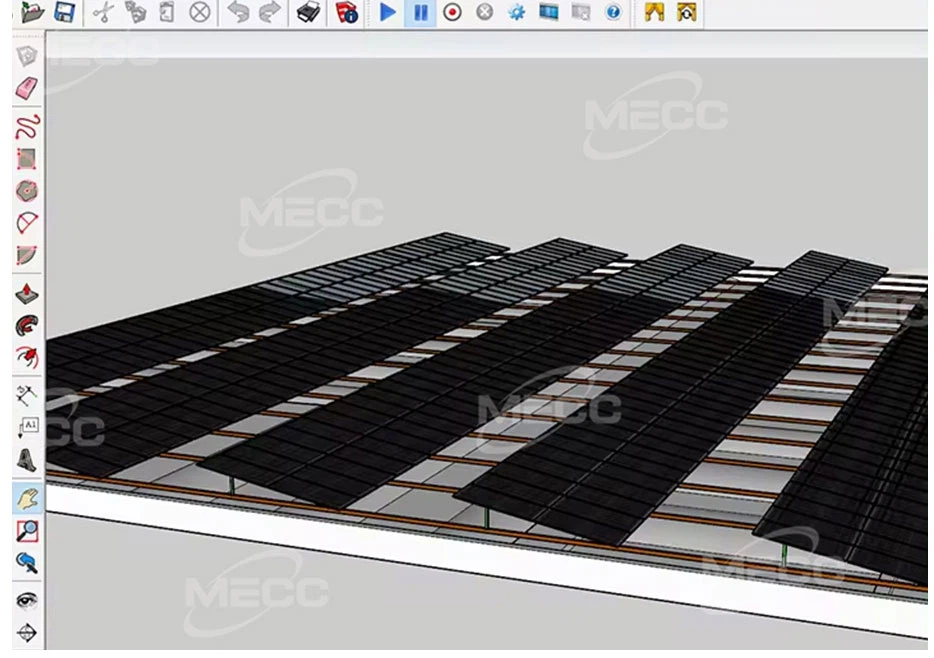


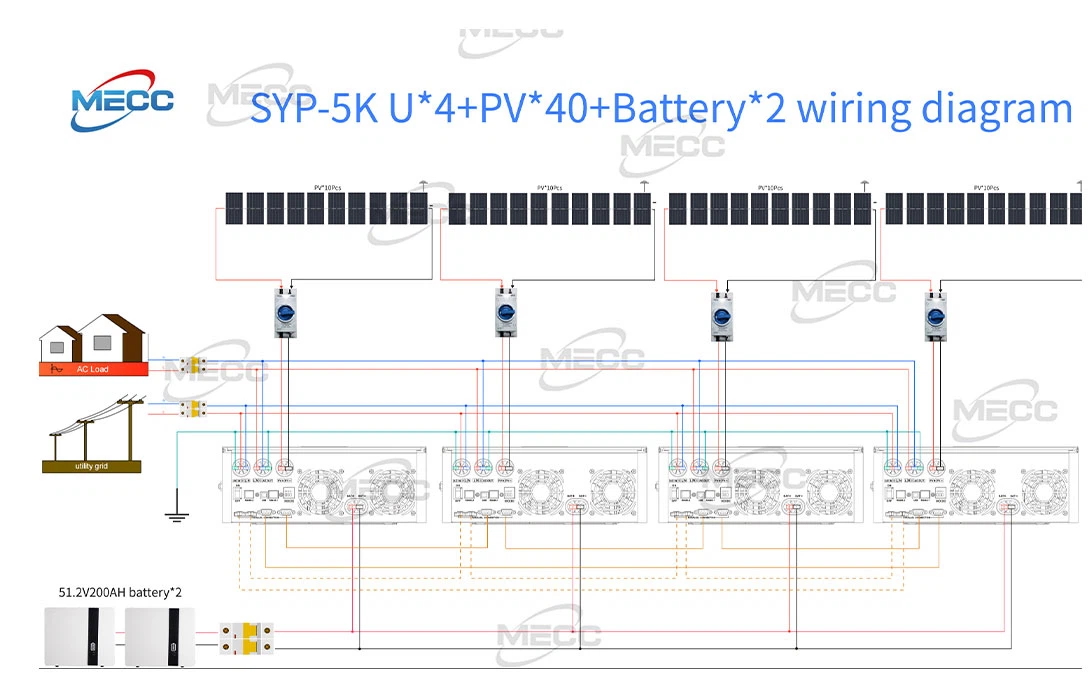



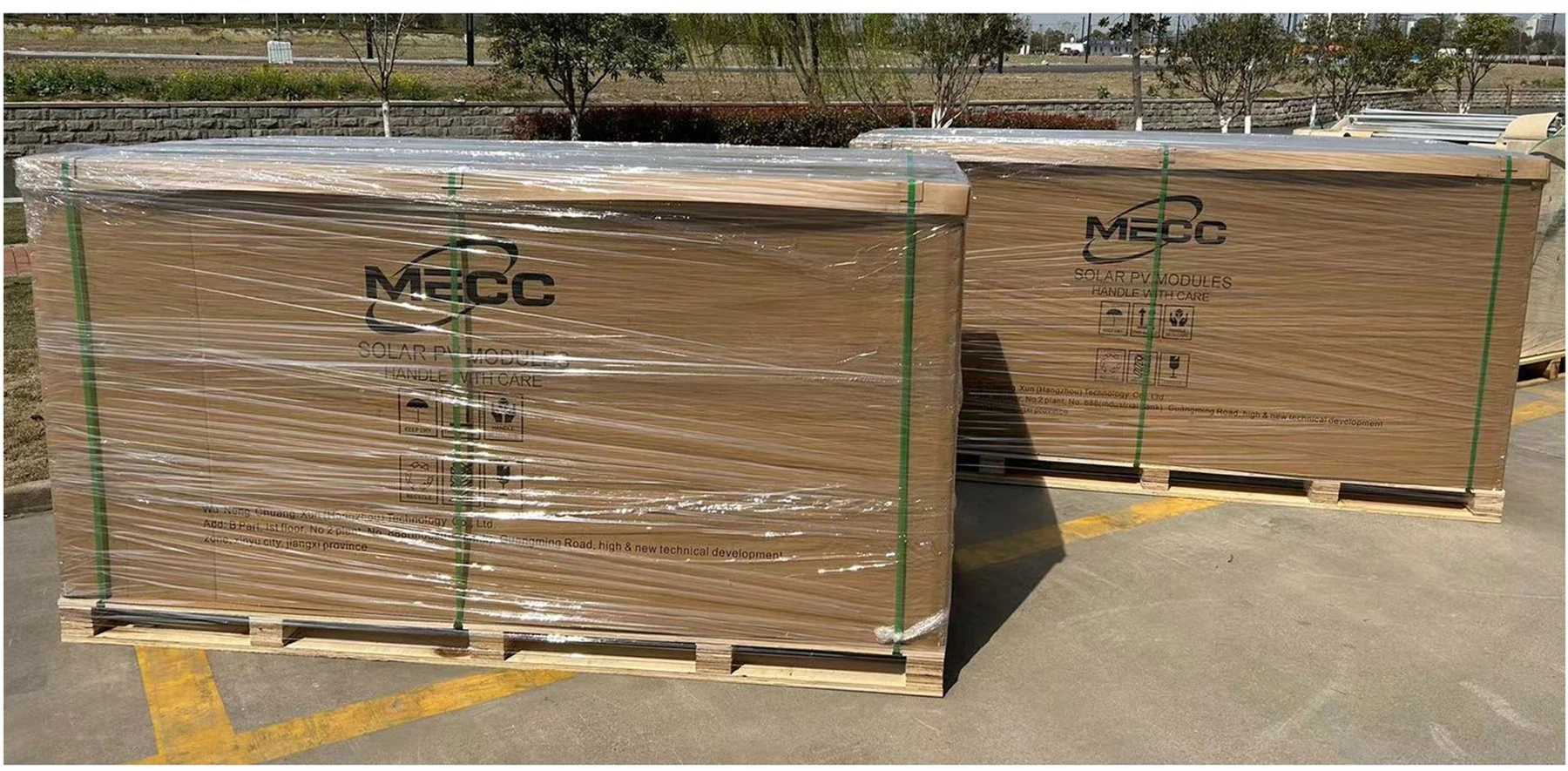










TOPCON N Type Bifacial Solar Panel:
Power : 590 W-710W
Power tolerance : 0 to +5 W
Warranty : 30 years
CE/TUV/ISO/intertek
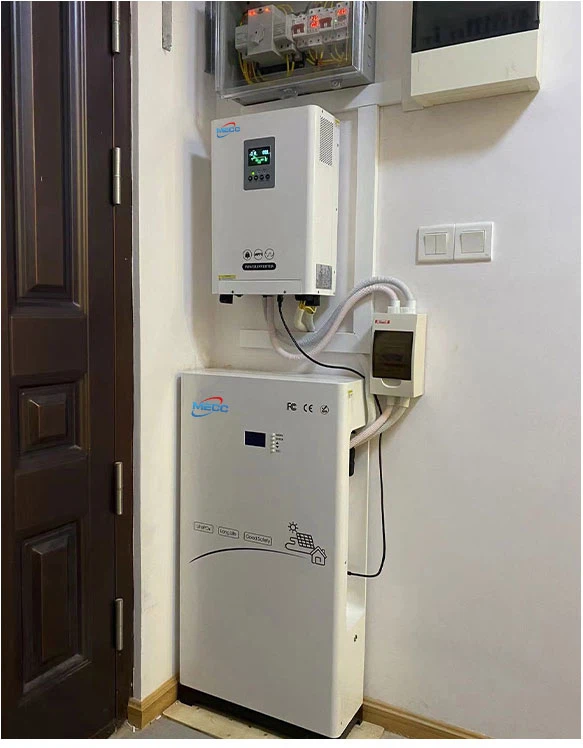
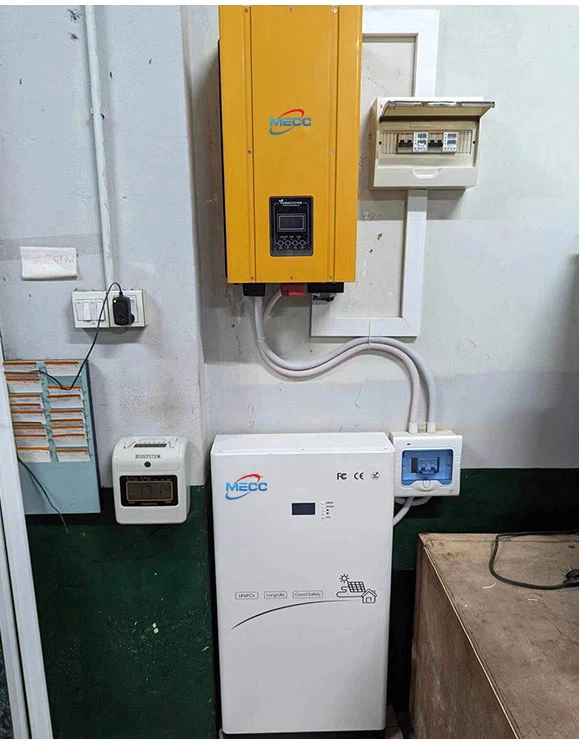
Inverter power : 3-30 kW
Output : Single phase 220/230V Split Phase 120/240V
IP21 Warranty : 2 years
IP65 Warranty : 5 years
CE/TUV/EN-50549
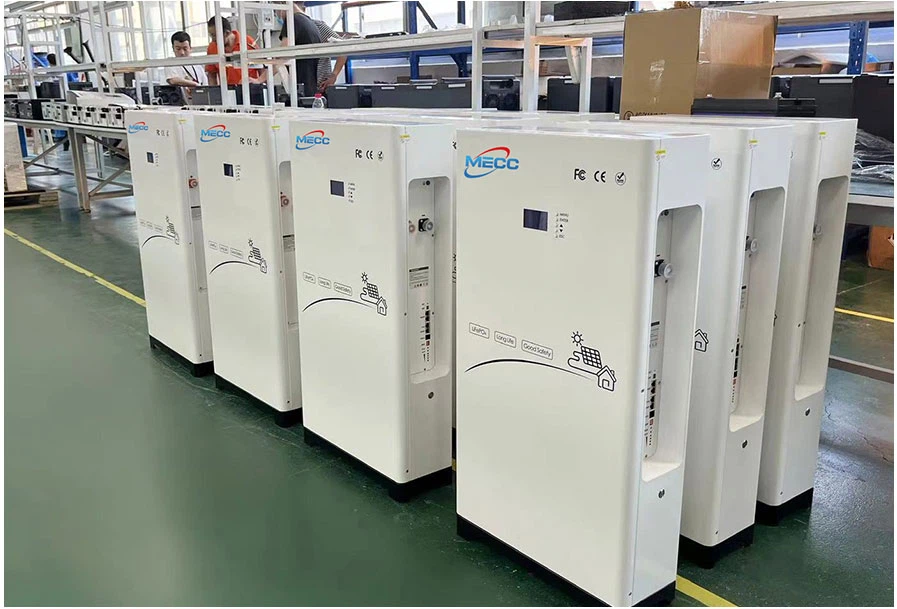
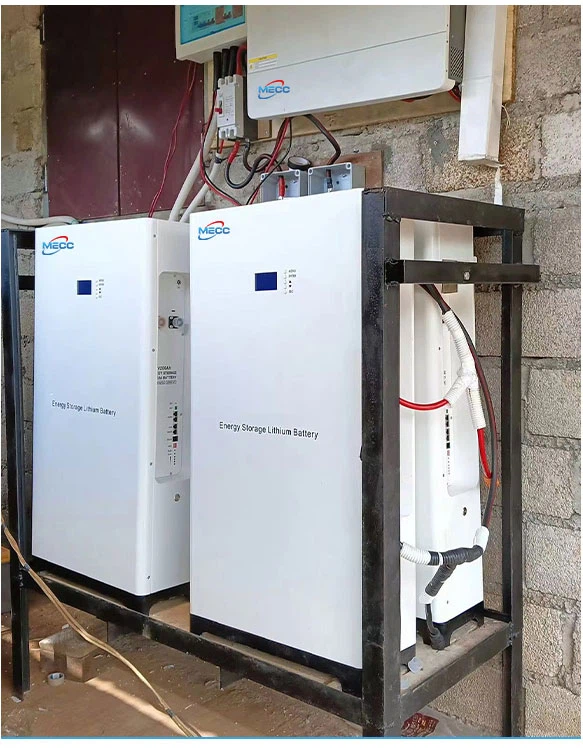
LiFePO4 Battery Power : 5-60 KWH (0.5C)
Battery Voltage : 48/51.2V 100-314AH
Cycle times :6000+
Warranty : 5 years
CE/MSDS/UN38.3
The products in the food packaging industry are reducing packaging waste. Packaging plants can use solar power during the day to run conveyor belts, sealing machines, and labeling equipment. The backup generators or grid connection ensures that production doesn't halt due to power issues. This combination reduces energy costs, improves production efficiency, and helps the food packaging industry become more sustainable, meeting the growing demand for environmentally friendly products.
In the textile - knitting industry, these products are bringing about significant improvements in both production and product quality. The knitting machines, powered by this energy, can be programmed to produce a wide variety of stitch patterns and fabric textures. The stable power supply ensures that the knitting process is free from disruptions, reducing the likelihood of dropped stitches or uneven knitting. The yarn - conditioning systems can control the humidity and temperature of the yarn before it is fed into the knitting machines. This helps to prevent yarn breakage and improves the overall quality of the knitted fabric. Additionally, the quality - control sensors, which are powered by the system, can continuously monitor the fabric as it is being knitted, detecting any irregularities and allowing for immediate adjustments. The hybrid system, with its backup options, enables the textile - knitting industry to maintain a high - level of production efficiency and product quality.
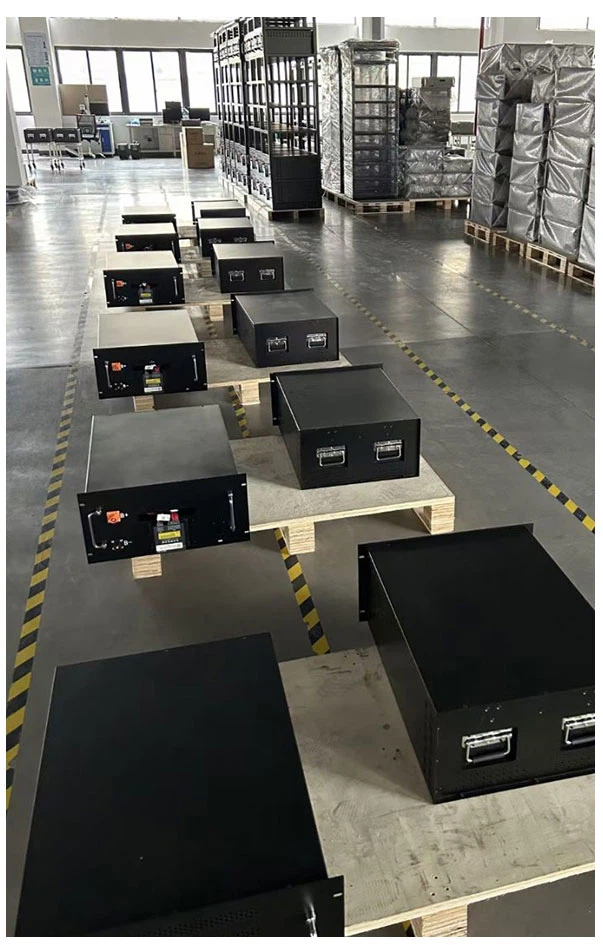
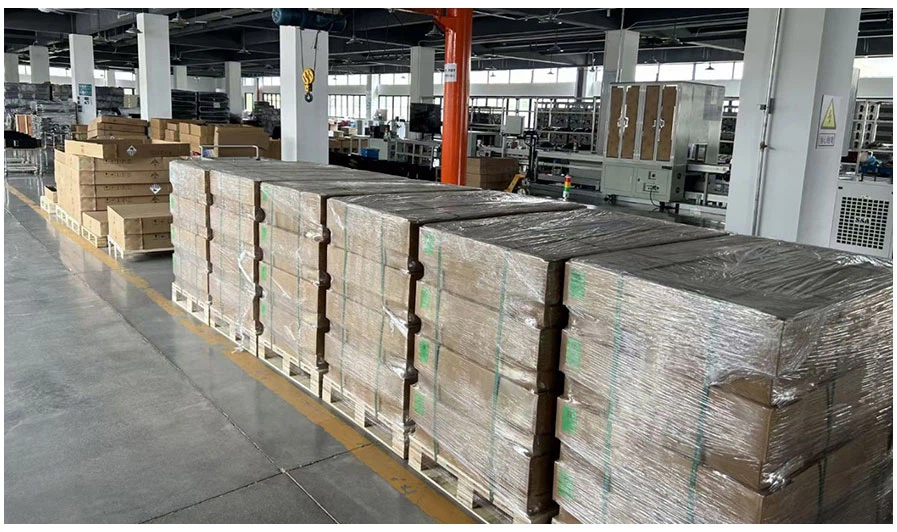
Welcome to the heart of solar system manufacturing. Our factory is a hive of activity, where cutting-edge technology meets traditional craftsmanship. The production line is modular, allowing for quick adaptations to new product designs and market demands. We source our raw materials globally, but with a strict focus on sustainability and quality. For instance, the silicon used in our panels comes from suppliers who adhere to the highest environmental and labor standards. Once inside the factory, these materials are transformed into powerful solar modules through a series of precise steps. Our quality assurance team employs advanced testing equipment to detect even the slightest flaws, subjecting each unit to a battery of tests that mimic real-world operating conditions. This attention to detail, along with our ability to provide customized solar solutions, has made us a preferred partner for clients around the world.
FAQ
How do I calculate the environmental payback period of such a system?
To calculate the environmental payback period, you need to consider the emissions avoided by using the new power instead of traditional energy sources. First, determine the amount of electricity your solar system generates annually. Then, multiply this by the average carbon dioxide (or other pollutant) emissions per kilowatt-hour of the grid electricity it replaces. This gives you the annual emissions reduction. Next, estimate the total emissions associated with manufacturing, installing, and maintaining the solar system over its lifetime. Divide the total emissions of the solar system by the annual emissions reduction to obtain the environmental payback period. A shorter environmental payback period indicates a more environmentally beneficial system, as it quickly offsets the emissions related to its production.
Hot Tags: 10kw solar panel systems hybrid, China 10kw solar panel systems hybrid manufacturers, suppliers
Send Inquiry


