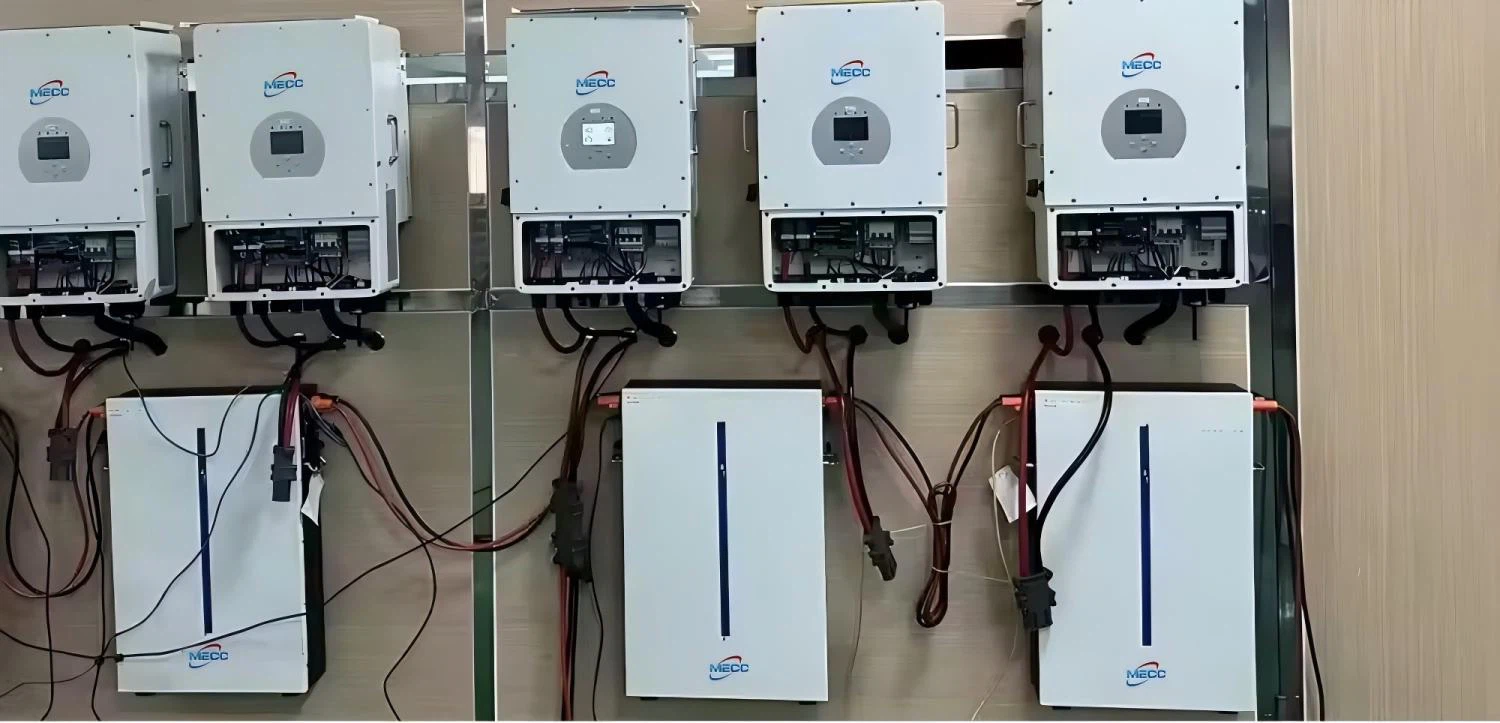
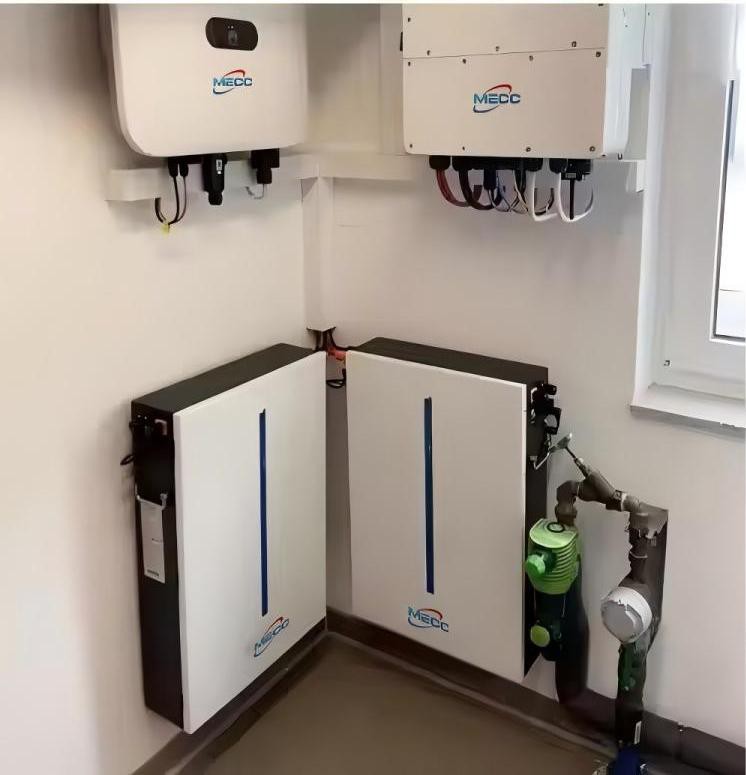
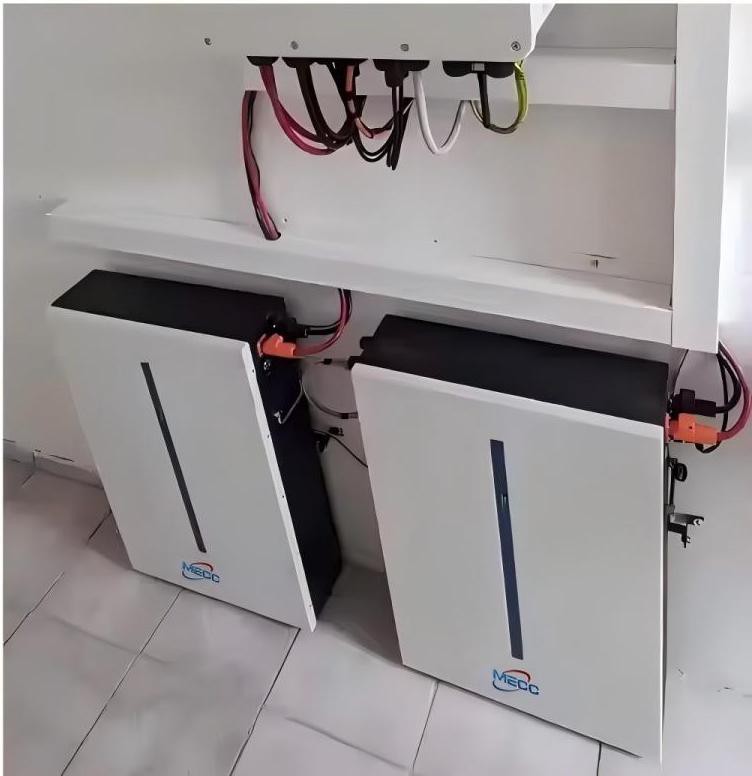
Applications in Renewable Energy In renewable energy systems, rack-mounted lithium batteries play a crucial role in storing excess energy generated by solar panels and wind turbines. This stored energy can be used during periods of low generation or high demand, ensuring a stable and continuous power supply.
Use in Data Centers Data centers benefit from rack-mounted lithium batteries as they provide a reliable and efficient backup power solution. These batteries ensure uninterrupted power supply during grid outages, protecting critical data and operations.
Industrial Applications In industrial settings, rack-mounted lithium batteries are used for various applications, including powering electric forklifts, providing backup power for manufacturing processes, and supporting energy storage in microgrids.
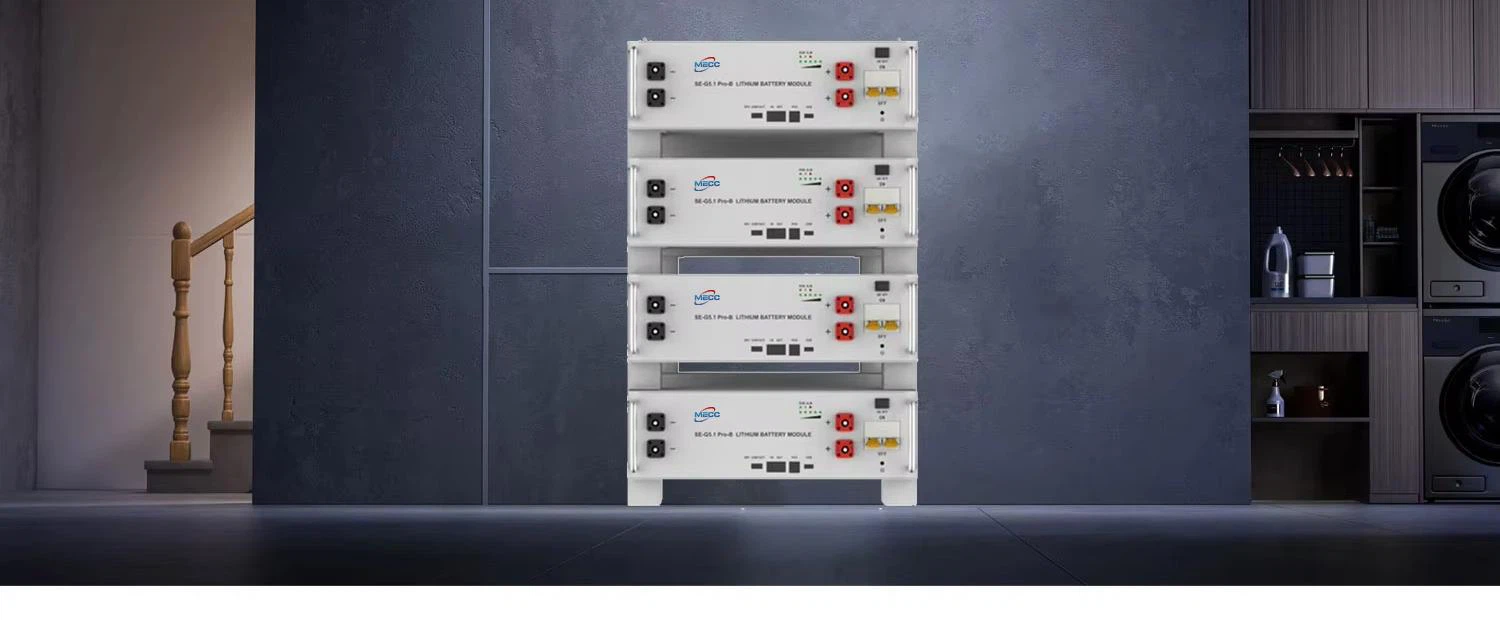
LithiumIron Phosphate (LFP) Battery
Cobalt Free Lithium lron Phosphate (LFP) Battery: Safety and long Lifespan, high efficiency and high power density.
Support high discharge power. IP20, natural cooling, wide temperature range: -20 to 55℃.
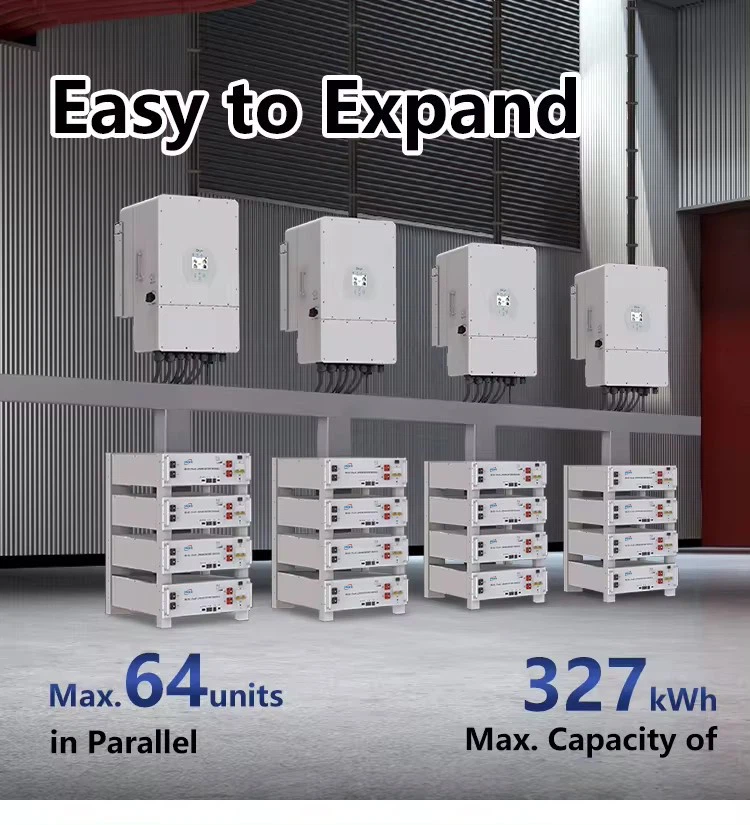
Modular design, easy to expand, Max.64 units in parallel, Max. capacity of 327kwh.
Which is designed for residential and
commercial energy storage applications.
Max. 64 pcs pack (327kWh) in parallel (Max. 32 pcs no external setup)
Storage Temperature
0℃~35℃
Nominal Voltage (V)
51.2
Humidity
5%~95%
Operating Voltage(V)
43.2~57.6
Altitude
≤2000m
Energy (kWh)
5.12
Cycle Life
≥6000(25℃±2℃,0.5C/0.5C,90%DOD,70%EOL)
Usable Energy (kWh)
4.6
Installation
Wall-Mounted, Floor-Mounted, Rack-Mounted (19-inch standard cabinet, cabinet depth ≥600mm )
Charge/Discharge Current (A)
Recommend 50
Communication Port
CAN2.0, RS485
Other Parameter
Warranty Period
10 years
Recommend Depth of Discharge
90%
Energy Throughput
16MWh@70%EOL
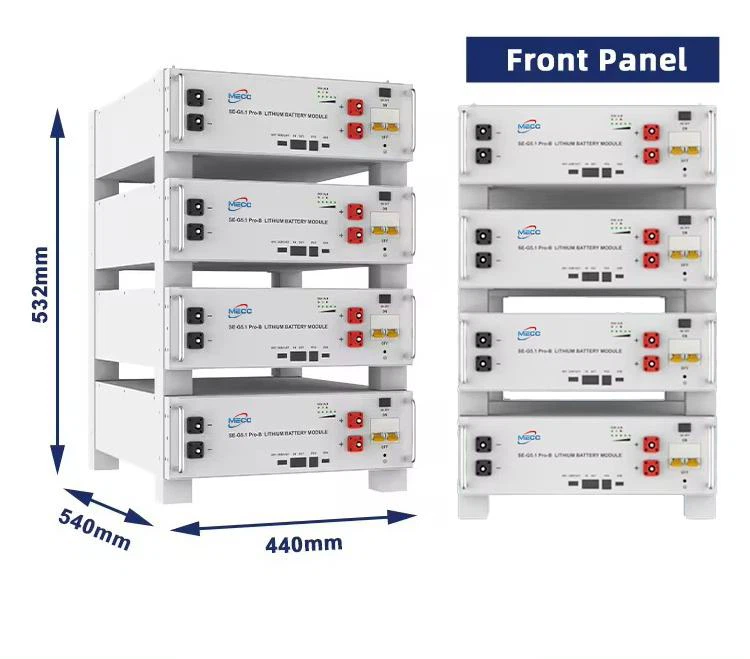
Dimension (W/H/D, mm)
440*133*540
Certification
UN38.3, IEC62619, CE,UK, VDE2510-50, CEI 0-21, FCC, UL1973, UL9540A
FAQ
How does the self discharge rate of a solar battery rack affect its performance?
The self discharge rate is the rate at which a battery loses its stored charge over time when not in use. A high self discharge rate in a rack battery means that the battery will need to be recharged more frequently, even when not actively powering a load. This can be a concern for applications where the battery needs to be on standby for long periods. For example, in a backup power system for a remote communication site, a high self discharge rate could lead to a situation where the battery has insufficient charge when needed.
What are the signs that a solar battery rack needs to be replaced?
Signs that a rack battery needs replacement include a significant decrease in capacity, where the battery can no longer provide the expected amount of power for the required duration. Frequent over heating during normal operation, even with proper cooling, is another indication. If the battery shows signs of physical damage, such as swelling or leakage, it should be immediately replaced. Additionally, if the battery fails to charge properly or reaches its end of life cycle count as indicated by the BMS, replacement is necessary.
Can a solar battery rack be used in a mobile or portable power application?
While rack batteries are typically designed for stationary installations, in some cases, they can be adapted for mobile or portable power applications with proper modifications. However, their relatively large size and weight compared to some portable battery solutions may limit their usability. For example, in a mobile emergency power supply vehicle, a rack battery could be used, but the vehicle's design would need to account for the battery's size and the need for secure mounting during transportation.