Add: Room 1308, Building 4, Haichuang Technology Center, No. 1288, Wenyi West Road, Yuhang District, Hangzhou City, Zhejiang Province, China
Search
Racked Lithium Battery
Racked Lithium Battery
Racked Lithium Battery
Racked Lithium Battery
Racked Lithium Battery
1/6
Racked Lithium Battery
5KWH Rack Mounted stacked lithium Ion battery The battery is a revolutionary breakthrough in the energy storage domain. These advanced batteries combine cutting-edge materials and innovative technologies, presenting a more powerful and efficient solution. They can effortlessly meet the surging...
Product Introduction
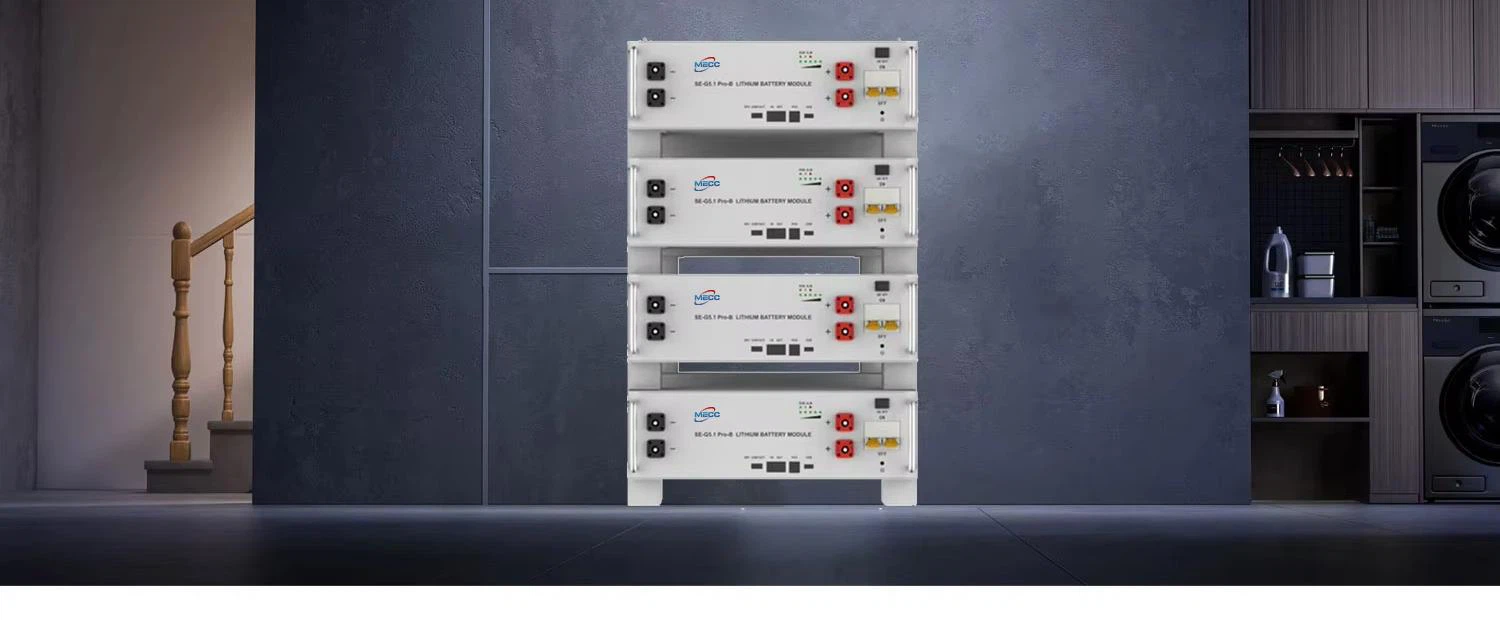
5KWH Rack Mounted stacked lithium Ion battery
The battery is a revolutionary breakthrough in the energy storage domain. These advanced batteries combine cutting-edge materials and innovative technologies, presenting a more powerful and efficient solution. They can effortlessly meet the surging energy demands of modern life, whether it's fueling the latest smartphones that keep us constantly connected or powering electric vehicles for emission-free commuting. Their adaptability and performance make them a cornerstone of the digital age.
It represents a paradigm shift in battery technology. The newly developed power cell has been engineered with precision to outperform traditional counterparts. It flaunts a remarkable cycle life, meaning it can endure countless charge and discharge sequences without significant loss of capacity. This durability is invaluable for applications where uninterrupted power is non-negotiable, like in backup generators safeguarding hospitals during power outages or in off-grid renewable energy setups powering remote communities.
They are ingeniously crafted to cater to diverse energy requirements. These state-of-the-art batteries come in an array of sizes and power ratings, meticulously designed to suit every conceivable need. Whether you're seeking a compact energy source for a wearable fitness tracker that monitors your every move or a heavy-duty unit for industrial machinery operating under extreme stress, they have the versatility to deliver reliable energy precisely when and where it's needed.
LithiumIron Phosphate (LFP) Battery
Cobalt Free Lithium lron Phosphate (LFP) Battery: Safety and long Lifespan, high efficiency and high power density.
Support high discharge power. IP20, natural cooling, wide temperature range: -20 to 55℃.
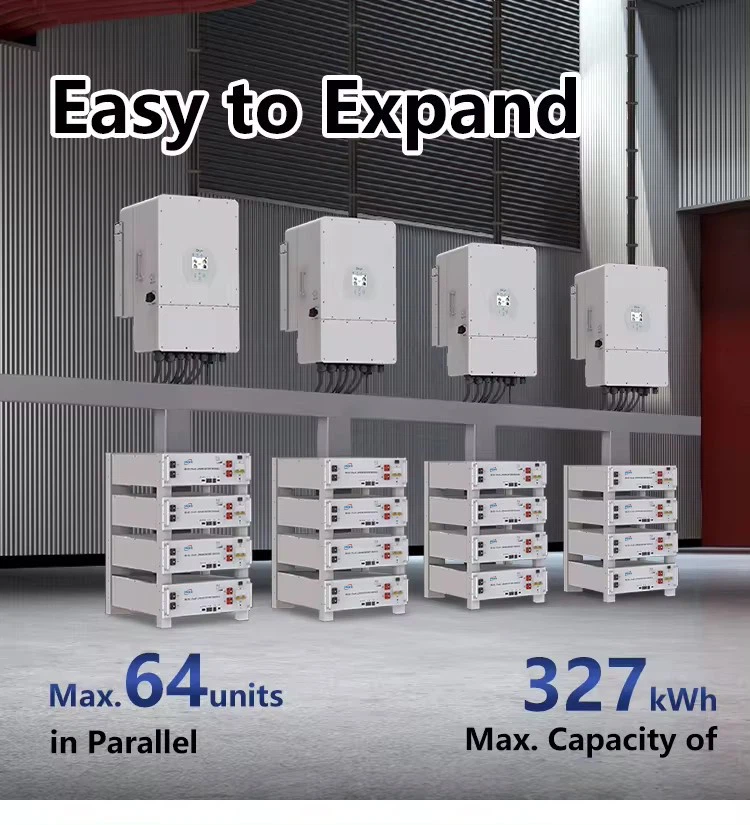
Modular design, easy to expand, Max.64 units in parallel, Max. capacity of 327kwh.
Which is designed for residential and
commercial energy storage applications.
Max. 64 pcs pack (327kWh) in parallel (Max. 32 pcs no external setup)
Storage Temperature
0℃~35℃
Nominal Voltage (V)
51.2
Humidity
5%~95%
Operating Voltage(V)
43.2~57.6
Altitude
≤2000m
Energy (kWh)
5.12
Cycle Life
≥6000(25℃±2℃,0.5C/0.5C,90%DOD,70%EOL)
Usable Energy (kWh)
4.6
Installation
Wall-Mounted, Floor-Mounted, Rack-Mounted (19-inch standard cabinet, cabinet depth ≥600mm )
Charge/Discharge Current (A)
Recommend 50
Communication Port
CAN2.0, RS485
Other Parameter
Warranty Period
10 years
Recommend Depth of Discharge
90%
Energy Throughput
16MWh@70%EOL
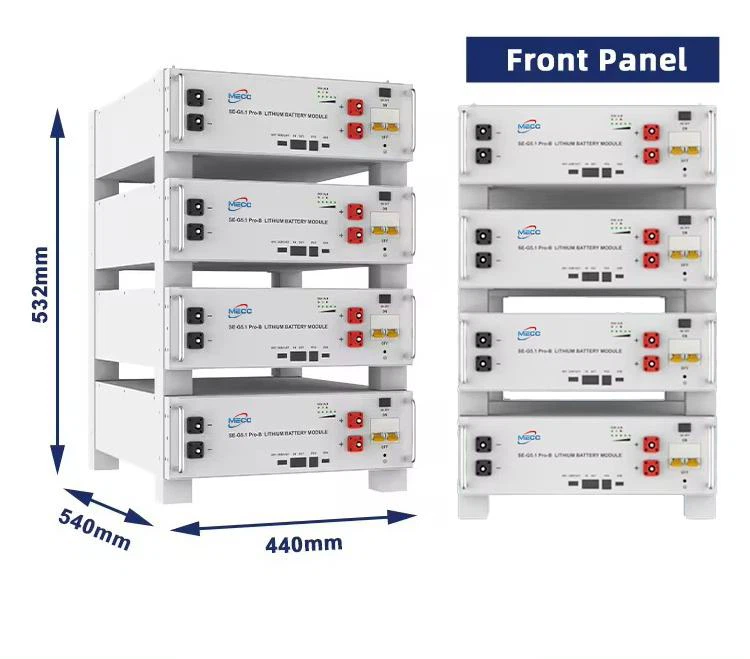
Dimension (W/H/D, mm)
440*133*540
Certification
UN38.3, IEC62619, CE,UK, VDE2510-50, CEI 0-21, FCC, UL1973, UL9540A
FAQ
Q: What kind of electrode coating technology do you use to enhance conductivity?
A: We utilize a nanostructured coating technology. At the heart of this innovation lies a meticulous process where nanoscale materials, often engineered with precision to have specific surface properties, are carefully applied to the electrodes. These nanoparticles, typically in the range of a few to tens of nanometers in size, assemble in a way that maximizes the available surface area for electron transfer. By providing a much larger surface area compared to traditional coatings, electrons can move more freely and rapidly between the electrodes and the electrolyte during charging and discharging cycles. This not only significantly boosts conductivity but also contributes to faster reaction kinetics, ultimately enhancing the overall performance of the product. For instance, in applications like electric vehicles, this technology can lead to quicker charging times and more efficient power delivery, allowing for longer trips between charges.
Q: How does the solid-state electrolyte work differently from the traditional liquid one?
A: The solid-state electrolyte represents a revolutionary departure from the conventional liquid electrolytes. Firstly, it eliminates the risk of leakage as it remains in a solid state and doesn't flow like its liquid counterparts. This enhanced safety feature is crucial, especially in portable and high-power applications where any leakage could lead to catastrophic failures. Secondly, it permits a much wider operating temperature range. While liquid electrolytes may freeze at low temperatures or boil and vaporize at high temperatures, the solid-state version remains stable, enabling the device to function smoothly from extremely cold to scorching hot environments. Moreover, its solid nature allows for closer electrode packing. This tighter arrangement increases the energy density as more active material can be incorporated within the same volume, leading to longer-lasting power storage and improved performance in a variety of demanding scenarios, such as aerospace and industrial applications.
Q: What is the advantage of the pulsed laser ablation process for surface treatment?
A: The pulsed laser ablation process offers several key advantages for surface treatment. When a high-power pulsed laser is directed at the surface of electrodes or other components, it creates microstructures with remarkable precision. These microstructures, which can range from nanoscale pits and grooves to microscale ridges, dramatically enhance the electrochemical activity. By increasing the surface area available for reactions, ions have more sites to interact with during charging and discharging. In a lithium-ion battery, for example, this means that more lithium ions can be adsorbed and desorbed from the electrode surface, leading to improved energy storage and release. Additionally, the controlled nature of the laser pulses allows for customization of the surface texture, tailoring it to specific electrochemical requirements. This process can also remove any surface contaminants or oxides that might impede performance, ensuring a cleaner and more efficient electrode interface.