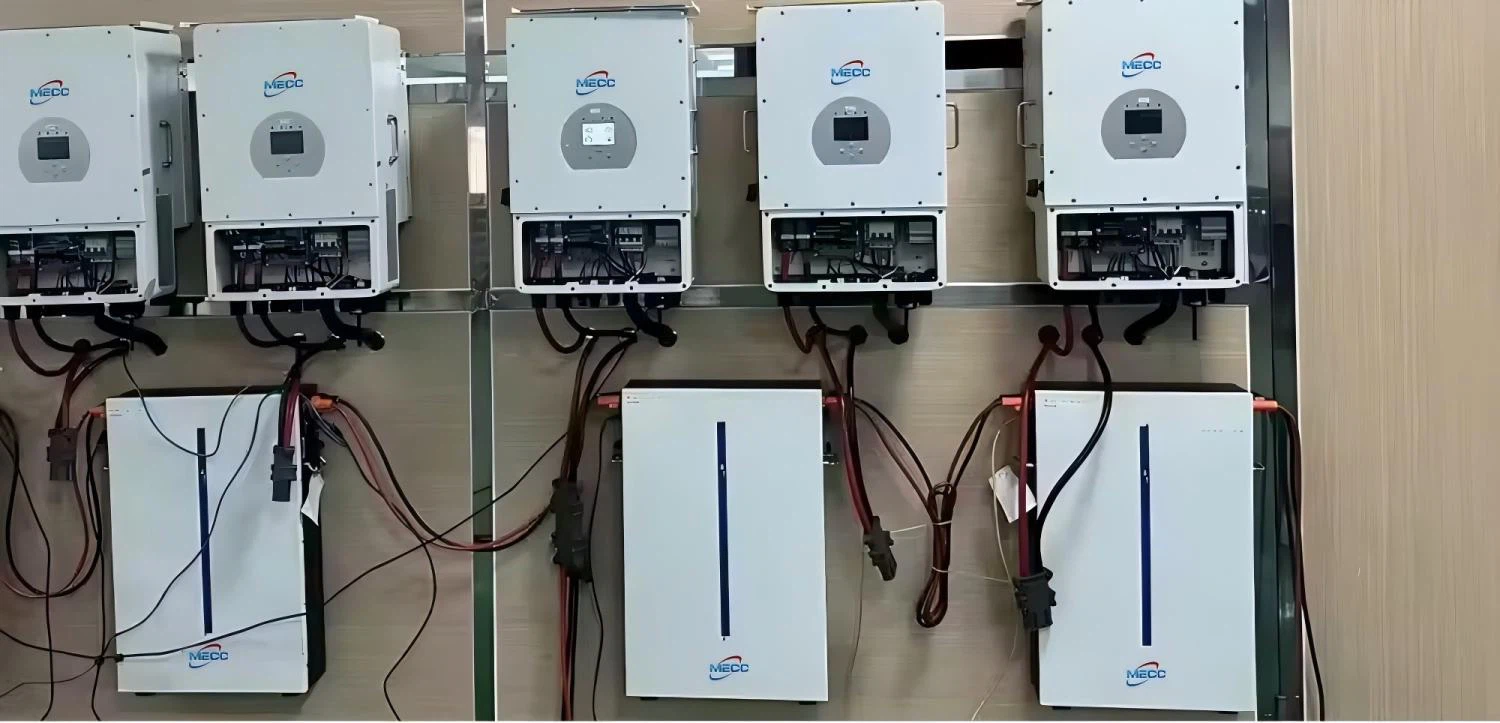
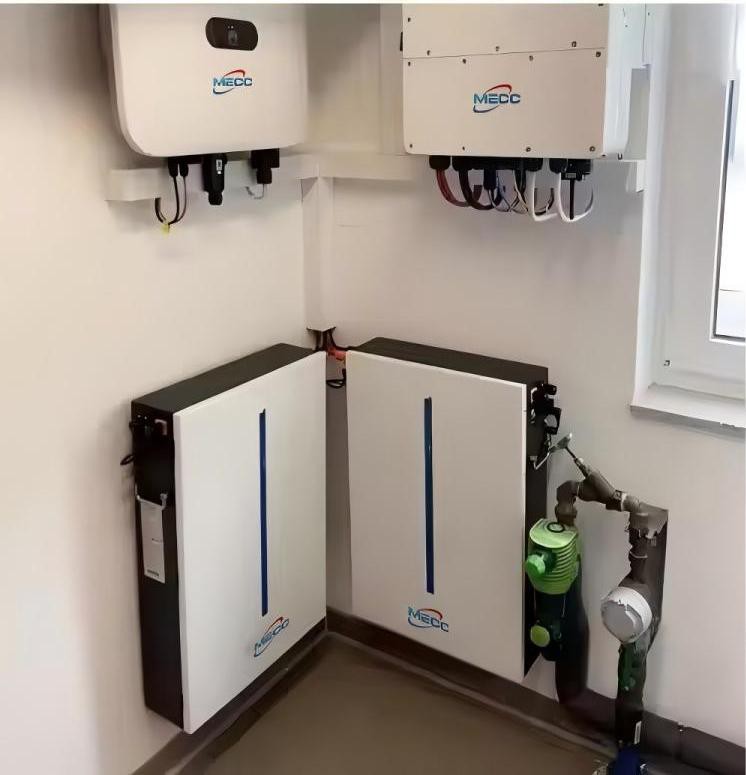
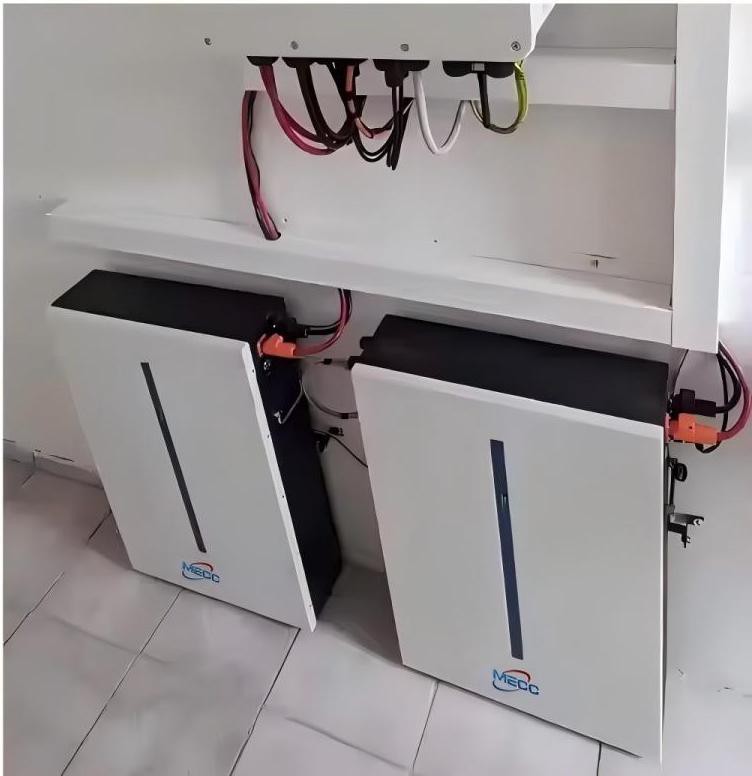
Applications in Renewable Energy In renewable energy systems, rack-mounted lithium batteries play a crucial role in storing excess energy generated by solar panels and wind turbines. This stored energy can be used during periods of low generation or high demand, ensuring a stable and continuous power supply.
Use in Data Centers Data centers benefit from rack-mounted lithium batteries as they provide a reliable and efficient backup power solution. These batteries ensure uninterrupted power supply during grid outages, protecting critical data and operations.
Industrial Applications In industrial settings, rack-mounted lithium batteries are used for various applications, including powering electric forklifts, providing backup power for manufacturing processes, and supporting energy storage in microgrids.
LithiumIron Phosphate (LFP) Battery
Cobalt Free Lithium lron Phosphate (LFP) Battery: Safety and long Lifespan, high efficiency and high power density.
Support high discharge power. IP20, natural cooling, wide temperature range: -20 to 55℃.
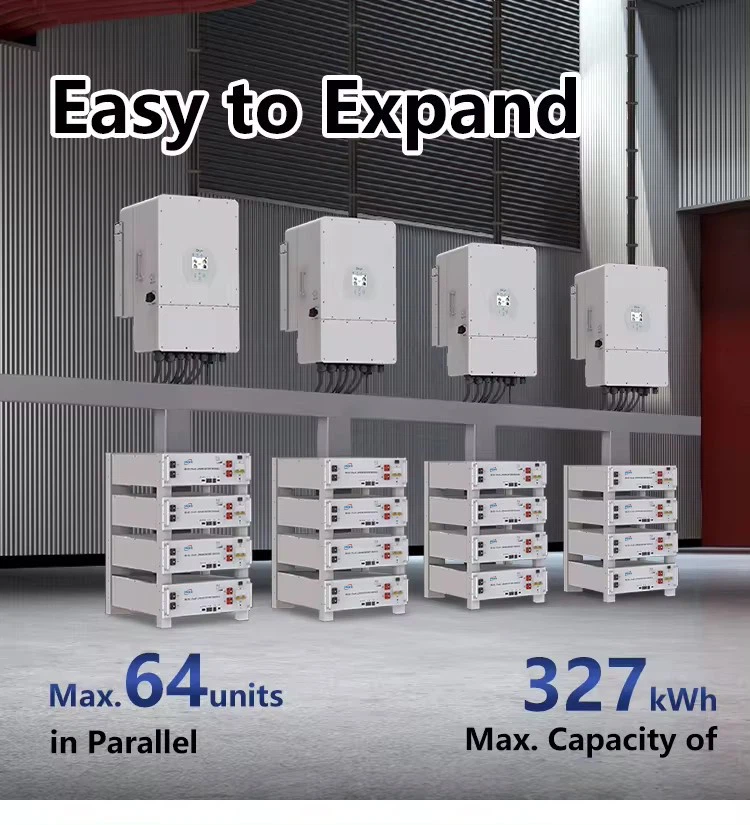
Modular design, easy to expand, Max.64 units in parallel, Max. capacity of 327kwh.
Which is designed for residential and
commercial energy storage applications.
Max. 64 pcs pack (327kWh) in parallel (Max. 32 pcs no external setup)
Storage Temperature
0℃~35℃
Nominal Voltage (V)
51.2
Humidity
5%~95%
Operating Voltage(V)
43.2~57.6
Altitude
≤2000m
Energy (kWh)
5.12
Cycle Life
≥6000(25℃±2℃,0.5C/0.5C,90%DOD,70%EOL)
Usable Energy (kWh)
4.6
Installation
Wall-Mounted, Floor-Mounted, Rack-Mounted (19-inch standard cabinet, cabinet depth ≥600mm )
Charge/Discharge Current (A)
Recommend 50
Communication Port
CAN2.0, RS485
Other Parameter
Warranty Period
10 years
Recommend Depth of Discharge
90%
Energy Throughput
16MWh@70%EOL
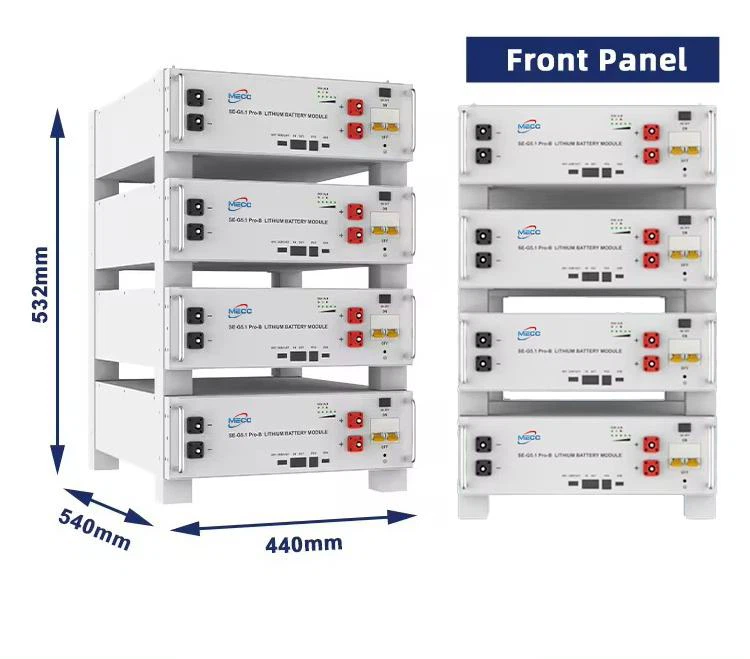
Dimension (W/H/D, mm)
440*133*540
Certification
UN38.3, IEC62619, CE,UK, VDE2510-50, CEI 0-21, FCC, UL1973, UL9540A
FAQ
Q: What kind of maintenance is required for rack mount batteries?
A: Regular maintenance is crucial. This includes checking the battery's charge level periodically to ensure it's within the recommended range. For lead acid rack mount batteries, you may need to check and top up the electrolyte levels if necessary. Monitoring the temperature of the battery is also important as overheating can reduce battery life. Additionally, inspect the battery connections regularly for any signs of corrosion or looseness.
Q: Can I mix different brands or models of rack mount batteries in the same system?
A: In general, it's not recommended to mix different brands or models of rack mount batteries in the same system. Batteries from different manufacturers may have different chemical compositions, charge discharge characteristics, and voltage profiles. Mixing them can lead to uneven charging and discharging, reduced overall performance, and potential damage to the batteries and the connected equipment.
Q: How do rack mount batteries perform in extreme environmental conditions?
A: Rack mount batteries are designed to operate within a certain temperature and humidity range. In extreme heat, the battery's performance may degrade, and the lifespan can be significantly reduced due to increased self discharge and accelerated chemical reactions. In very cold conditions, the battery's capacity may decrease, and the charging process can become less efficient. Specialized thermal management systems can be added to help the batteries perform better in extreme environments.