48V Efficiency & 100AH Capacity for Targeted Loads
Operating at 48V with 100AH capacity, this battery delivers 4.8kWh of energy-enough to power a telecom cabinet's transmitters for 12+ hours, a small data closet's servers and routers for 8+ hours, or industrial sensors and control panels for 16+ hours. The 48V architecture reduces current in wiring by 4x compared to 12V systems, cutting energy loss in 20+ meter cable runs (common in industrial facilities) by 35% and ensuring stable voltage for sensitive electronics. Its 100A continuous discharge rate (200A surge for 5 seconds) handles sudden load spikes, such as a batch of sensors activating simultaneously, without voltage sag that could disrupt data or control signals.
LiFePO4 Chemistry for Industrial Longevity
Built with premium lithium iron phosphate (LiFePO4) cells, it achieves 3000+ deep cycles at 100% DoD while retaining 80% capacity after 12 years-outlasting lead-acid batteries by 6x in industrial environments. What sets it apart: it thrives in "steady-duty cycles"-charging overnight via the grid, discharging steadily during daytime operations-where traditional batteries degrade 3x faster due to constant use. Its chemistry resists corrosion from dust, humidity, and industrial fumes (common in factories or telecom sites), while operating reliably in -20°C to 60°C, ensuring performance in unheated warehouses or sun-exposed outdoor racks.
Rack Design for Structured Integration
Space-Efficient Mounting: The rack fits standard 19-inch industrial enclosures (dimensions: 40cm×25cm×20cm), with a slim profile that allows 4+ units to be stacked vertically in a single rack-maximizing energy density in crowded electrical rooms. Its bolt-on design secures firmly to rack rails, preventing movement from vibrations (e.g., nearby machinery).
Industrial Hardening: The rack frame is constructed from galvanized steel, with IP65-rated cell enclosures to resist dust, water spray, and minor impacts-critical for factory floors or outdoor telecom sites. Cable management clips on the rack organize wiring, reducing the risk of short circuits from tangled cords.
Modular Expansion: Each 100AH unit connects to others via busbars, enabling parallel/series setups to reach 200AH/9.6kWh or 48V/400AH/19.2kWh systems without reconfiguring the rack-ideal for scaling with growing energy needs (e.g., adding more sensors to a factory floor).
LithiumIron Phosphate (LFP) Battery
- Cobalt Free Lithium lron Phosphate (LFP) Battery: Safety and long Lifespan, high efficiency and high power density.
- Support high discharge power. IP20, natural cooling, wide temperature range: -20 to 55℃.
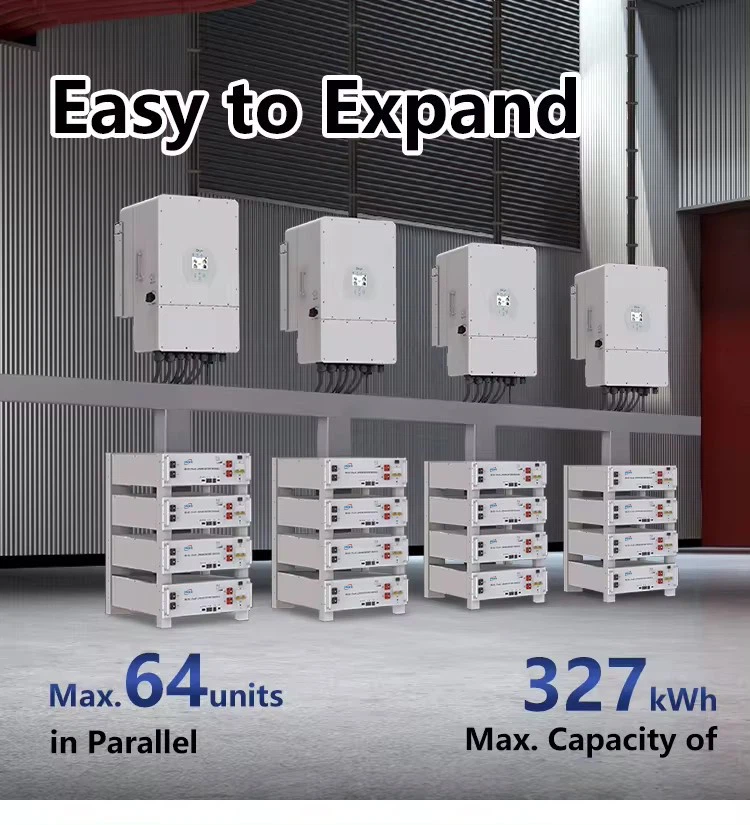
- Modular design, easy to expand, Max.64 units in parallel, Max. capacity of 327kwh.

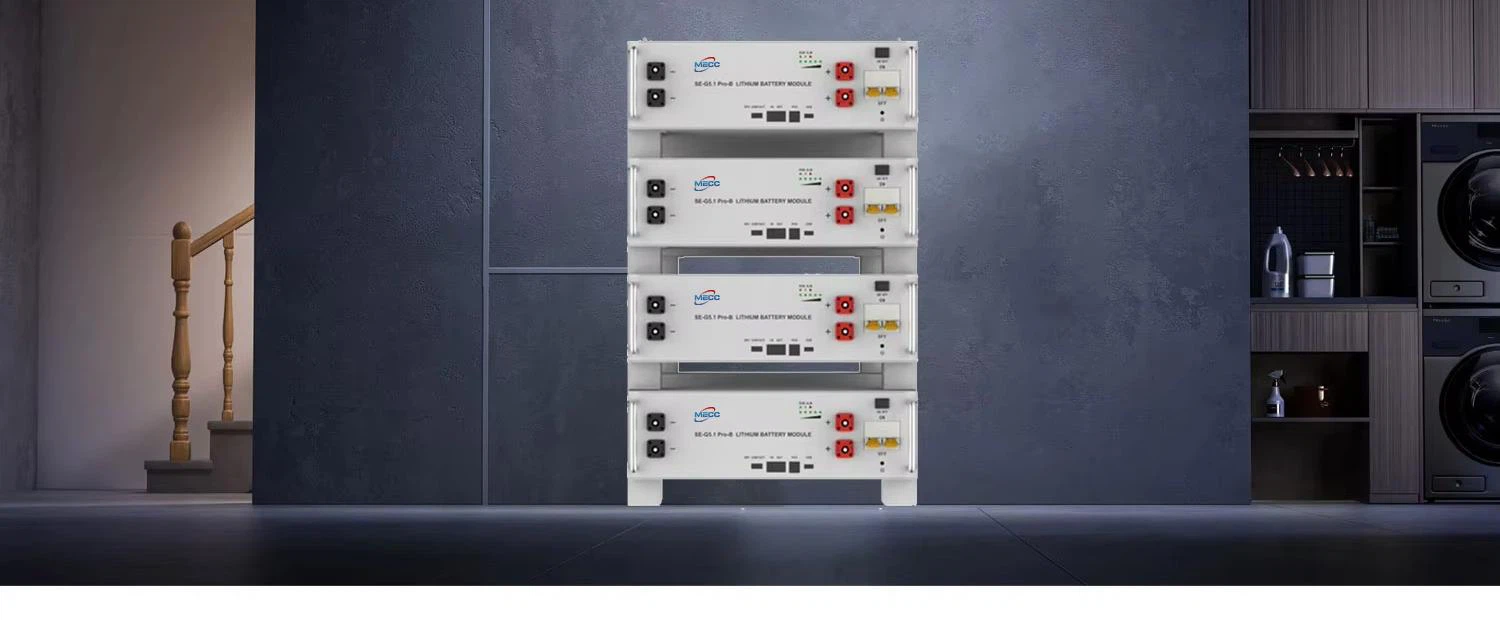
Which is designed for residential and
commercial energy storage applications.
|
Model
|
MECC-51.2-100
|
Weight Approximate(kg)
|
45
|
|
Main Parameter
|
Master LED Indicator |
5LED(SOC:20%~SOC100%),3LED (working, alarming, protecting) |
|
Battery Chemistry
|
LiFePO4
|
IP Rating of Enclosure
|
IP20
|
|
Capacity (Ah)
|
100
|
Operating Temperature
|
Charge: 0~55℃ ( Optional heating: -20℃~55℃ ), Discharge: -20℃~55℃
|
|
Scalability
|
Max. 64 pcs pack (327kWh) in parallel (Max. 32 pcs no external setup)
|
Storage Temperature
|
0℃~35℃
|
|
Nominal Voltage (V)
|
51.2
|
Humidity
|
5%~95%
|
|
Operating Voltage(V)
|
43.2~57.6
|
Altitude
|
≤2000m
|
|
Energy (kWh)
|
5.12
|
Cycle Life
|
≥6000(25℃±2℃,0.5C/0.5C,90%DOD,70%EOL)
|
|
Usable Energy (kWh)
|
4.6
|
Installation
|
Wall-Mounted, Floor-Mounted, Rack-Mounted (19-inch standard cabinet, cabinet depth ≥600mm )
|
|
Charge/Discharge Current (A)
|
Recommend 50
|
Communication Port
|
CAN2.0, RS485
|
|
Other Parameter
|
Warranty Period |
10 years
|
|
Recommend Depth of Discharge
|
90%
|
Energy Throughput
|
16MWh@70%EOL
|
|
Dimension (W/H/D, mm)
|
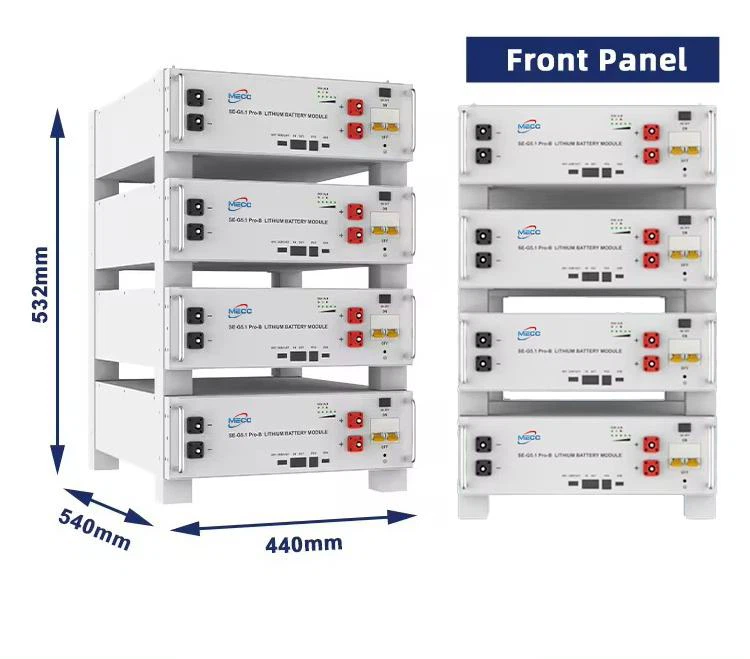
440*133*540
|
Certification
|
UN38.3, IEC62619, CE,UK, VDE2510-50, CEI 0-21, FCC, UL1973, UL9540A
|
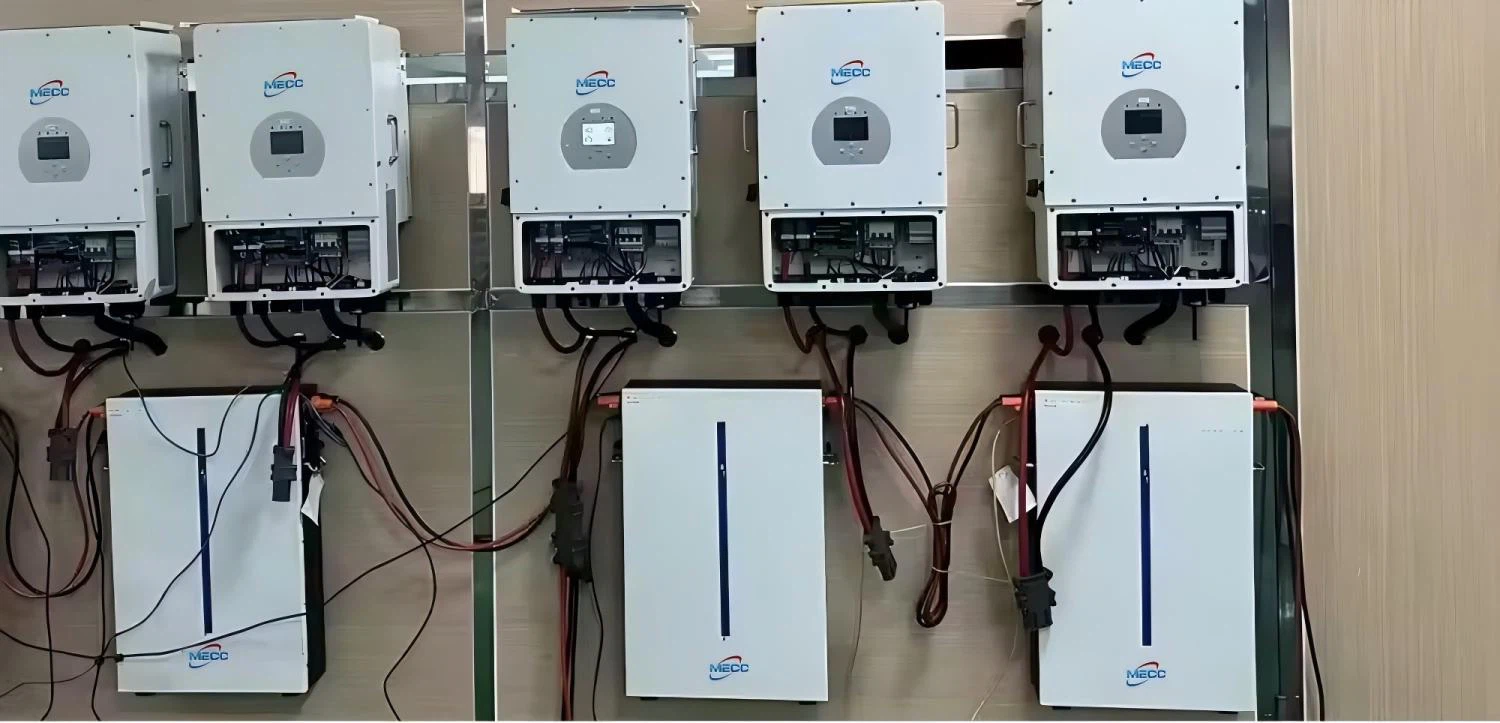
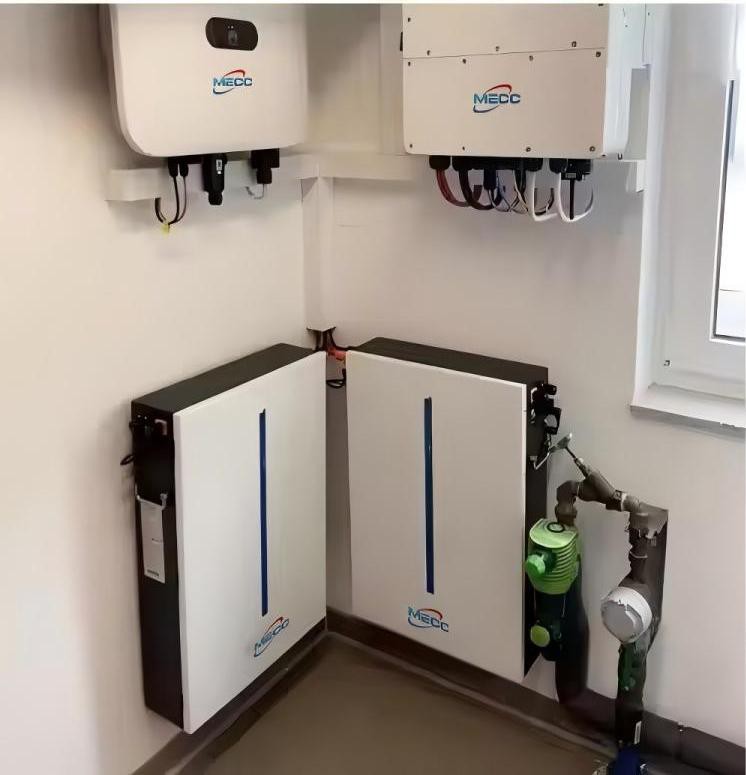
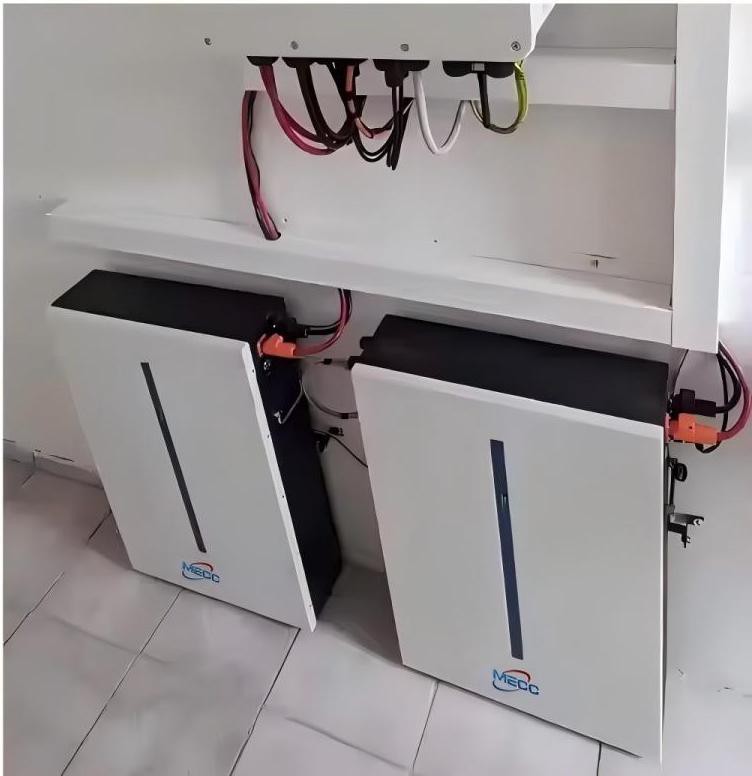
In a residential setting, a rack-mounted lithium battery provides backup power during grid outages, supports energy management, and can be integrated with renewable energy systems. It reduces energy costs and enhances energy independence.
During low solar generation, a rack-mounted lithium battery releases stored energy to meet the load demand. If the battery is depleted, it can draw power from the grid, ensuring a continuous power supply.
In a renewable energy system, a rack-mounted lithium battery stores excess energy generated by solar panels or wind turbines. This stored energy can be used during periods of low generation or high demand, ensuring a stable and continuous power supply.