It is highly reliable. Its combination of advanced materials, precise manufacturing processes, and intelligent management systems results in a power source that can be depended upon. It has a low failure rate and can consistently provide stable power, minimizing disruptions and downtime in critical applications. In hospitals, where a reliable power supply is a matter of life and death for patients relying on life support systems and other medical equipment, it offers a dependable source of energy. In telecommunications towers, it ensures continuous operation of the communication networks, preventing service outages that could have far-reaching consequences for emergency services and the general public's ability to communicate.
It has a long shelf life. Even when stored for an extended period without being used or charged, it retains its capacity and performance characteristics. This makes it an ideal choice for backup power applications or for situations where the battery may need to be stored for future use. In military installations, where backup power systems may need to be on standby for long periods in case of emergencies, it can be stored for months or even years and still be ready to provide power when called upon. In remote weather stations, it can be left unattended for long durations and still function properly when needed to transmit weather data.
The design of the battery cells and the overall battery pack takes into account factors such as mechanical stability and vibration resistance. The cells are designed to withstand the rigors of transportation and use in various applications. Reinforced casings and internal structures are used to provide mechanical protection. Additionally, vibration damping materials may be incorporated to reduce the impact of vibrations on it's components. This is especially important for applications such as electric vehicles and portable power tools that are subject to significant vibrations during operation.
The production process includes a step for aging the battery cells. After the initial formation process, the cells are stored and monitored for a period of time. This allows any potential defects or instabilities to manifest and be detected. The aging process helps to improve the reliability and consistency of it's performance. During aging, the cells are periodically tested for their capacity and self-discharge rate. Any cells that show abnormal behavior are further investigated or discarded.
|
Model |
48100 |
48200 |
|
Specification |
48V100Ah |
51.2V200Ah |
|
Combination |
15S1P |
16S1P |
|
Capacity |
4.8KWh |
10.24KWh |
|
Standard discharge current |
50A |
50A |
|
Max. discharge current |
100A |
100A |
|
Working voltage range |
40.5-54VDC |
40.5-54VDC |
|
Standard Voltage |
48VDC |
51.2VDC |
|
Max. charging current |
50A |
100A |
|
Max. charging voltage |
54V |
54V |
|
Cycle |
3000~6000cycles @DOD 80%/25℃/0 . 5C |
|
|
Operating temperature |
-10~+50℃ |
|
|
Working altitude |
≤2500m |
|
|
Installation |
Wall mount/Stacked |
|
|
Warranty |
5~ 10 Years |
|
|
Communication |
Default: RS485/RS232/CAN Optional :WiFi/4G/Bluetooth |
|
|
Certified |
CE ROHS FCC UN38 .3 MSDS |
|


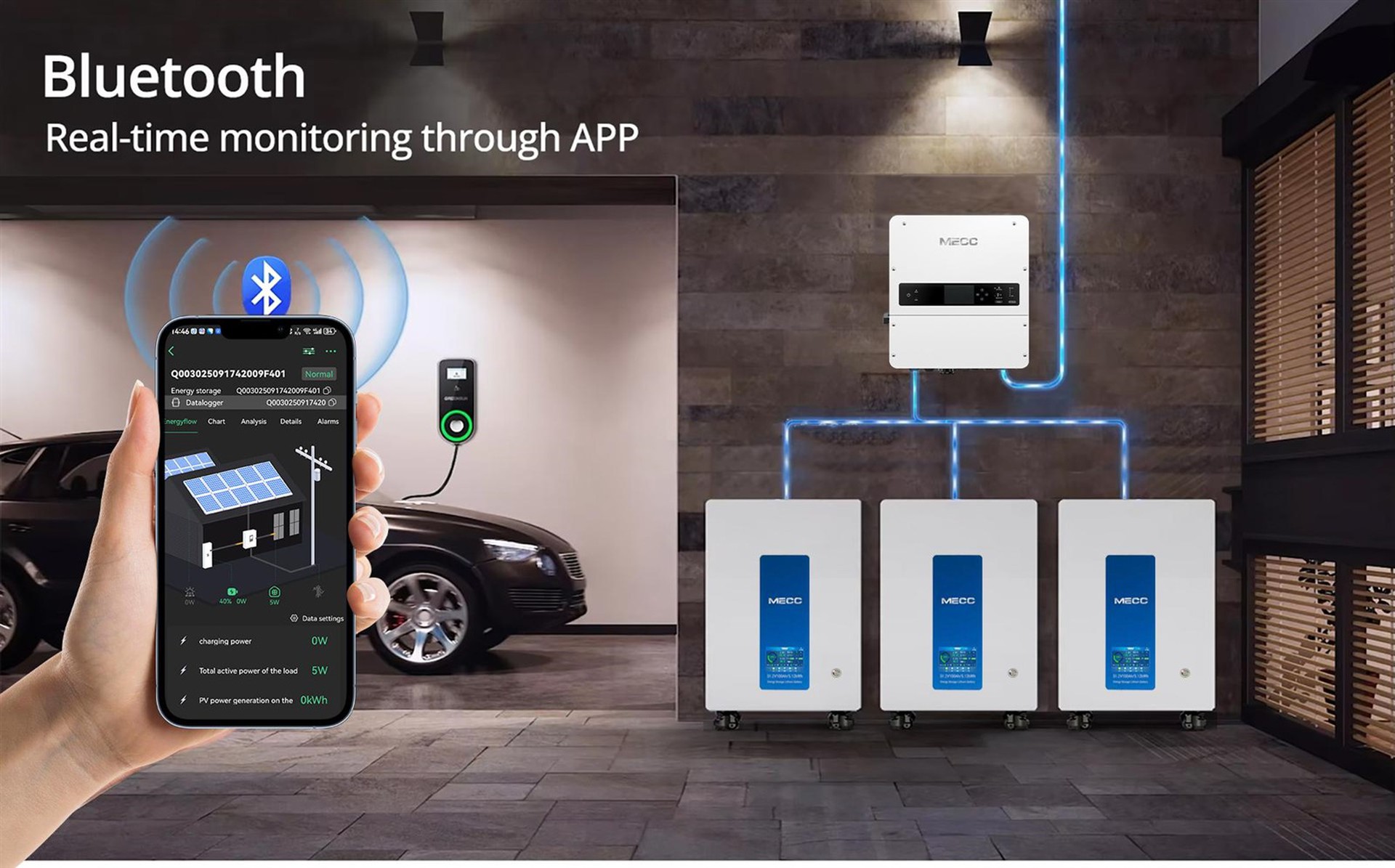
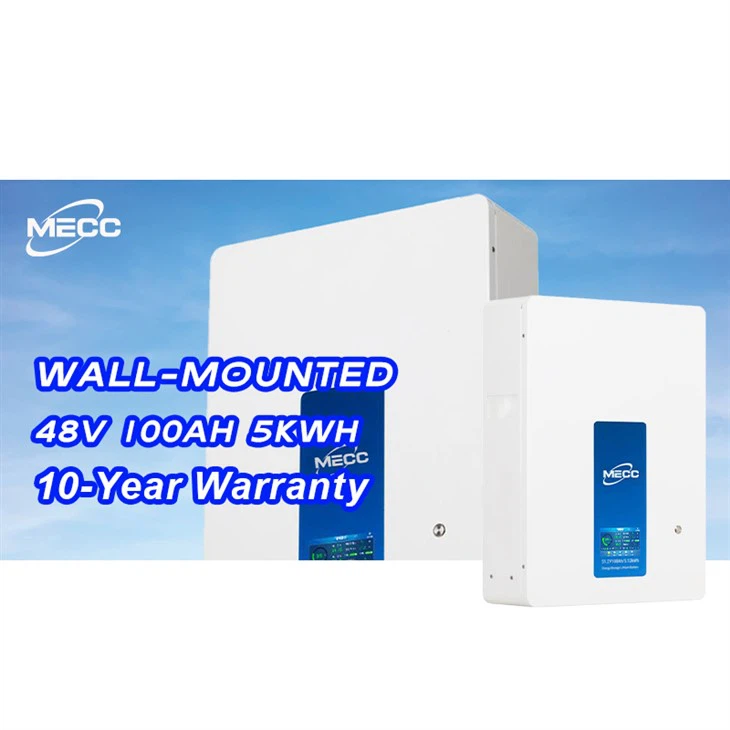
Power wall 48V 100AH


Stacked 48V 100AH


Vertical 48V 200AH