It has a low internal resistance. This property enables it to deliver high currents when required, ensuring a rapid response and efficient power transfer. It is especially important for applications that demand sudden bursts of power, such as electric vehicles during acceleration or power tools during heavy-duty operations. In a high-performance electric sports car, its low internal resistance allows for quick acceleration from a standstill, providing an exhilarating driving experience. In a professional-grade drill, it delivers the necessary power to bore through tough materials without any lag or loss of performance.
Its design allows for easy integration into existing power systems. Its standardized voltage levels and connection interfaces make it compatible with a variety of electrical components and circuits. This simplifies the upgrade or replacement process for older battery systems, reducing the complexity and cost of system modifications. In a building's electrical infrastructure upgrade to incorporate more renewable energy sources and energy storage, it can be seamlessly integrated into the existing power distribution network, working in harmony with other components such as inverters and transformers. In a marine vessel's electrical system, it can replace traditional batteries with minimal changes to the wiring and control systems, enhancing the vessel's power capabilities and energy efficiency.
The production line for it is highly automated to ensure consistency and high production efficiency. Robotic arms and automated conveyors are used to handle the various components and perform tasks such as material handling, assembly, and inspection. The automation not only speeds up the production process but also reduces the risk of human error. However, human operators are still involved in quality control and supervision to ensure the overall quality of the product. The production line is designed to be flexible, allowing for adjustments and upgrades to meet changing market demands and technological advancements.
The raw materials used in the production of it are carefully sourced and tested. The quality of the lithium, cobalt, nickel, and other materials directly affects it's performance and safety. Suppliers are selected based on their reputation and ability to provide consistent quality materials. The incoming raw materials are subjected to strict quality inspections, including chemical analysis and physical property tests. Any substandard materials are rejected to prevent them from entering the production process.
|
Model |
48100 |
48200 |
|
Specification |
48V100Ah |
51.2V200Ah |
|
Combination |
15S1P |
16S1P |
|
Capacity |
4.8KWh |
10.24KWh |
|
Standard discharge current |
50A |
50A |
|
Max. discharge current |
100A |
100A |
|
Working voltage range |
40.5-54VDC |
40.5-54VDC |
|
Standard Voltage |
48VDC |
51.2VDC |
|
Max. charging current |
50A |
100A |
|
Max. charging voltage |
54V |
54V |
|
Cycle |
3000~6000cycles @DOD 80%/25℃/0 . 5C |
|
|
Operating temperature |
-10~+50℃ |
|
|
Working altitude |
≤2500m |
|
|
Installation |
Wall mount/Stacked |
|
|
Warranty |
5~ 10 Years |
|
|
Communication |
Default: RS485/RS232/CAN Optional :WiFi/4G/Bluetooth |
|
|
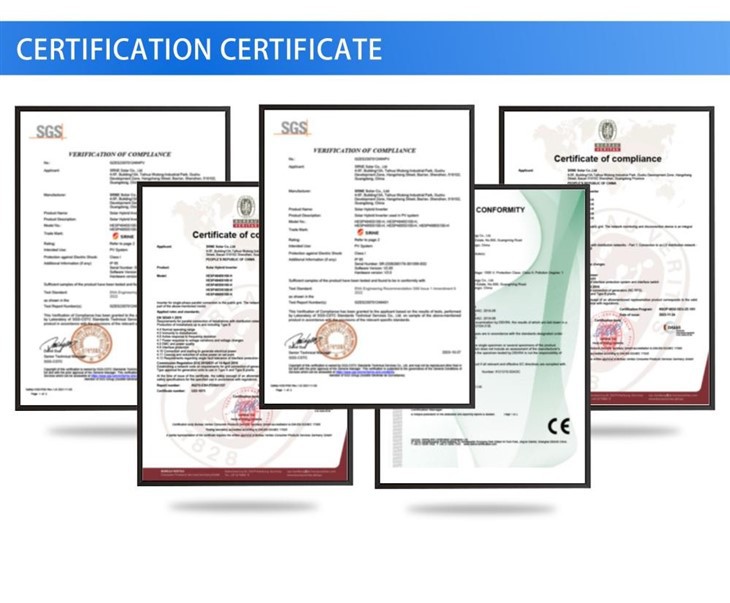
Certified |
CE ROHS FCC UN38 .3 MSDS |
|


Power wall 48V 100AH


Stacked 48V 100AH


Vertical 48V 200AH


