


(1) Production process selection
Choosing the appropriate production process is a crucial step in ensuring product quality and performance in the manufacturing process of high-voltage boxes for energy storage battery systems. The common production processes are diverse and rich, each with its unique advantages and applicable scenarios.
The injection molding process is like a magical "shaping master" who can accurately shape plastic raw materials into various complex shapes. Taking special engineering plastic polyphenylene sulfide (PPS) as an example, it has many advantages such as high strength, heat resistance, radiation resistance, flame retardancy, and excellent electrical insulation performance. PPS can be made into components such as upper and lower covers, positive and negative electrode insulation plates for energy storage batteries through injection molding technology. This process not only achieves the integration of metal and plastic structures, making product quality lighter, but also fully highlights PPS's excellent resistance to battery thermal stress and electrical insulation performance. Moreover, the injection molding process has high production efficiency and is suitable for large-scale production, which can meet the growing demand for high-voltage boxes in energy storage battery systems in the market.

Die casting technology is like a strongman, quickly pressing liquid metal into the mold cavity through high pressure. After the metal cools and solidifies, high-precision and high-strength molded parts can be obtained. In the field of energy storage, die-casting technology is commonly used to manufacture components such as battery trays. For example, Guangdong Hongtu's integrated battery bottom plate die-casting products are widely used in various new energy vehicle models and energy storage equipment. This process can reduce the number of components, lighten the overall weight, while improving production efficiency and lowering production costs. Moreover, the components formed by die-casting have high dimensional accuracy and good surface quality, which can provide reliable mechanical support and protection for the high-voltage box of the energy storage battery system.
In addition to injection molding and die-casting processes, there are other processes that also play an important role in the production of high-voltage boxes for energy storage battery systems. For example, sheet metal processing technology can be used to manufacture components such as the outer shell of high-pressure boxes, but it also has some limitations, such as the possibility of differences between the market sheet size and the required product size, which can easily lead to material waste, long machining time, and limited output. When manufacturers choose production processes, they need to comprehensively consider various factors such as their own technical strength, equipment conditions, cost budget, and specific product requirements, weigh the advantages and disadvantages of various processes, and select the most suitable production process to achieve efficient and high-quality production goals.
(2) Key points of quality control
In the production process of high-voltage boxes for energy storage battery systems, strict quality control is a key defense line to ensure product quality and safety, and any negligence in any link may bury safety hazards.
Dimensional accuracy is one of the important aspects of quality control, just like the cornerstone of a building, which directly affects the assembly and performance of high-voltage boxes. Taking the liquid flow frame plate of a liquid flow energy storage battery as an example, if the thickness error of the injection molded product is too large, the accumulated error after stacking multiple layers of frame plates will further increase, which may cause local protrusions or depressions in the frame plate. During parallel compression, cracks are prone to occur in protruding areas, while liquid leakage may occur in concave areas, ultimately leading to the scrapping of the core. Therefore, in the production process, high-precision molds and advanced processing equipment must be used to strictly control the dimensional accuracy of each component and ensure that it meets the design requirements. At the same time, it is necessary to regularly inspect and maintain the molds, promptly identify and repair problems that may affect dimensional accuracy, to ensure the stability and consistency of product dimensions.
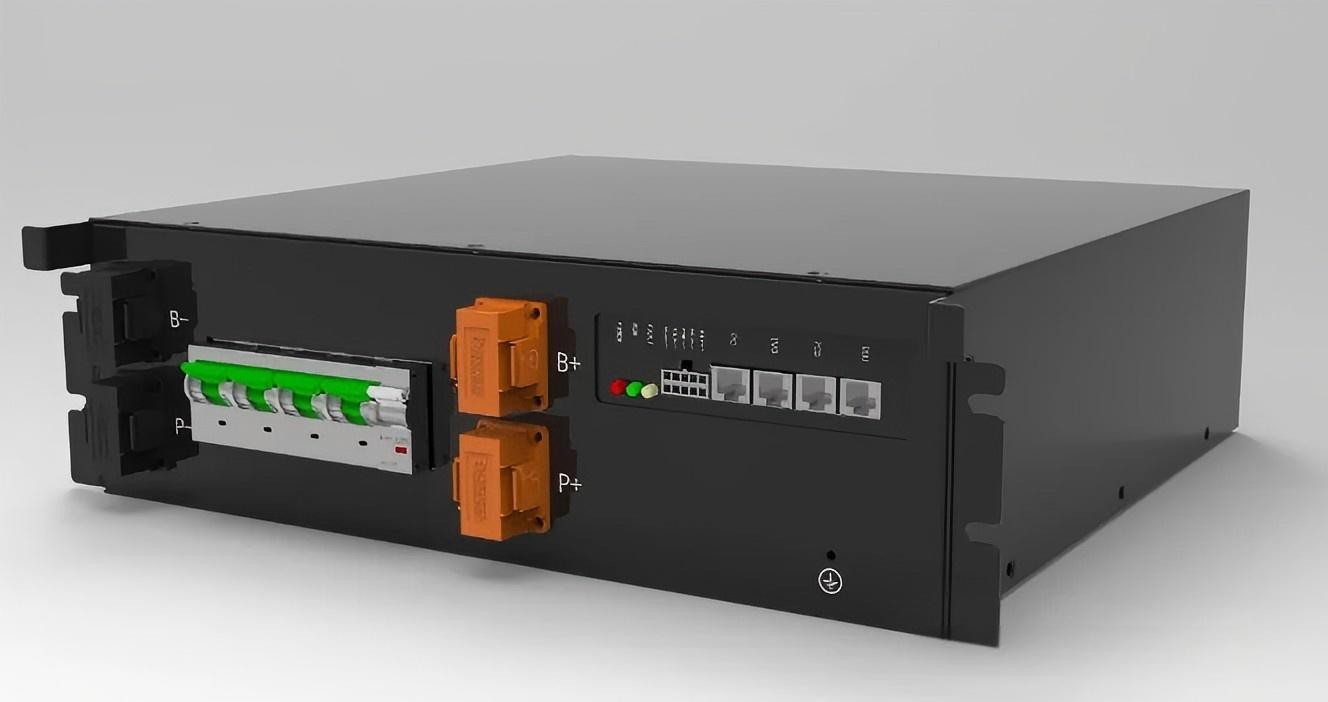
Welding quality is also of paramount importance in quality control. In high-voltage boxes, many components need to be connected by welding, and the quality of welding directly affects the reliability of electrical connections and the stability of the overall structure. Common welding defects such as pores and cracks may increase the resistance of the welding area, posing a risk of heating or even melting when high currents pass through, and seriously threatening the safe operation of high-voltage boxes. In order to ensure welding quality, strict evaluation of the welding process is necessary first. Based on different welding materials and requirements, appropriate welding process parameters such as current, voltage, welding speed, etc. should be formulated. At the same time, welding personnel must possess corresponding qualifications and rich experience, and strictly follow the welding process specifications for operation. During the welding process, it is necessary to strengthen real-time monitoring of welding quality and adopt advanced detection technologies such as ultrasonic testing, radiographic testing, etc., to promptly detect and handle welding defects. In addition, a comprehensive welding quality traceability system should be established to record the welding parameters, operators, and other information of each welding point, so that quality problems can be quickly traced and analyzed.
The reliability of electrical connections cannot be ignored. There are many electrical connection points in the high-voltage box, such as the connection between terminal blocks and wires, and the connection between electrical components. These connection points must ensure good contact and stable resistance. If the electrical connection is not reliable, it may lead to an increase in contact resistance, resulting in heat generation, and in severe cases, may cause a fire. During the production process, it is necessary to strictly control the crimping process of the wiring terminals to ensure that the wires are tightly connected to the wiring terminals and that the resistance after crimping meets the standard requirements. At the same time, sufficient protection should be provided for electrical connection points by wrapping them with insulating materials to prevent a decrease in electrical connection performance due to factors such as moisture and dust. In addition, after the product assembly is completed, a comprehensive test should be conducted on the electrical connections of the entire high-voltage box, including conductivity testing, insulation resistance testing, etc., to ensure the reliability and safety of the electrical connections.
In the production and manufacturing process of high-voltage boxes for energy storage battery systems, every link is related to the quality and safety of the product. Only through strict quality control and striving for excellence in various aspects such as dimensional accuracy, welding quality, and electrical connections, can high-quality and high-performance high-voltage boxes be produced, providing a solid and reliable guarantee for the stable operation of energy storage systems.
