


The core competitiveness of container energy storage lies in the flexible expansion capability brought by "modularization". The global project achieves seamless expansion from single cabin 1MWh to cluster GWh level through standardized cabin design, plug and play interface, and cluster collaborative control. This flexible deployment mode not only meets the high-capacity requirements of power grid peak shaving, but also adapts to small-scale applications in distributed scenarios, reshaping the construction and operation logic of energy storage systems.
1 Standardization of Single Cabin: Innovation of Basic Units for Expansion
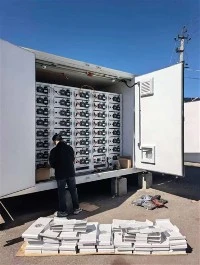
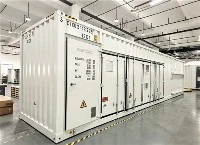
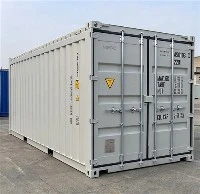
China's "20 foot standard cabin" design. The 20 foot container energy storage system (1.25MWh/hold) of a certain enterprise adopts standardized dimensions (6m in length, 2.4m in width, and 2.6m in height), compatible with both sea and road transportation, with a single hold weight controlled within 30 tons (in compliance with road load limit standards). The internal battery cluster adopts a "drawer style" design, and a single battery pack (50kWh) can be independently plugged in and out, with a replacement time of less than 30 minutes, which is 80% shorter than traditional fixed installation. The 100MWh project of a wind farm in Gansu Province, through the parallel connection of 20 standard cabins, only took 15 days from entry to grid connection, shortening the construction period by 60% compared to civil energy storage.
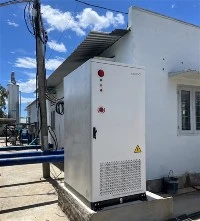
The "highly integrated microcavity" solution in Europe. Develop a 10 foot micro container (250kWh) for distributed scenarios, integrating batteries PCS, The temperature control and fire protection system are integrated, occupying an area of only 20 square meters. Adopting "modular PCS" (50kW/module), supporting N+1 redundancy, the system can still maintain 80% output in the event of a single module failure. The 5MWh project in a certain industrial park in Germany utilizes 20 micro cabins arranged in a dispersed manner, which not only utilizes fragmented space but also reduces line losses, resulting in a 5% increase in comprehensive energy efficiency compared to centralized solutions.

2 Cluster control: intelligent scheduling for multi cabin collaboration
The "master-slave cluster" architecture in the United States. The 1GWh energy storage cluster adopts a master-slave mode of "1 central controller+100 cabin level controllers". The central controller issues instructions through a fiber optic ring network (transmission rate of 1Gbps), and the cabin level controller responds with a delay of<10ms. Its "power dynamic allocation" algorithm automatically adjusts the charging and discharging power (deviation<2%) based on the SOC (state of charge) and health of each cabin to avoid overcharging and overdischarging of individual cabins. In a photovoltaic distribution and storage project in Texas, the cluster controlled the response deviation of each compartment within 500kW under a power command of 100MW, meeting the strict requirements of the power grid for accuracy.
Australia's' Peer to Peer Network Cluster 'technology. For off grid energy storage clusters in remote areas, wireless Mesh networks are used to build peer-to-peer communication, where each container serves as both a control node and an execution unit, with no single point of failure risk. When a fault is detected in a certain cabin, the remaining cabin automatically reconstructs the communication link (reconstruction time<1 second) and reallocates power. The 50MWh off grid system in a certain mining area maintained 80% output even after three cabin failures, ensuring the continuous operation of mining equipment.

3 Cross scenario adaptation: expansion strategy from the power grid to the user side
The "stepped expansion" mode on the power grid side. A power grid side energy storage project in the UK adopts a step-by-step expansion of "initial 200MWh+later 800MWh". The first phase of the project meets peak shaving needs, and the second phase is gradually put into operation according to load growth. By reserving cabin foundations and cable channels, the construction cost of Phase II can be reduced by 20% without affecting the operation of Phase I. This model shortens the investment return cycle of the project from 12 years to 8 years, adapting to the gradual growth of power grid load.
Expansion of "on-demand leasing" on the user side. The "energy storage leasing" service launched in Singapore allows enterprises to lease 100MWh containers of energy storage on a quarterly basis (with a minimum lease period of 3 months), and flexibly increase or decrease the number of cabins according to the demand during the peak production season. The leasing platform achieves rapid allocation of cabin space (delivery within 24 hours) through digital management (GPS positioning, remote monitoring). A certain electronics factory rented 5 cabins (500MWh) during the peak order season, saving 30% of costs compared to self built energy storage and avoiding idle equipment during the off-season.
The modular expansion of container energy storage is upgrading from "physical splicing" to "digital collaboration". In the future, with the application of 5G slice (low delay communication) and digital twin (full life cycle simulation), the cluster system will be able to achieve "predictive expansion" - scheduling the cabin in advance according to the load forecast, so that the energy storage capacity is always accurately matched with the demand, which not only ensures power supply reliability, but also avoids resource waste.