



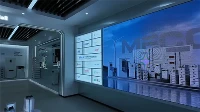

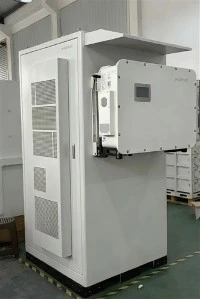
MECC, a trusted supplier of lithium battery energy storage systems for global installers, distributors and EPC contractors, has opened its purpose-built energy storage demonstration hall to support international partners evaluating low-voltage and high-voltage energy storage solutions. The new display space lets visitors observe live-running residential energy storage units and commercial energy storage systems side by side, compare system layouts, and clarify technical differences between low voltage ESS and high voltage ESS for diverse project requirements.
The demo hall is designed to remove common barriers that B2B buyers face when selecting battery storage equipment. Many overseas engineering teams and resellers need clear, real-world references before placing bulk orders or submitting project quotations. Static product datasheets often cannot fully show how each storage stack interacts with inverters, monitoring platforms and backup loads. By putting operational units on display, MECC gives partners a direct view of how each solution performs under typical working conditions. Every exhibit is wired for demonstration mode, with safe, controlled power flow for live testing and function verification.
Core Highlights of the MECC Energy Storage Demo Hall
The exhibition area separates product lines by application scenario, making it easy for guests to navigate according to their target market. The residential energy storage zone features compact, wall-mounted and floor-standing low-voltage battery systems built for rooftop solar pairing, household peak shaving and emergency power backup. These units follow widely adopted installation standards for home solar projects across Europe, Australia and Southeast Asia. Visitors can check module connections, communication ports and local display interfaces, and learn about commissioning workflows for residential installers.
Adjacent to the home storage section sits the commercial and industrial energy storage display area. This zone showcases scalable high-voltage battery systems intended for factory load management, commercial peak shaving, microgrid deployment and off-grid industrial sites. Unlike small residential batteries, these high voltage ESS stacks support parallel expansion to match larger energy capacity demands. MECC's technical team on-site can walk guests through cabinet structure, BMS coordination and high-voltage safety interlock logic. This hands-on viewing experience helps distributors judge product suitability before bidding on C&I storage projects.
A key feature presented throughout the hall is the clear distinction between MECC low voltage energy storage and high voltage energy storage offerings. Low voltage systems carry lower on-site safety training requirements, simpler installation procedures and strong fit for small residential retrofits. High voltage systems deliver higher round-trip efficiency, reduced cable loss and better economic returns for larger commercial solar plus storage projects. Instead of pushing one standard product for all customers, MECC structures the demo to guide partners to match voltage class with project size, local grid code and installer certification rules. This flexible product positioning has become a major differentiator for its overseas B2B channel.
Technical Advantages Demonstrated On-Site
All displayed energy storage systems run on MECC's self-developed battery management system. The BMS continuously monitors cell voltage, temperature and current across each battery pack, implementing active balancing and multi-layer protection triggers. During live demonstrations, visitors can access real-time state of charge, system power output and fault alarm logs through the local touchscreen and remote cloud monitoring dashboard. This transparency helps EPC partners validate system reliability and understand remote after-sales support workflows.
Thermal management is another focus of the demo presentation. For high-density C&I battery cabinets, the integrated cooling design maintains stable operating temperature during continuous charging and discharging cycles. MECC engineers explain how the thermal setup reduces cell aging and extends the cycle life of lithium iron phosphate batteries. For residential models, passive cooling structures keep maintenance demands low for end users and cut long-term service costs for installers. All systems on display comply with mainstream international safety certification standards required for energy storage products sold in target overseas markets.
Application Scenarios for Global Partners
The product lineup shown in the demo hall serves three primary buyer groups. Residential solar installers source MECC low voltage storage batteries for new solar setups and retrofit projects where homeowners want backup power during grid outages and reduced electricity bills through self-consumption. Small and medium commercial operators use high voltage ESS to lower demand charges and stabilise power supply at warehouses, retail sites and processing facilities. Off-grid project developers select scalable battery configurations for remote communities, telecom base stations and island microgrids with limited grid access.
Distributors also benefit from the demo hall when training their own sales and technical teams. New channel partners can bring in-house engineers to review product dimensions, wiring layouts and maintenance access points. This reduces misunderstanding during pre-sales communication and lowers the rate of on-site installation errors after shipment. MECC arranges guided technical tours for visiting delegations, with documentation packages that align with local grid compliance checklists in different regions.
Market Value for EPCs, Distributors and Installers
As global demand for solar battery storage continues to rise, buyers are looking for suppliers that can offer both residential and commercial energy storage under one stable supply chain. Many manufacturers specialise only in home storage or large containerised systems, leaving gaps for mid-sized C&I projects. MECC's dual low-voltage and high-voltage portfolio fills this gap, allowing channel partners to expand their service range without onboarding multiple battery vendors.
The demo hall also reinforces supply chain transparency. Prospective customers can confirm build quality, component layout and assembly consistency in person. This builds confidence for long-term framework orders, especially for buyers who need to audit suppliers before listing products or awarding multi-year project contracts. MECC's team uses the space to collect direct feedback from overseas visitors, feeding insights back into product firmware updates and packaging improvements for export shipments.
Looking Ahead
MECC will keep updating the energy storage demonstration hall with new product iterations and upgraded system configurations as the company releases enhanced residential and commercial energy storage solutions. Regular technical workshops for international partners will be hosted at the facility, covering grid code updates, system troubleshooting and best practices for solar and storage integration.
For overseas energy storage distributors, installers and EPC teams planning factory visits, MECC welcomes scheduled guided tours of the demo hall to explore low voltage and high voltage energy storage systems in operation. The company remains focused on delivering reliable, certifiable battery storage hardware and consistent technical support to support the steady growth of renewable energy storage adoption across global markets.