


Grid connected inverters, as the core equipment for achieving energy conversion and grid connection, have been widely used in multiple fields due to their flexible functions and reliable performance. From large-scale new energy generation to small-scale distributed energy systems, grid connected inverters play a key role in different scenarios, promoting efficient energy utilization and stable operation of the power grid.
Large scale centralized photovoltaic power station: achieving large-scale power transmission
Large centralized photovoltaic power stations are one of the important application scenarios for grid connected inverters. In areas with abundant light resources such as vast deserts and Gobi, centralized photovoltaic power stations convert solar energy into direct current by laying photovoltaic modules on a large scale. Grid connected inverters are responsible for converting a large amount of DC power into AC power that meets the requirements of the power grid, boosting it and connecting it to the high-voltage power grid to achieve long-distance power transmission.
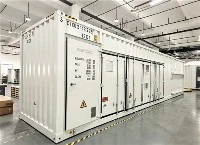
In such application scenarios, the power level, conversion efficiency, and reliability requirements for grid connected inverters are extremely high. Usually, megawatt level grid connected inverters are used, and the power of a single inverter can reach 1-5MW or even higher. To improve power generation efficiency, grid connected inverters need to have advanced maximum power point tracking (MPPT) technology, which can quickly and accurately find the maximum power point of photovoltaic modules based on environmental changes such as light intensity and temperature, ensuring that photovoltaic power plants can achieve efficient power generation under different working conditions. At the same time, due to the long-term exposure of the power station to the outdoors and harsh environmental conditions, grid connected inverters need to have good protective performance and heat dissipation capabilities to ensure the stable operation of the equipment. For example, in large photovoltaic power plant clusters in the Middle East, grid connected inverters can maintain stable working conditions in harsh environments such as high temperatures and sandstorms by adopting efficient heat dissipation designs and protective structures, providing a large amount of clean electricity to the local power grid.

Distributed photovoltaic power generation: achieving on-site consumption of electrical energy
Distributed photovoltaic power generation is widely used in industrial and commercial rooftops, residential areas, and other scenarios due to its flexible and decentralized characteristics. Grid connected inverters are key equipment for achieving on-site consumption of distributed photovoltaic energy. In the industrial and commercial field, many enterprises use idle factory roofs to install photovoltaic modules, convert photovoltaic energy through grid connected inverters, and connect it to the internal power grid of the enterprise to achieve self use and surplus electricity grid connection. This model not only reduces the electricity cost of enterprises, but also reduces their dependence on traditional power grids, while bringing certain economic benefits to enterprises. For example, a large manufacturing enterprise is building a distributed photovoltaic project on the roof of its factory building, installing multiple grid connected inverters adapted to different power requirements. The annual power generation can reach millions of kilowatt hours, meeting some of the enterprise's production electricity needs and saving hundreds of thousands of yuan in electricity bills every year.
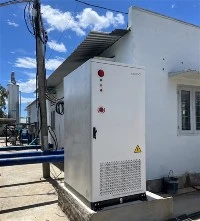
In residential scenarios, small grid connected inverters have become the core of household photovoltaic systems. Residents install photovoltaic modules and grid connected inverters on their roofs to convert solar energy into electricity and connect it to the household power system or distribution network. Household grid connected inverters usually have the characteristics of small size, easy installation, and simple operation. Some inverters are also equipped with intelligent monitoring functions. Users can view the power generation situation and revenue data in real time through a mobile app, achieving autonomous management and utilization of household energy. With the popularization of distributed photovoltaic power generation, the requirements for adaptability, intelligence, and reliability of grid connected inverters are constantly increasing, driving continuous innovation and product upgrades in related technologies.

Wind power generation system: ensuring stable power grid connection
In wind power generation systems, grid connected inverters also play an indispensable role. The frequency and voltage of the AC power generated by wind turbines are unstable, and it needs to be first converted into DC power through rectification devices, and then converted into AC power that meets the requirements of the grid through grid connected inverters to achieve stable grid connection of electricity. Due to the intermittency and fluctuation of wind speed, changes in wind speed can cause fluctuations in the output power of generators, which puts higher demands on the dynamic response capability and stability of grid connected inverters.
Grid connected inverters need to have fast power regulation capabilities, which can adjust the output power in a timely manner according to changes in wind speed, ensuring that the frequency and voltage of the output electrical energy are stable within the allowable range of the power grid. At the same time, in extreme working conditions such as low or high wind speeds, grid connected inverters must have reliable operating capabilities to ensure the normal power generation of the wind power generation system. In addition, the development of offshore wind power has put forward stricter requirements for grid connected inverters. In addition to meeting conventional performance indicators, they also need to have good moisture-proof and salt spray corrosion protection performance to adapt to the harsh environmental conditions of the ocean. For example, in a certain offshore wind farm project, the grid connected inverter used is designed with special protection and intelligent control technology to operate stably in strong sea winds, high humidity and other environments, effectively ensuring the reliable grid connection of offshore wind power.

Microgrid System: Achieving Flexible Energy Allocation
As a miniaturized and intelligent power system, microgrids can integrate various distributed energy sources (such as photovoltaics, wind power, energy storage, etc.) and loads, achieving autonomous control and flexible allocation of energy. Grid connected inverters play a core hub role in microgrid systems, responsible for converting the electrical energy generated by distributed power sources within the microgrid and connecting it to the main grid. At the same time, in the event of a main grid failure, they achieve islanding operation of the microgrid, ensuring continuous power supply for important loads within the microgrid.
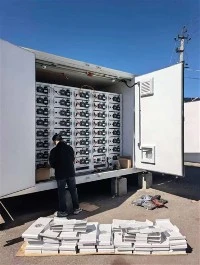
In microgrid systems, grid connected inverters need to work in conjunction with other devices such as energy storage systems, energy management systems, etc. When there is an excess of distributed power generation, the grid connected inverter can control the energy storage system to charge; When there is insufficient power generation or peak electricity consumption, the energy storage system releases electricity through grid connected inverters to supplement the power gap. At the same time, the energy management system sends control instructions to the grid connected inverters based on the energy supply and demand situation and grid status within the microgrid, achieving optimized scheduling and reasonable allocation of energy within the microgrid. For example, in a microgrid project in a remote area, grid connected inverters are combined with lithium battery energy storage systems and photovoltaic modules to generate and store excess electricity using solar energy during the day, and powered by the energy storage system at night or on cloudy days, achieving self-sufficiency in electricity in the area, improving energy utilization efficiency, and reducing dependence on the main grid.