



Among all the rate designs utilities use, critical peak pricing (CPP) is the most punishing - and the one a C&I battery energy storage system (BESS) is best positioned to defeat. CPP layers extreme, event-day prices on top of an already complex tariff, but a behind-the-meter / grid-tied battery turns those spike days into non-events. This guide explains what CPP is, why it stings, and how storage neutralizes it.
What Critical Peak Pricing Is
Under critical peak pricing, the utility keeps normal TOU tariff pricing most of the year but declares a small number of "critical" days - typically heat waves or grid emergencies - when the price per kWh jumps to several times the normal peak rate for a few hours. Sometimes these events also coincide with your highest peak demand, stacking a steep demand charge on top of the energy charge. A site might see only a dozen such events annually, yet they can distort the entire year's bill.
Why CPP Hurts So Much
The damage is concentrated. A facility that sails through normal months can get hammered on CPP days because it is both pulling grid power at the worst price and possibly setting a new demand peak. Unlike steady time-of-use arbitrage opportunities, CPP is sporadic and announced only hours ahead - which is exactly why manual responses fail and automated storage wins.
How Battery Storage Neutralizes It
A commercial battery storage solution neutralizes CPP the same way it handles any expensive window, just more decisively. The AI-based energy management system (EMS), watching the utility's event notice, pre-charges the battery from off-peak grid power or from commercial solar plus storage during the day. When the CPP window opens, the power conversion system (PCS) discharges to serve the load, while the battery management system (BMS) protects the cells. The grid sees far less draw during the most expensive hours, and the ruinous event-price barely touches your bill.
The Pre-Charging Strategy
CPP demands advance planning because the window is short and the price is extreme. The system charges to full before the event - often overnight at cheap rates, or from midday PV - so it has maximum energy to deploy. This is why how to size a commercial battery system for CPP centers on duration: the battery must cover the whole event window, not just a brief punch. A C&I energy storage sizing calculator run during a free site assessment maps the event length onto capacity built from standard 215 kWh commercial energy storage blocks.

Stacking With Your Other Savings
CPP response rarely travels alone. The same battery performs peak shaving and energy storage for demand charge management against your normal demand charge, runs time-of-use arbitrage on everyday spreads to capture energy arbitrage revenue, joins demand response for utility payments, and pairs with commercial solar plus storage so free sunlight - not bought power - fills the battery. In a microgrid setup it also covers outages. Stacking these streams is what makes battery storage ROI for businesses work, and the commercial solar plus storage economics improve with every layer.
Sizing for Critical Peak Events
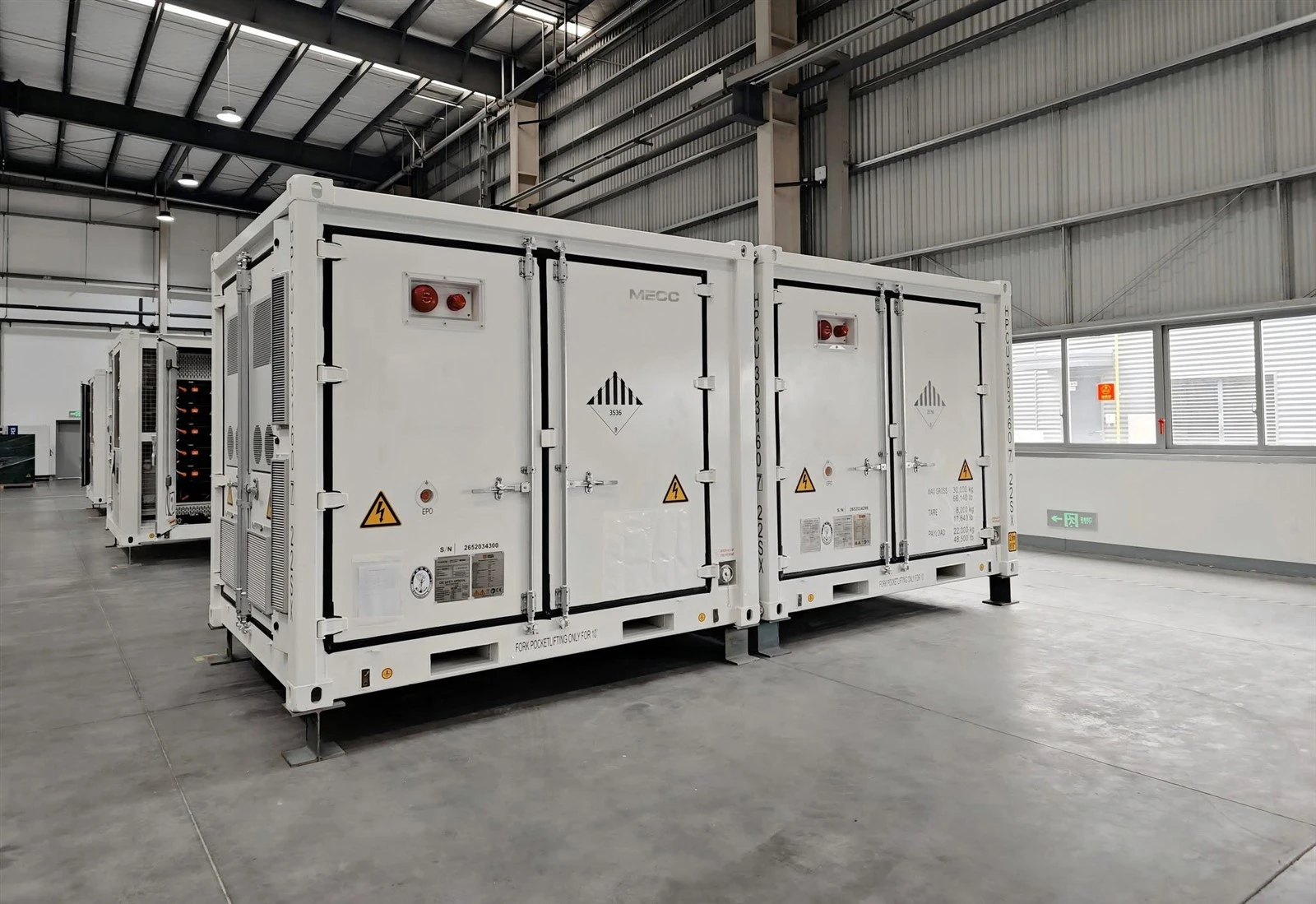
Because CPP events are short but price-extreme, sizing blends two logics: enough C-rate to serve load during the window, and enough duration to last the whole event. Capacity arrives as all-in-one cabinets, modular C&I BESS racks, or inside a containerized C&I BESS 20ft, scaled so a factory energy storage system or rooftop energy storage system is ready whenever the utility declares an event. Daily and event cycling make liquid-cooled vs air-cooled cooling and cycle life directly relevant - most systems use lithium iron phosphate (LFP) cells at 1500V DC for that durability.
Cost and Payback
The commercial energy storage cost per kWh sets your denominator; the avoided CPP charges plus your other savings set the numerator. Even a handful of neutralized events can materially strengthen the C&I energy storage payback period, because each one protects a disproportionately large slice of the annual bill.
Safety and Compliance
Any system beside an occupied building must clear UL 9540 / UL 9540A, NFPA 855, and IEC 62619 with regional CE / UKCA marks, and must include fire suppression and thermal runaway prevention. These protect the asset - and therefore the savings - across the system's life.
From Exposure to Quote
Compare best commercial energy storage systems 2026, weigh turnkey C&I energy storage against wholesale supply, and evaluate OEM/ODM energy storage manufacturer partners for custom builds. Ask top C&I BESS manufacturers for a transparent BESS price quote request that models CPP-event savings alongside your demand-charge and arbitrage savings.

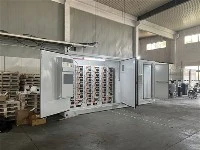
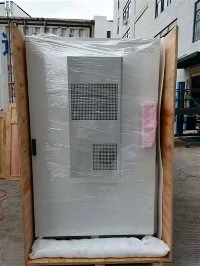
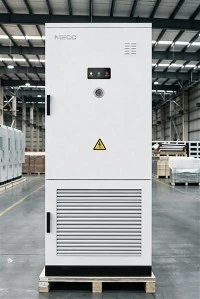
125KW 241kWh Battery Energy Storage System Cabinet
The BESS 125KW 241kWh Lithium Battery Energy Storage Cabinet is a high-power, large-capacity integrated energy storage solution engineered for medium-to-large commercial, industrial, and utility-scale applications. It integrates a 125kW high-performance bidirectional inverter, a 241kWh lithium iron phosphate (LiFePO4) battery bank, and a full-featured intelligent energy management system (EMS) into a modular cabinet design. This system enables efficient renewable energy storage, peak shaving, load shifting, grid frequency regulation, and emergency backup power supply. Ideal for large factories, shopping malls, industrial parks, utility-scale solar/wind farms, and microgrids, it enhances energy independence, reduces high grid demand charges, and supports the stable integration of high-penetration renewable energy into the grid.