


Every owner asks the same question before signing: how fast does a C&I battery energy storage system (BESS) pay back? The honest answer is "it depends on how many value streams you stack" - but that dependency is exactly what makes battery storage ROI for businesses predictable once you model it properly. This guide walks through what payback really measures, the levers that speed it up, and how to estimate your own C&I energy storage payback period before you issue a BESS price quote request.
What "Payback" Actually Measures
Simple payback is the time for cumulative savings to equal the installed cost. A more complete view adds lifetime value - net present value and internal rate of return - because a commercial battery storage solution keeps saving for years after break-even. Either way, the input on one side is your commercial energy storage cost per kWh (turnkey, all-in), and on the other side is the annual value the system creates.
The Value Streams That Drive ROI
The first and usually largest is peak shaving through energy storage for demand charge management. Trimming the peak that sets your demand charge often dwarfs every other saving on a C&I bill. The second is time-of-use arbitrage: charge on cheap overnight power, discharge into expensive afternoon windows, and capture energy arbitrage revenue from the spread - the heart of the commercial solar plus storage economics case when paired with PV.
The third is demand response: utilities pay commercial sites to shift or shed load during grid stress, and a behind-the-meter / grid-tied battery delivers that instantly without halting operations. The fourth is solar self-consumption, using midday commercial solar plus storage to cover evening load instead of exporting cheaply. The fifth is resilience - a microgrid or backup configuration keeps critical loads running, which has real balance-sheet value during outages. Stack two or three of these and payback compresses dramatically versus a single-use install.
Realistic Payback Periods
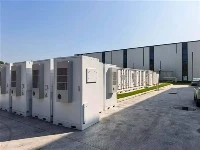
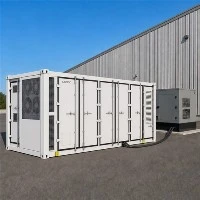
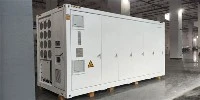
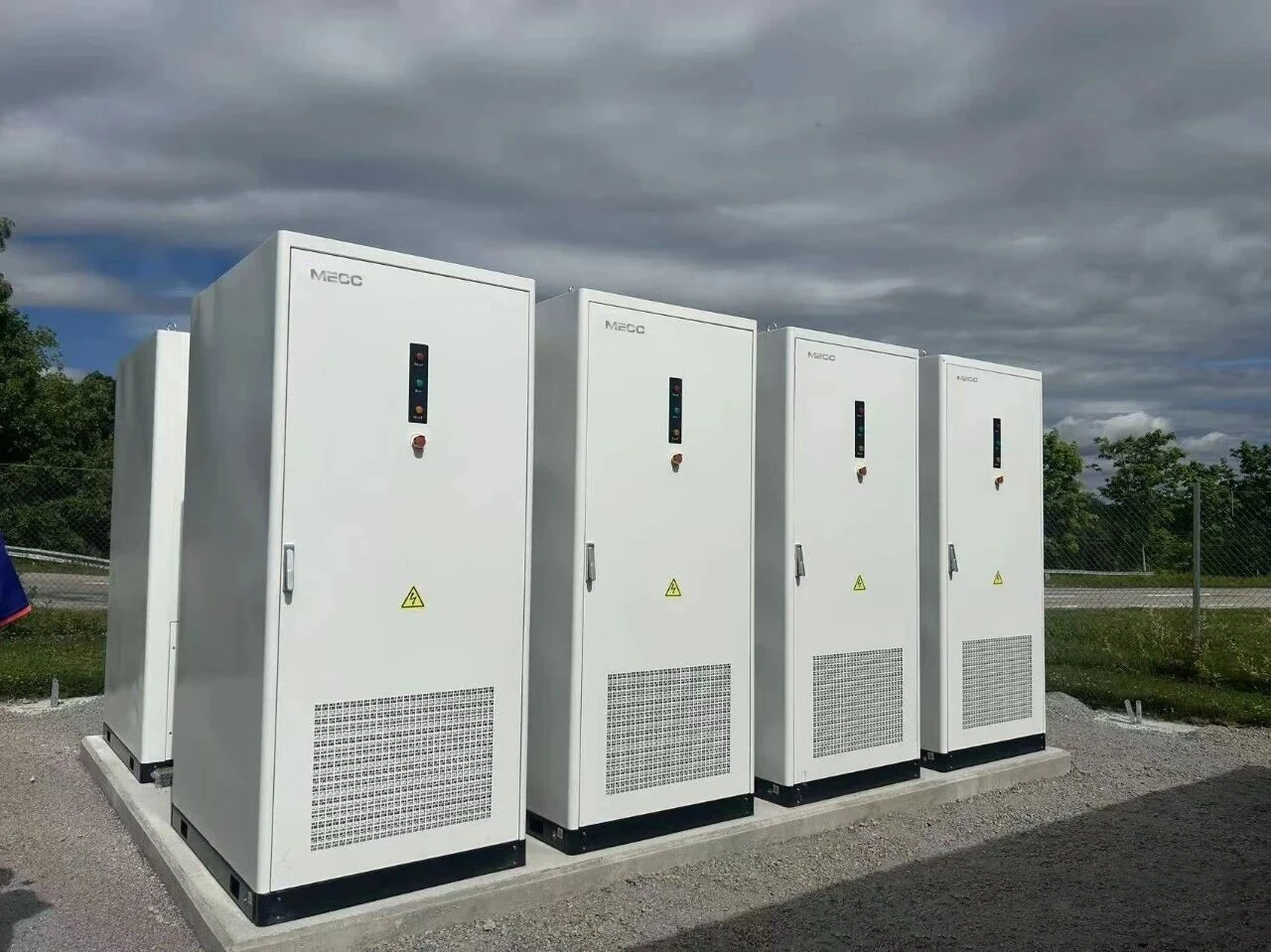
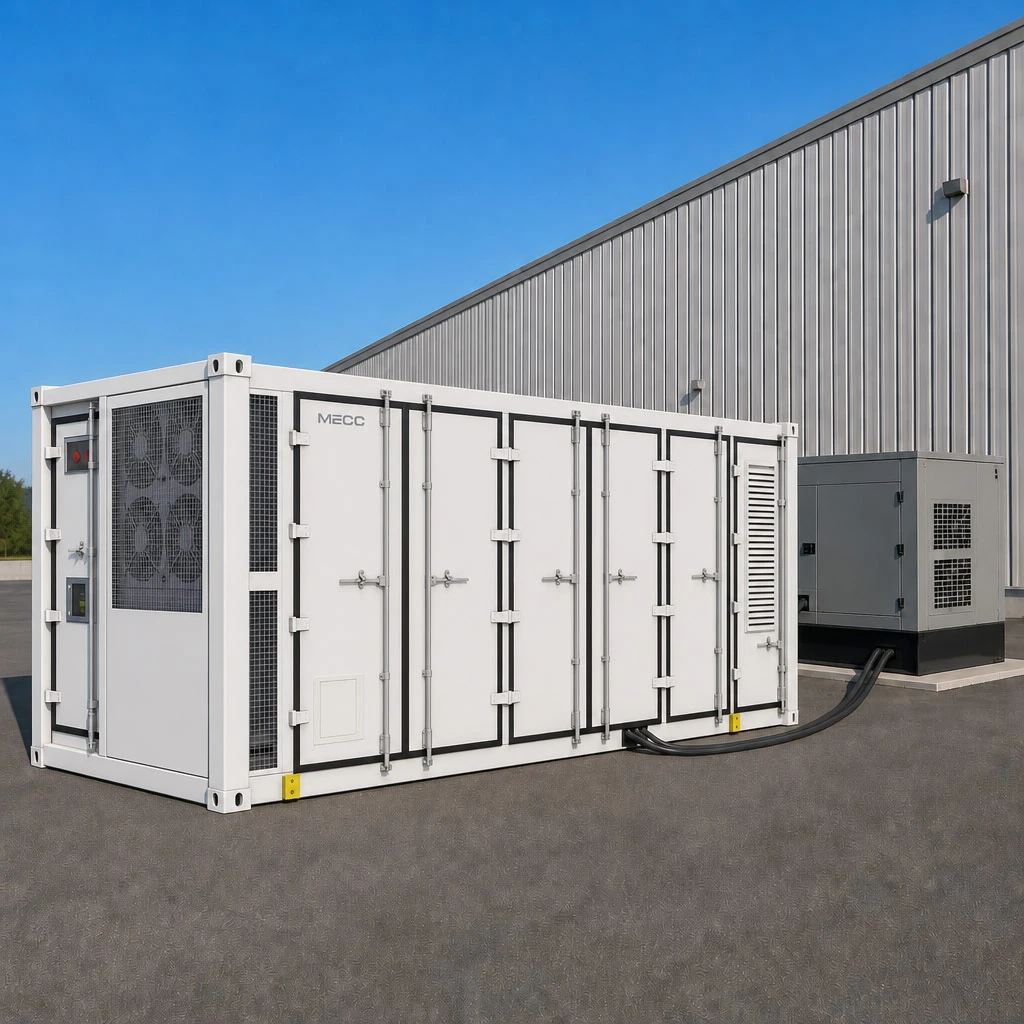
Planning benchmarks in 2026 commonly show multi-year simple payback for well-stacked systems, with the range widening by site. A compact 215 kWh commercial energy storage cabinet doing one job - say, demand-charge reduction at a stable load - sits at the longer end. A containerized C&I BESS 20ft or modular C&I BESS deployment stacking peak shaving, arbitrage, and demand response, especially with commercial solar plus storage, lands at the shorter end. The spread is wide precisely because the value mix varies so much by tariff and load shape.
Levers That Speed Payback
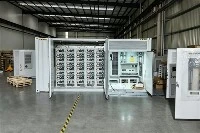
Scale is the first lever: larger, standardized all-in-one or modular blocks lower effective commercial energy storage cost per kWh and unlock more value streams at once. Incentives are the second: financing / tax incentives can remove a large slice of capital cost, shortening payback without changing the hardware. Lifetime is the third: liquid-cooled vs air-cooled choices that extend cycle life (most modern systems use lithium iron phosphate (LFP) cells at 1500V DC) improve returns over the full warranty. Stacking is the fourth and most powerful - every added stream is incremental margin on the same power conversion system (PCS), battery management system (BMS), and AI-based energy management system (EMS).
Modeling Your Own ROI
The only reliable number comes from your own interval billing data. A free site assessment plus a C&I energy storage sizing calculator sets the right C-rate and duration - the practical core of how to size a commercial battery system - and models savings per stream. A factory energy storage system with one sharp daily peak needs a different design than a rooftop energy storage system with long evening load, and the payback follows that design.
Safety and Compliance Protect the Return
A cheap system that fails is no bargain. Any credible install must clear UL 9540 / UL 9540A, NFPA 855, and IEC 62619 with regional CE / UKCA marks, and must include fire suppression, thermal runaway prevention, and cybersecurity controls. These protect both people and the asset - and therefore the ROI - over the system's life. Commercial battery storage safety is not a line item to skip.
Choosing a Supplier
Compare best commercial energy storage systems 2026, weigh turnkey C&I energy storage against wholesale supply, and evaluate OEM/ODM energy storage manufacturer partners for custom builds. Ask each vendor for a stacked-value savings model and a transparent BESS price quote request so you can compare top C&I BESS manufacturers on projected payback, not just sticker price.
Liquid Cooling 125KW 261kWh Lithium Battery Energy Storage Cabinet
The IP55 Protected All-in-One Solar Energy Storage Cabinet is a high-performance, integrated energy solution engineered for outdoor commercial, industrial, and utility-scale solar applications. It integrates a 125kW Power Conversion System (PCS), a 261kWh lithium iron phosphate (LiFePO4) battery bank, an advanced liquid cooling system, and a intelligent Battery Management System (BMS) into a single cabinet with IP55 weatherproof protection. Designed to withstand harsh outdoor environments while delivering efficient energy conversion and storage, it supports solar energy absorption, peak shaving, load shifting, grid auxiliary services, and emergency backup power. Ideal for utility-scale solar farms, industrial parks, large commercial complexes, and remote microgrids, it provides a reliable, space-saving, and low-maintenance solution for large-scale renewable energy integration.
