They have a better heat dissipation capacity. These advanced batteries are designed with enhanced heat dissipation features. They can effectively release heat generated during charging and operation, preventing overheating. This is crucial for high-power applications like electric racing cars, where excessive heat can degrade battery performance. In a high-speed electric racing event, the batteries' superior heat dissipation allows them to maintain peak performance throughout the race, providing the necessary power for the cars to reach top speeds and compete at their best.
They are fabricated with a roll-to-roll gravure printing process for flexible electronics. Gravure printing uses engraved cylinders to transfer ink or conductive pastes onto a flexible substrate in a continuous roll-to-roll process. This is highly efficient for mass-producing flexible circuits, sensors, and displays. In the production of flexible solar cells, the gravure printing can deposit the active layers and electrodes with high precision. In the wearable electronics market, it can produce the circuitry for smartwatches, fitness trackers, and clothing-integrated electronics. The ability to print on flexible substrates opens up new possibilities for creating innovative and conformable electronic products.
It's a cornerstone of quality in the power supply for railway systems. This establishment manufactures robust and reliable power supplies for trains and railway infrastructure. The production process adheres to strict safety and performance standards. Redundant power circuits are built-in to ensure uninterrupted operation, even in the event of a component failure. These power supplies are designed to handle the high vibrations and wide temperature ranges experienced during train travel. The facility has a railway simulation lab where the power supplies are tested under conditions mimicking actual train runs, from high-speed travel to long stops at stations. This safeguards the smooth operation of railways and the safety of passengers.
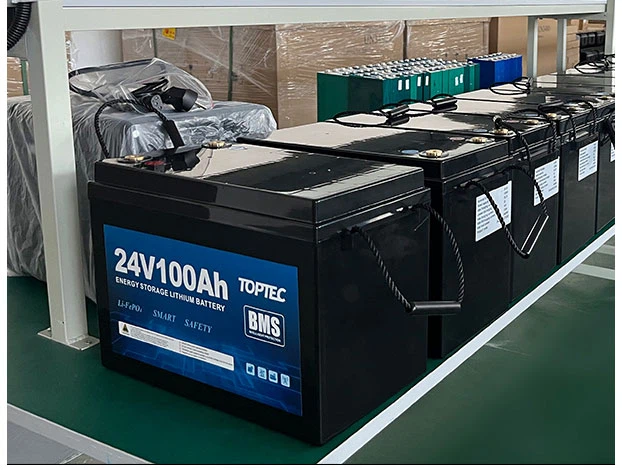
| Voltage | 12V/24V |
| Capacity | 100/200Ah |
| Cycle Life | >3000 cycles |
| Efficiency of Charge | 100% @0.5C |
| Efficiency of Discharge | 96~99% @1C |
| Charge Voltage | 14.6±0.2V |
| Charge Current | 60A |
| IP Class | IP65 |















FAQ
Q: How does the thermoplastic injection molding process for producing plastic parts work?
A: The thermoplastic injection molding process is a widely used method for manufacturing plastic parts. First, thermoplastic pellets are fed into a heated barrel. The barrel heats the pellets until they melt. Then, the molten plastic is injected under high pressure into a mold cavity. The mold is usually made of metal and has the desired shape of the part. Once the plastic fills the cavity, it cools and solidifies. The mold is then opened, and the finished plastic part is ejected. This process allows for high production rates and can produce parts with complex shapes. In the automotive industry, it's used to produce dashboard components, interior trim, and many other plastic parts. In the consumer electronics industry, it can produce phone cases, laptop housings, and other accessories. In the toy industry, it can create a vast variety of toys. The ability to mass-produce parts with consistent quality makes it a popular choice for many industries.
Hot Tags: 25.6v 100ah lifepo4 battery pack bms, China 25.6v 100ah lifepo4 battery pack bms manufacturers, suppliers, crv3 lithium battery, lithium phosphate battery, 105ah lithium battery, 36v 100ah lithium ion battery, 200ah lithium battery, charging lithium batteries with generator