


They are being used in marine applications. These durable batteries are finding their way onto boats and ships. Their resistance to saltwater corrosion, combined with their high energy density and reliable performance, makes them ideal for powering navigation systems, onboard electronics, and electric propulsion in some cases. A yacht owner can enjoy longer trips without worrying about battery failure in the middle of the ocean.
They are produced using a laser-induced forward transfer (LIFT) technique for material deposition. LIFT allows for the precise transfer of small amounts of material, such as functional inks or nanoparticles, from a donor substrate to a target location. This is highly beneficial in applications like printed electronics, where it can be used to fabricate conductive patterns, sensors, or even micro-LED displays. The laser pulse triggers a rapid transfer of material, enabling high-resolution patterning without the need for complex lithographic processes. In the production of flexible electronics, LIFT can deposit conductive tracks on a flexible substrate, enabling the creation of wearable devices, foldable displays, and other innovative products. It offers a level of control and versatility that traditional printing methods can't match.
It's a cornerstone of reliability in the power backup world. This establishment produces uninterruptible power supplies (UPS) for critical infrastructure like data centers, hospitals, and financial institutions. The manufacturing process adheres to the strictest quality standards. Redundant power cells and intelligent switching systems are incorporated to ensure seamless power transition in case of a grid failure. The UPS units are designed to handle high loads for extended periods, protecting valuable data and life-saving equipment. The facility has a simulated outage lab where the UPS systems are put through rigorous tests, including sudden power cuts and voltage surges, to guarantee their dependability.
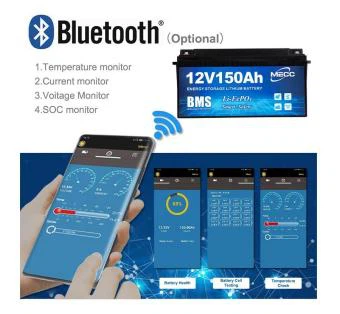
| Voltage | 12V/24V |
| Capacity | 100/200Ah |
| Cycle Life | >3000 cycles |
| Efficiency of Charge | 100% @0.5C |
| Efficiency of Discharge | 96~99% @1C |
| Charge Voltage | 14.6±0.2V |
| Charge Current | 60A |
| IP Class | IP65 |















FAQ
Q: What is the self-optimizing control algorithm for manufacturing processes and how does it work?
A: The self-optimizing control algorithm is an intelligent system that revolutionizes our manufacturing processes. During production, numerous sensors are placed throughout the facility to monitor parameters such as temperature, pressure, material flow rates, and machine vibrations. These sensors continuously feed real-time data to the control algorithm. The algorithm, powered by advanced machine learning and artificial intelligence techniques, analyzes this data. If it detects any deviation from the optimal production conditions, it automatically takes corrective actions. For example, if the temperature in a curing oven rises above the ideal range, the algorithm can adjust the heating elements or ventilation to bring it back to the proper level. In a continuous production line for advanced materials, it ensures consistent product quality by constantly adapting to changes in the environment or raw material properties. It also reduces the need for manual intervention, increasing productivity and reducing errors. In the production of high-precision optics, it can fine-tune the polishing process to achieve the desired surface finish and optical properties.
Hot Tags: 12.8v lifepo4 battery pack 300ah, China 12.8v lifepo4 battery pack 300ah manufacturers, suppliers, 60 volt lithium battery, charging lithium batteries with solar, 3 7 lithium battery, 3 7 v lithium ion battery, 12v lithium marine battery, 36v lithium golf cart battery


