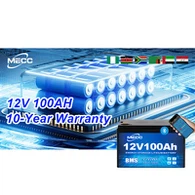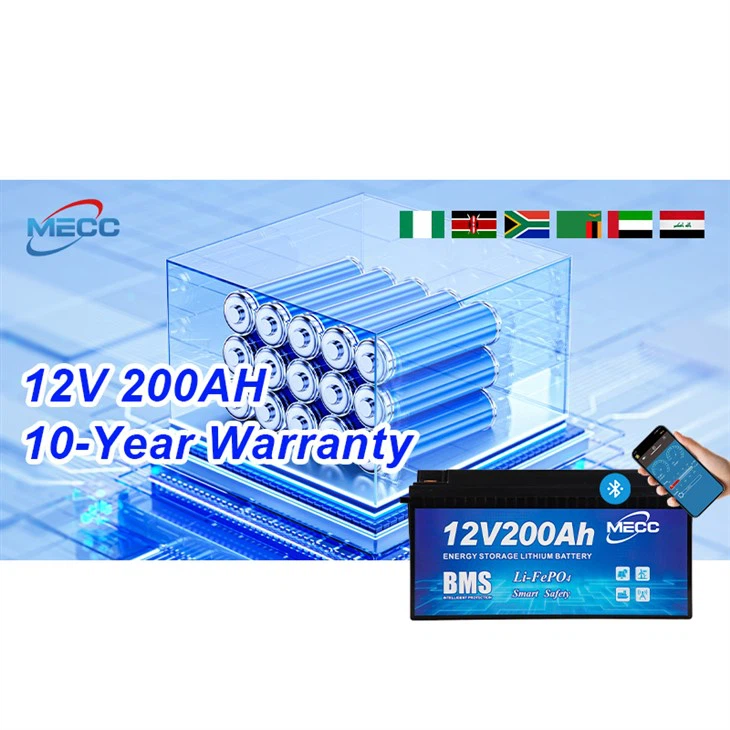
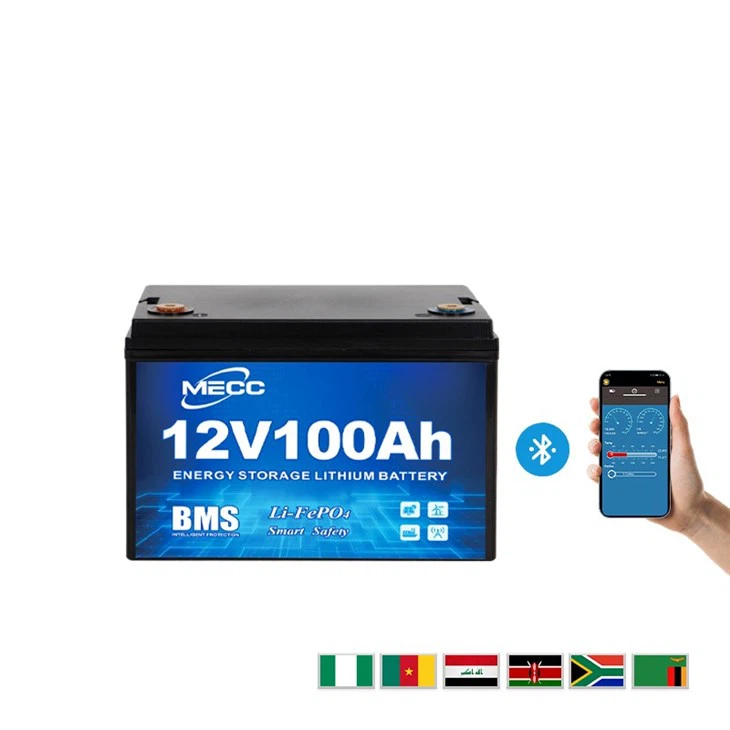
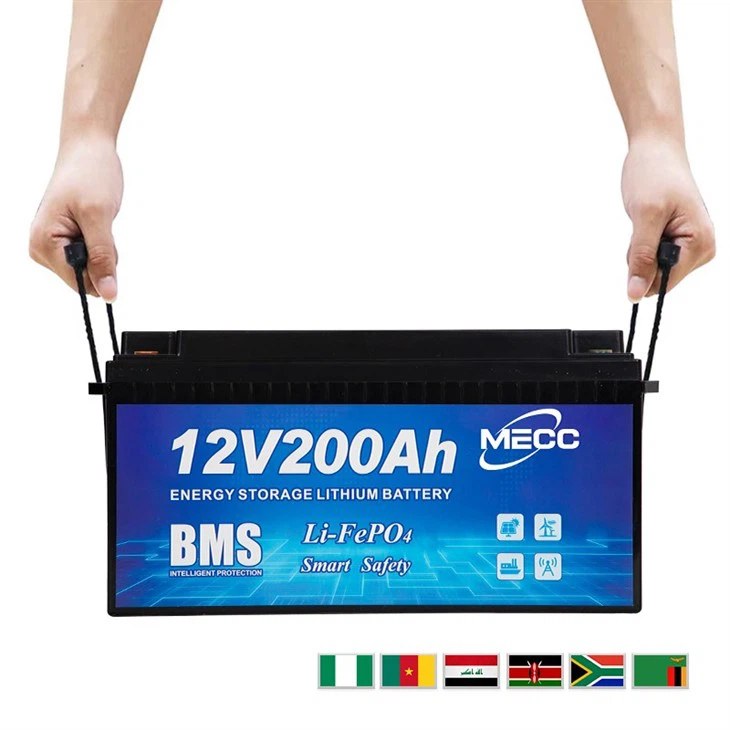
It is designed to operate in a wide humidity range. The humidity-tolerant battery can function in environments with varying levels of moisture. Whether it's a humid tropical rainforest where a research station needs power or a damp basement where a home backup system is located, it can maintain its performance without succumbing to humidity-related issues like corrosion or short circuits.
It features a solvent extraction and purification technique for raw materials. Before the key substances are incorporated into the final product, they undergo a meticulous solvent extraction process. This involves using specific solvents to selectively dissolve and separate the desired elements from impurities. Subsequently, purification steps are carried out to further refine the extracted materials to an extremely high purity level. In the production of high-performance batteries, for example, this technique ensures that the cathode and anode materials are free from contaminants that could hinder electrochemical reactions. The purified materials can then store and release energy more efficiently, leading to longer battery life and enhanced overall performance. In the pharmaceutical industry, similar processes are vital to obtain pure active ingredients for medications, guaranteeing their safety and effectiveness.
Tucked away in a serene valley, it's a haven for renewable energy integration. This establishment is dedicated to producing hybrid power systems that combine solar, wind, and energy storage capabilities. The production process is a harmonious blend of multiple technologies. Engineers first design custom control systems that can intelligently manage the flow of power from different sources. Using advanced inverters, they convert the direct current generated by solar panels and wind turbines into alternating current suitable for use or storage. The facility houses a vast array of testing equipment to simulate various weather conditions and power demands. In a rural community, for example, these hybrid systems can provide reliable electricity around the clock, reducing dependence on the grid and lowering carbon emissions.
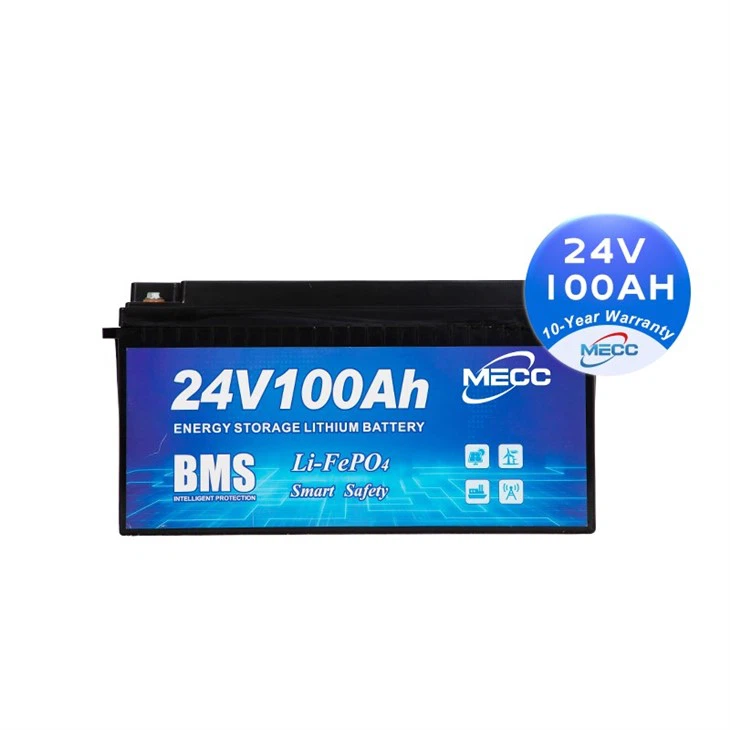
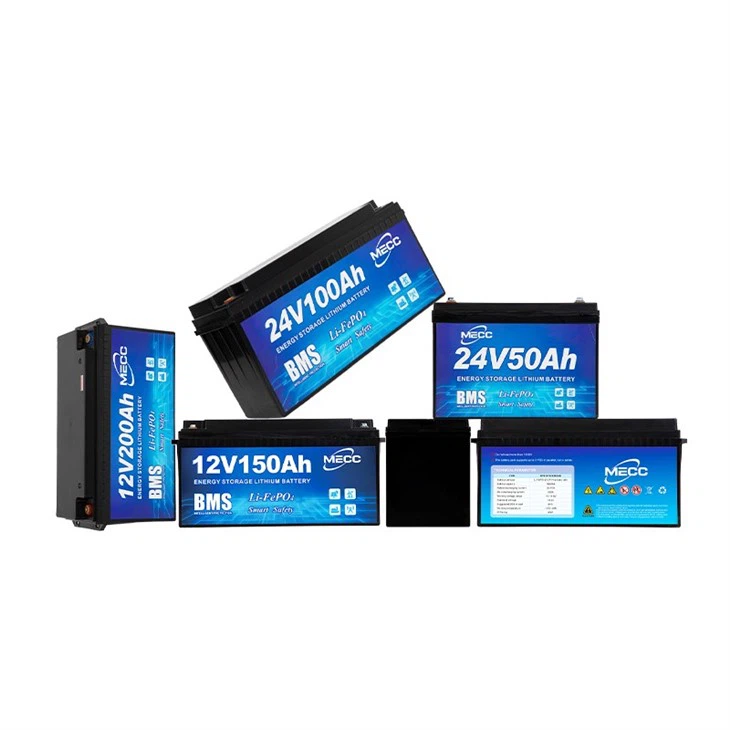
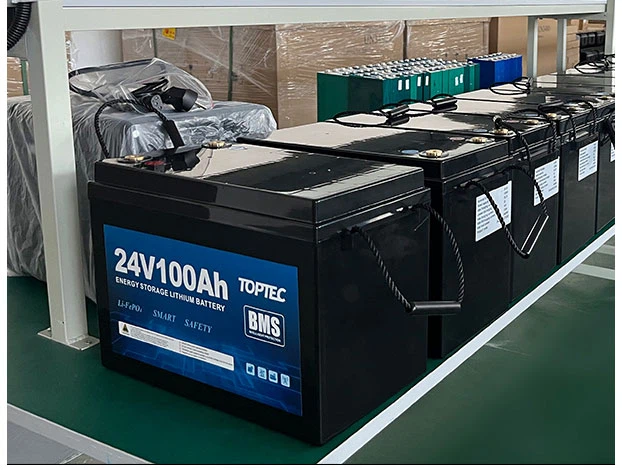
| Voltage | 12V/24V |
| Capacity | 100/200Ah |
| Cycle Life | >3000 cycles |
| Efficiency of Charge | 100% @0.5C |
| Efficiency of Discharge | 96~99% @1C |
| Charge Voltage | 14.6±0.2V |
| Charge Current | 60A |
| IP Class | IP65 |















FAQ
Q: How does the reactive ion etching (RIE) process for microfabrication work?
A: The RIE process is a key technique in microfabrication. It starts with placing the substrate, which could be a silicon wafer or other material, in a vacuum chamber. A plasma containing reactive ions is then generated inside the chamber. The reactive ions are produced by introducing gases, such as fluorine-based gases for etching silicon, and applying a radiofrequency or microwave power source. The plasma ions are accelerated towards the substrate under the influence of an electric field. As the ions collide with the substrate, they chemically react with the surface material, selectively removing it. By carefully controlling the gas composition, power, and etching time, we can create extremely fine and precise patterns and structures at the microscale. In the semiconductor and microelectronics fields, this is indispensable for fabricating integrated circuits, microchips, and sensors. For instance, in a smartphone's processor chip, RIE is used to define the nanometer-scale transistor features, which directly impacts the device's computing power and energy efficiency. The ability to control the etching process with such precision allows for continuous innovation in miniaturization and performance enhancement.
Hot Tags: 12.8v lifepo4 battery pack 125ah, China 12.8v lifepo4 battery pack 125ah manufacturers, suppliers, lithium car battery 12v, 24v lithium ion battery for mobility scooter, lithium leisure battery 200ah, 4000 Cycles Battery, 48v lithium ion battery, 24v lithium battery for trolling motor