


They offer seamless integration with existing power management systems. These adaptable batteries are engineered to interface flawlessly with current power management software and hardware. Whether it's a sprawling industrial complex with an elaborate power control system or a small business with basic power monitoring tools, they can be incorporated without disrupting the existing setup. This compatibility accelerates the adoption of new battery technology and boosts overall efficiency.
It incorporates a hydrothermal reaction process for nanostructure formation. By subjecting materials to high-pressure, high-temperature water environments, unique nanostructures can be synthesized. These nanostructures can enhance the performance of the device in multiple ways. For example, in a fuel cell, the hydrothermal reaction can create nanostructured catalysts that speed up the electrochemical reactions, increasing the power output. In sensors, the nanostructures can improve sensitivity, allowing for more accurate detection of substances. The process is highly tunable, enabling the production of different nanostructures to meet specific application requirements.
It's a jewel of innovation in the power electronics sector. Here, they produce power converters with high efficiency and low harmonic distortion. The manufacturing process is a dance of precision electronics. Surface-mount technology is used to attach components with micron-level accuracy. The power converters are designed with advanced control algorithms that can adjust the output voltage and current to meet different requirements. The facility also has a power quality lab, where they test the converters under various load conditions, ensuring they deliver clean power. The goal is to improve the overall power quality in electrical systems, from industrial plants to homes.
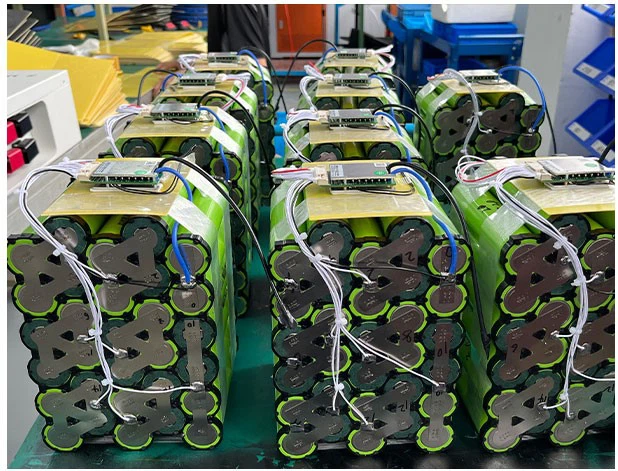
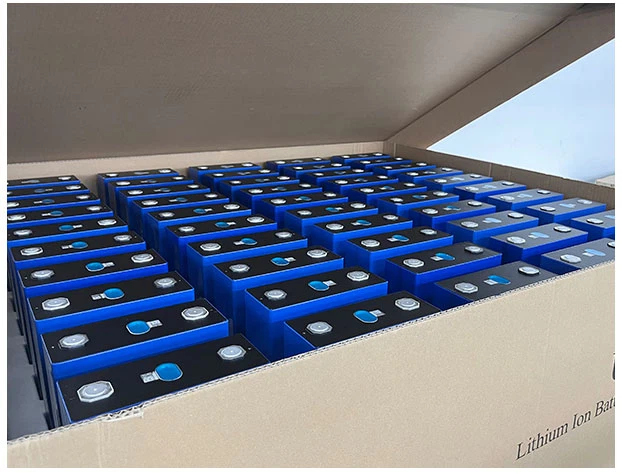
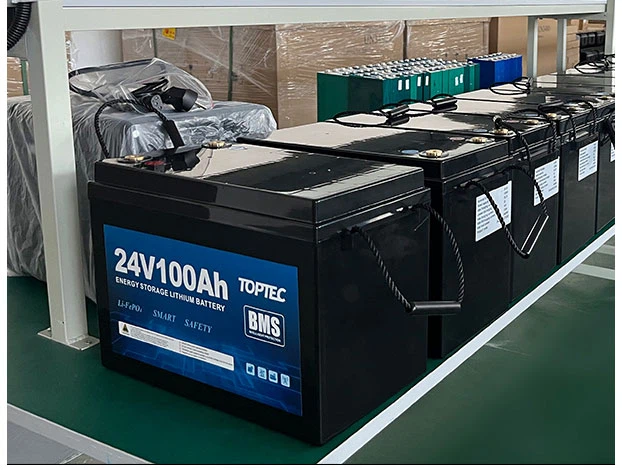
| Voltage | 12V/24V |
| Capacity | 100/200Ah |
| Cycle Life | >3000 cycles |
| Efficiency of Charge | 100% @0.5C |
| Efficiency of Discharge | 96~99% @1C |
| Charge Voltage | 14.6±0.2V |
| Charge Current | 60A |
| IP Class | IP65 |
















FAQ
Q: How does the electrophoretic deposition process work for coating application?
A: In electrophoretic deposition, we utilize a liquid suspension containing charged particles, typically ceramic or metallic nanoparticles. When an electric field is applied across the liquid, the charged particles migrate towards the oppositely charged electrode, which in our case is the surface of the component to be coated. As the particles reach the electrode, they adhere and form a uniform and often extremely thin coating. This process offers several advantages. Firstly, it provides excellent control over the coating thickness, which can be adjusted by varying parameters such as the electric field strength, deposition time, and particle concentration. A thinner coating can be applied for applications where weight or space is a concern, while a thicker one can be used for enhanced protection. Secondly, it allows for conformal coating, meaning the particles can evenly cover complex geometries, reaching into recesses and grooves that might be inaccessible to other coating methods. This is crucial for ensuring comprehensive protection against corrosion, wear, and other forms of degradation in components with intricate shapes, like those found in microelectronics or automotive engine parts.
Hot Tags: 12.8v 100ah lifepo4 battery pack wifi, China 12.8v 100ah lifepo4 battery pack wifi manufacturers, suppliers, 36v 7 5 ah lithium ion battery, 60ah lithium battery, Cycles Life Lifepo4 Battery Pack, lithium ion battery 3 7 v, companion lithium battery, 12v 24ah lithium battery


