

It has a programmable control system. Users can customize certain parameters according to their specific needs. You can set voltage limits, current limits, and even create custom operating modes. In a specialized industrial process or a unique off-grid setup, this flexibility is invaluable. For example, in a research facility where precise power control is essential for sensitive experiments, technicians can fine-tune the inverter to deliver exactly the right power conditions. Or, in a remote telecommunication tower relying on a hybrid power supply, operators can program the inverter to prioritize solar power during daylight hours and switch to battery backup at night, optimizing energy usage and ensuring uninterrupted operation.
Surge Protection Technology: Inverters are often exposed to power surges, which can be caused by lightning strikes, grid faults, or switching transients. Surge protection technology uses components like metal oxide varistors (MOVs), gas discharge tubes (GDTs), and transient voltage suppressors (TVSs) to absorb and dissipate the excess energy. These components are placed at the input and output of the inverter to protect the internal circuitry and connected equipment from damage. Surge protection is an essential part of inverter design to ensure reliable operation in harsh electrical environments.
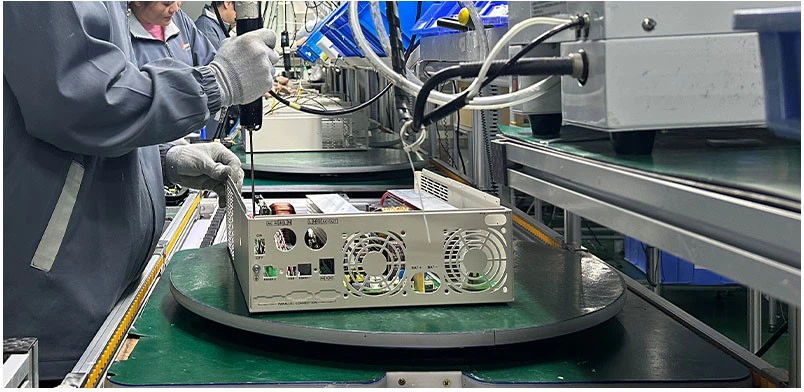
The factory's layout is designed to promote ergonomics. Workstations are adjustable to fit the height and needs of different workers. Tools and equipment are placed within easy reach, reducing the need for excessive bending or stretching. This ergonomic design helps prevent worker injuries and fatigue, improving productivity and job satisfaction.
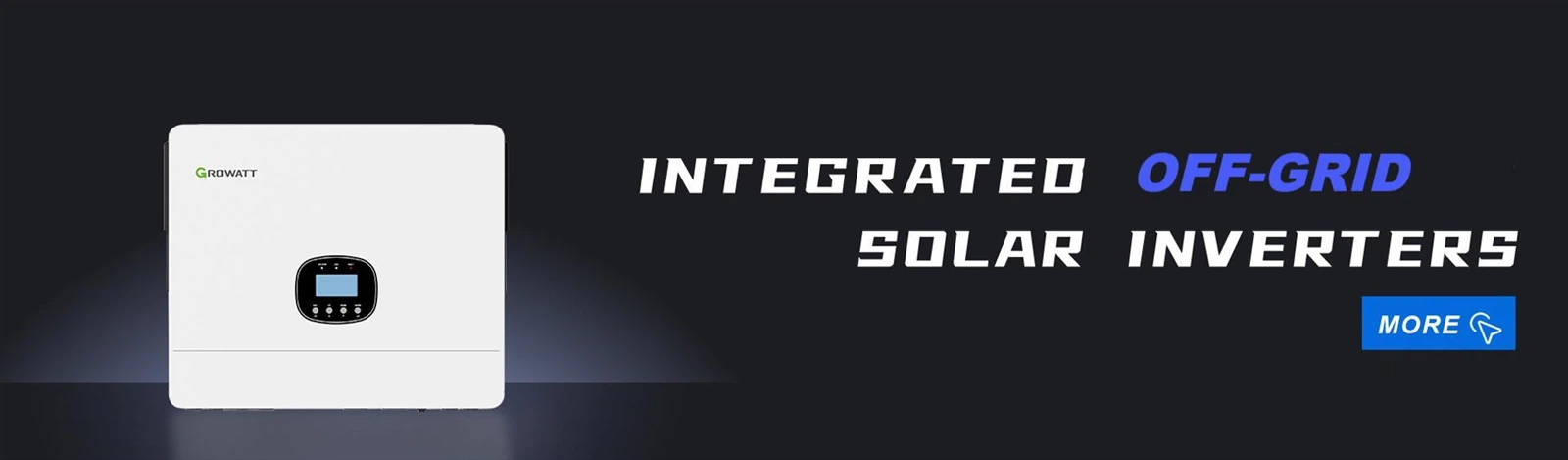
| Model |
SPF 6000 ES
|
|
Battery Voltage
|
48V
|
|
Battery Type
|
Lithium/Lead-acid
|
|
Rated Power
|
6000W
|
|
AC Voltage
|
230V 50/60Hz
|
|
Surge Power
|
12000VA
|
|
Efficiency
|
93%
|
|
MPPT
|
120V ~ 450V
|
|
Charge Current
|
80A
|
|
Protection
|
IP20
|