This inverter's efficiency curve is optimized for different load conditions. It doesn't just perform well at full load but also maintains high efficiency at partial loads. In a typical home environment where the power demand varies throughout the day, this means that whether you're running a single light bulb or a full suite of appliances, you're getting the most out of your power source. This adaptability in efficiency helps to conserve energy and reduce operating costs in a wide range of applications.
Digital Circuit Design for Fault Tolerance: Inverter digital circuits are designed with fault tolerance in mind. Redundant circuits and error-correcting codes are used to ensure that the inverter can continue to operate even if a component fails. For example, in a DSP-based control system, duplicate processing units may be implemented, and data integrity is maintained through error-correcting techniques. This fault tolerance design reduces the risk of complete inverter failure due to a single point of error, enhancing its reliability in critical applications.
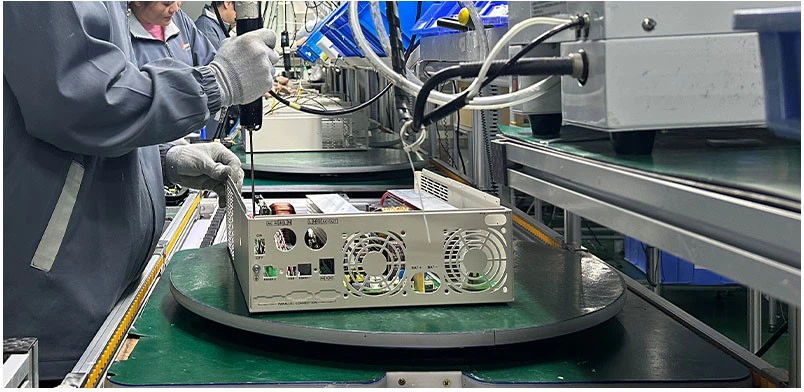
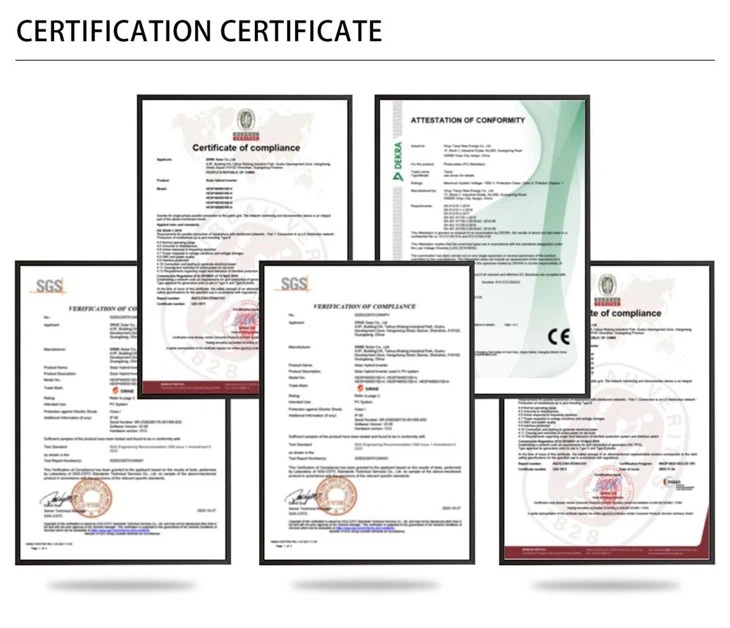
Inverter production is subject to strict international trade regulations. Our factory has a dedicated compliance team that stays updated on tariffs, import/export restrictions, and product certification requirements. They work with customs agents and regulatory bodies to ensure smooth international shipments and legal compliance.

| Model |
SUN-10K
|
|
Battery
|
Lead-acid / Li-lon
|
|
Battery Voltage
|
40~60V
|
|
DC Input Power
|
13000W
|
|
MPPT
|
200-650V
|
|
PV Input Current
|
26+13
|
|
AC Output Power
|
10000W
|
|
Frequency and Voltage
|
50/60Hz; 230/400V
|
|
Efficiency
|
>97% |
|
Grid Regulation
|
CEI 0-21, VDE-AR-N 4105, NRS 097, IEC 62116, IEC 61727, G99, G98,
VDE 0126-1-1, RD 1699, C10-11
|
|
Communication
|
RS485; CAN
|
|
Protection
|
IP65
|