


They are the enablers of off-grid living dreams. Paired with renewable energy sources like wind turbines and solar arrays, these units create a self-sufficient power ecosystem for remote cabins, farms, and homesteads. The comprehensive safety features, including short-circuit protection and thermal runaway prevention, are like a suit of armor, shielding against potential disasters. A farmer can now operate his irrigation systems, power his barn lights to tend to livestock at night, and run machinery for harvesting and processing crops, all without being tethered to the grid. This newfound independence boosts productivity and reduces operational costs. For homesteaders, it means a warm home, cooked meals, and entertainment options, even in the most isolated corners of the countryside. It's a doorway to a sustainable and self-reliant lifestyle, far from the hustle and bustle of urban power grids.
They are based on a nanocomposite electrode technology. The production of the nanocomposite electrodes involves mixing nanostructured materials, like carbon nanotubes or graphene oxide, with traditional electrode materials. This is done through a high-shear mixing process that ensures uniform dispersion. The nanostructures enhance the electrical conductivity and mechanical properties of the electrodes. The resulting electrodes have a larger surface area for electrochemical reactions, leading to improved battery performance. The production also includes quality control steps to verify the proper nanostructure incorporation and electrode integrity. This nanocomposite electrode technology is paving the way for next-generation batteries with higher energy densities and longer cycle lives.
They are involved in light manufacturing workshops. Small-scale production lines, power tools, and quality control equipment rely on them for backup power. During short power interruptions, they prevent production delays and material waste. They can store energy from renewable sources on the workshop roof, like solar panels, reducing energy costs and increasing the workshop's self-sufficiency. The ability to handle moderate power loads and provide quick power restoration is essential for these small businesses.
|
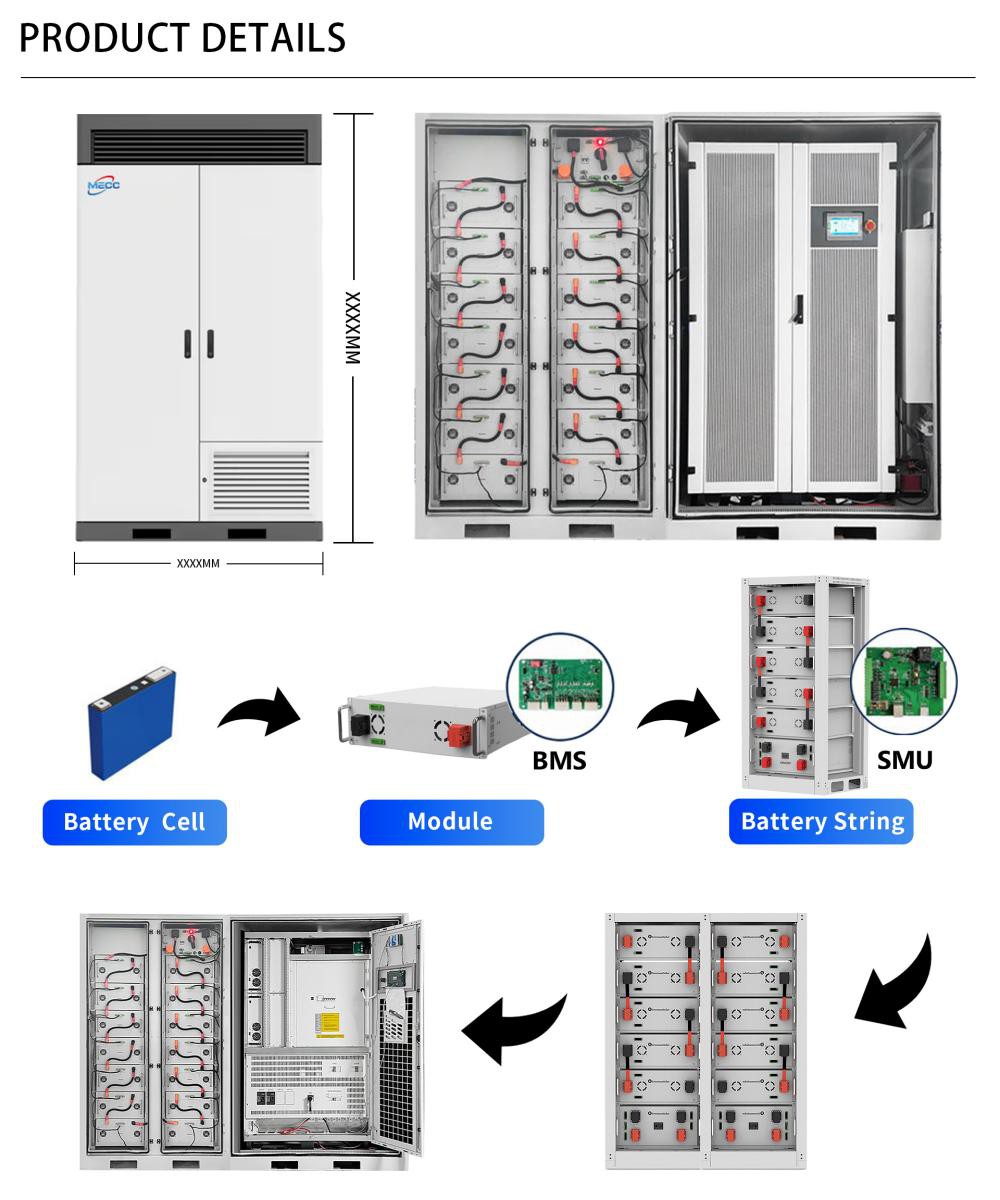
BATTERY CELL |
|||
|
RATED VOLTAGE |
3.2V |
||
|
CAPACITY |
280AH |
||
|
BATTERY SYSTEM 1P224S |
|||
|
RATED VOLTAGE |
716.8V |
||
|
NOMINAL CAPACITY |
280AH |
||
|
RATED CURRENT |
140A |
||
|
BATTERY POWER |
215KWH |
||
|
MAX EFFICIENCY |
≥95% |
||
|
COOLING |
FORCED AIR |
||
|
WORKING TEMPERATURE |
-20°C-60°C |
||
|
PROTECTION DEGREE |
IP54 |
||
|
CERTIFICATES |
CE, UN38.3,UL,ROHS, EMC, REACH |
||



FAQ
Can it be used in a dorm room?
Yes, it can be used in a dorm room. Its compact size and quiet operation make it ideal for the confined and shared living space. It can power essential electronics such as laptops, phone chargers, desk lamps, and small fans. During power outages, which can happen due to campus-wide issues or maintenance, it ensures that students can continue studying or relaxing without interruption. Some models even come with USB ports, making it convenient for charging multiple mobile devices at once. Additionally, since it doesn't take up much space, it can be easily stored under a desk or on a shelf. However, it's important to check with the dormitory management about any restrictions on using personal power storage devices to avoid any potential issues.
Hot Tags: energy storage cabinet commercial 768v, China energy storage cabinet commercial 768v manufacturers, suppliers, solar system battery, electrical storage system, heat storage system, large solar battery storage systems, grid scale battery energy storage system, solar and battery home system


