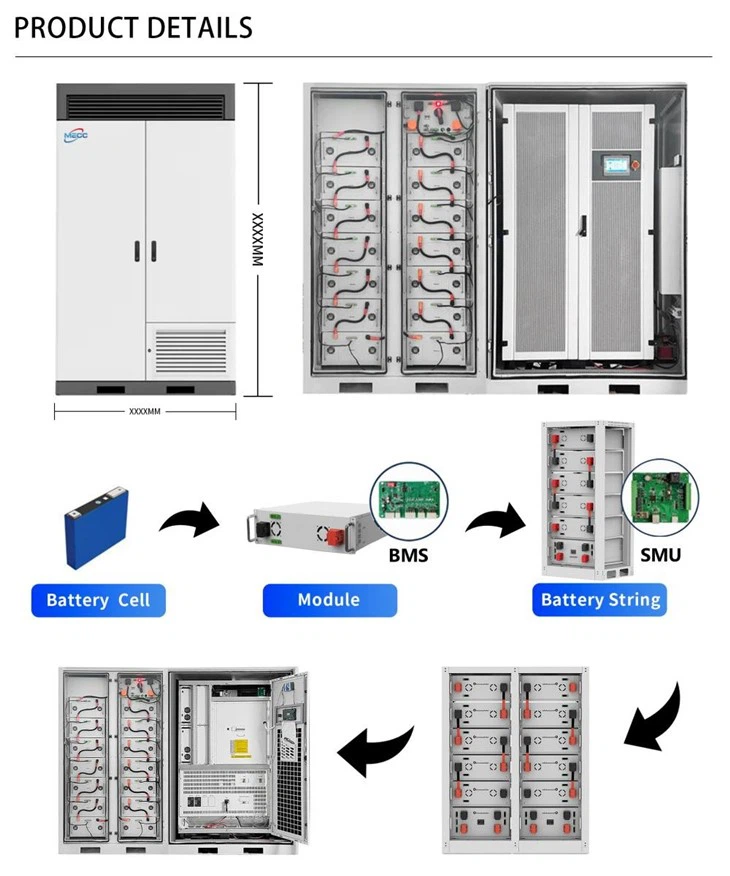
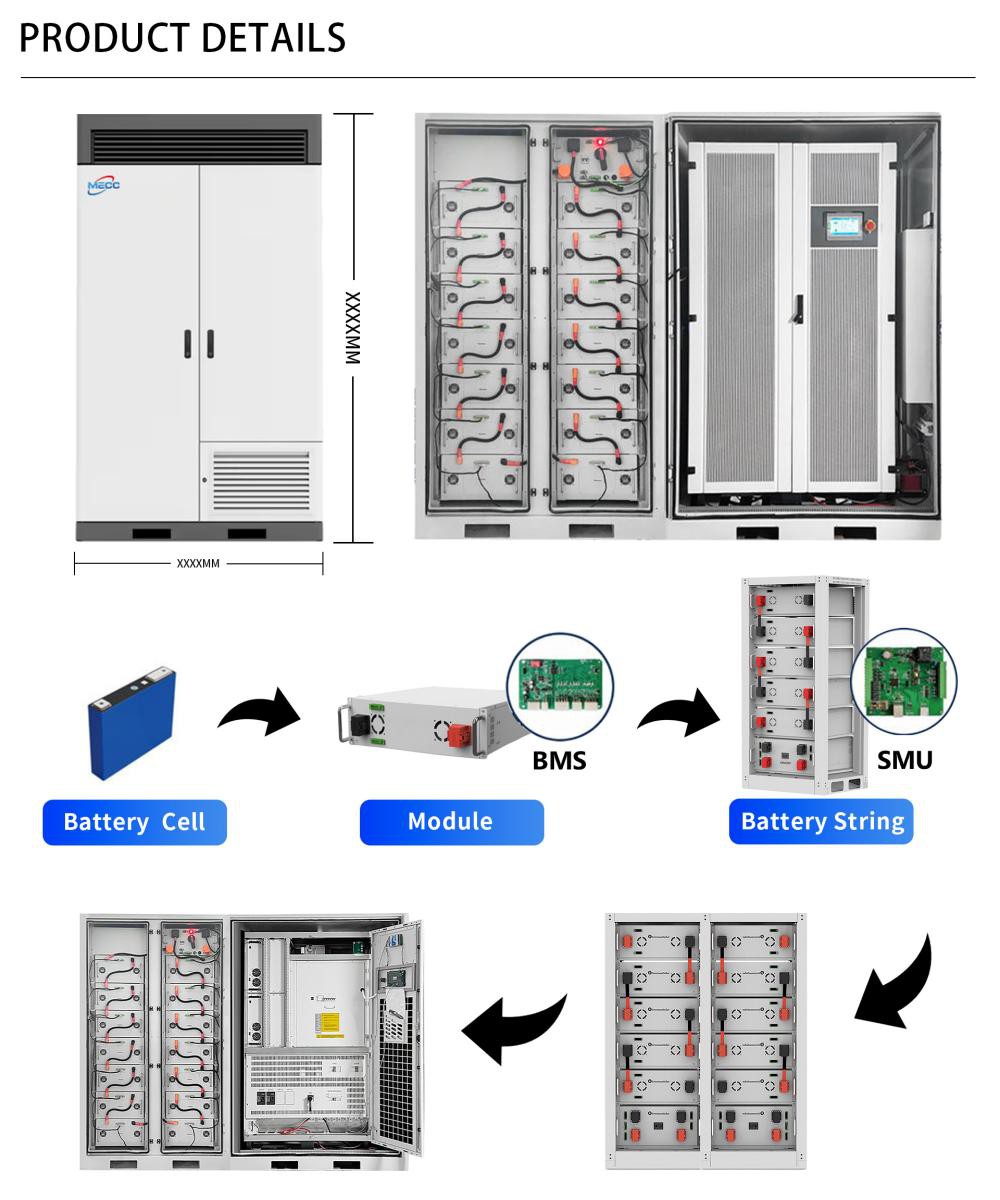
These units are champions of energy-efficient design, the torchbearers for a more sustainable future. They employ advanced thermal management systems that act like a personal thermostat for the power cells, keeping them at an optimal operating temperature. This not only supercharges energy conversion efficiency but also extends the battery life like a fountain of youth for electronics. In a factory setting, these units can significantly reduce the amount of wasted energy during charging and discharging, leading to lower overall power consumption and cost savings. For residential users, it means fewer battery replacements and better long-term performance, translating to more money in the pocket. They are a driving force behind making power storage a more sustainable and cost-effective endeavor.
They are based on a reversible solid-state redox flow battery technology. The production of the battery involves fabricating two different electrolyte solutions that can reversibly change their oxidation states. These electrolytes are stored in separate tanks and pumped through a membrane stack. The membrane allows the ions to pass while preventing the mixing of the two electrolytes. The electrodes are designed to catalyze the redox reactions. The reversible nature of the reactions enables efficient charging and discharging, and the solid-state design offers advantages in terms of safety and stability compared to traditional liquid-based redox flow batteries. This technology is emerging as a viable option for large-scale energy storage, especially in applications where long cycle life and high energy efficiency are required.
They are involved in emergency shelters. Lighting, heating, and communication equipment need a reliable power source. They act as backup power during power outages, ensuring the comfort and safety of people seeking refuge. Their durability and ability to operate in harsh conditions are crucial. They can also store energy from local renewable sources, like solar panels or wind turbines if available, reducing the shelter's dependence on external power sources and providing a more sustainable solution in times of crisis.
|
BATTERY CELL |
|||
|
RATED VOLTAGE |
3.2V |
||
|
CAPACITY |
280AH |
||
|
BATTERY SYSTEM 1P224S |
|||
|
RATED VOLTAGE |
716.8V |
||
|
NOMINAL CAPACITY |
280AH |
||
|
RATED CURRENT |
140A |
||
|
BATTERY POWER |
215KWH |
||
|
MAX EFFICIENCY |
≥95% |
||
|
COOLING |
FORCED AIR |
||
|
WORKING TEMPERATURE |
-20°C-60°C |
||
|
PROTECTION DEGREE |
IP54 |
||
|
CERTIFICATES |
CE, UN38.3,UL,ROHS, EMC, REACH |
||



FAQ
How does it support energy management in a microgrid?
In a microgrid, it serves as a key energy storage element. It can store excess energy generated by distributed energy resources like solar panels and wind turbines. When the demand in the microgrid exceeds the current generation, it discharges the stored energy to meet the shortfall. It also helps balance the power flow, preventing overloading of generators or inverters. By communicating with other components in the microgrid, such as smart meters and controllers, it can optimize the use of energy resources. For example, it can adjust its charging and discharging based on real-time power prices, load forecasts, and grid stability conditions, contributing to a more efficient and resilient microgrid operation.
Hot Tags: energy storage cabinet commercial 280ah, China energy storage cabinet commercial 280ah manufacturers, suppliers, hybrid battery solar system, solar storage system for home, Solar Energy Storage System, ess storage system, solar and battery storage system, energy storage systems for solar power