



They are the drivers of power cost savings, the money-savers that keep on giving. By storing off-peak electricity and using it during peak tariff hours, these units can significantly reduce electricity bills for both households and businesses. The built-in energy metering and reporting functions act as a financial dashboard, allowing users to track their savings with pinpoint accuracy. For homeowners, it could mean extra money in the budget for other essentials or leisure activities. A family might notice a considerable dip in their monthly utility costs after implementing these units, perhaps affording them an additional movie night out or a new piece of furniture. In the business realm, the savings can be even more impactful. Retail stores can keep their lighting and cash registers running during power outages while also shaving off hefty charges during peak demand times, enhancing their bottom line. Offices can maintain a comfortable working environment and power essential equipment without the fear of skyrocketing electricity bills, all thanks to the strategic use of stored power. This not only benefits the wallet but also encourages more sustainable energy consumption patterns.
They are based on a hydrogen-assisted battery technology. The production of the battery involves incorporating a hydrogen source, such as a metal hydride or a proton exchange membrane hydrogen generator, into the battery system. The hydrogen can react with the electrode materials during charging or discharging to enhance the electrochemical performance. The control unit manages the flow of hydrogen and the battery's operation. This hydrogen-assisted technology offers the potential for higher energy densities and longer cycle lives, especially in applications where lightweight and high-performance energy storage is required. It's an emerging area of research and development in the energy storage field.
They are involved in maker spaces. 3D printers, laser cutters, and soldering stations need a continuous power supply. They act as backup power sources, protecting the innovation and creation process from power interruptions. Their ability to handle the power demands of maker equipment and provide stable power is essential. They can also store energy from renewable sources, like solar panels on the maker space roof, reducing the space's carbon footprint and energy expenses. The modular and scalable design means the space can be expanded or upgraded with more power-hungry features as desired.
|
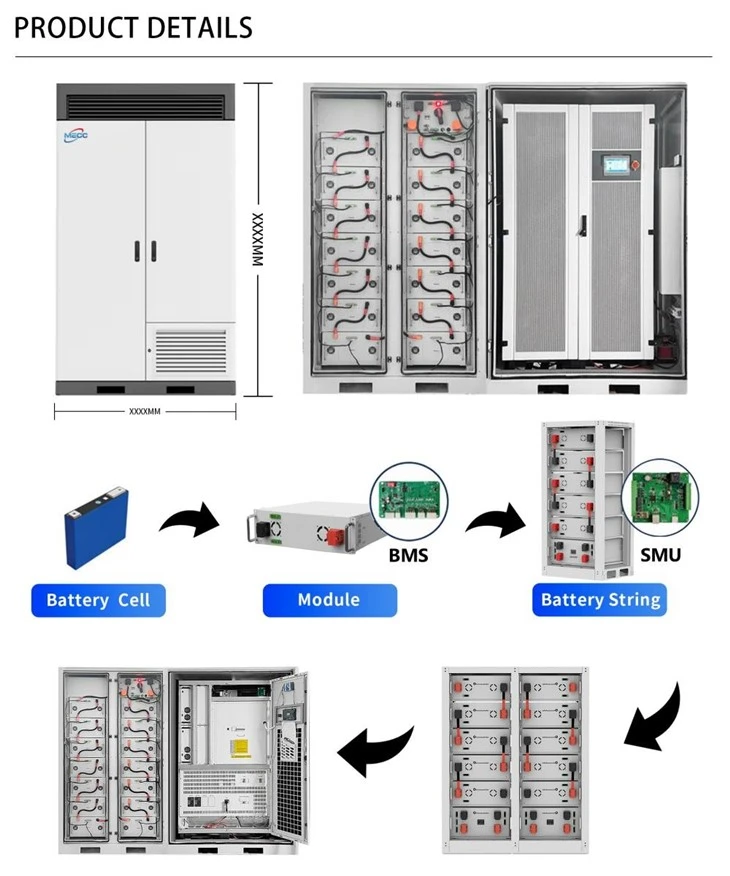
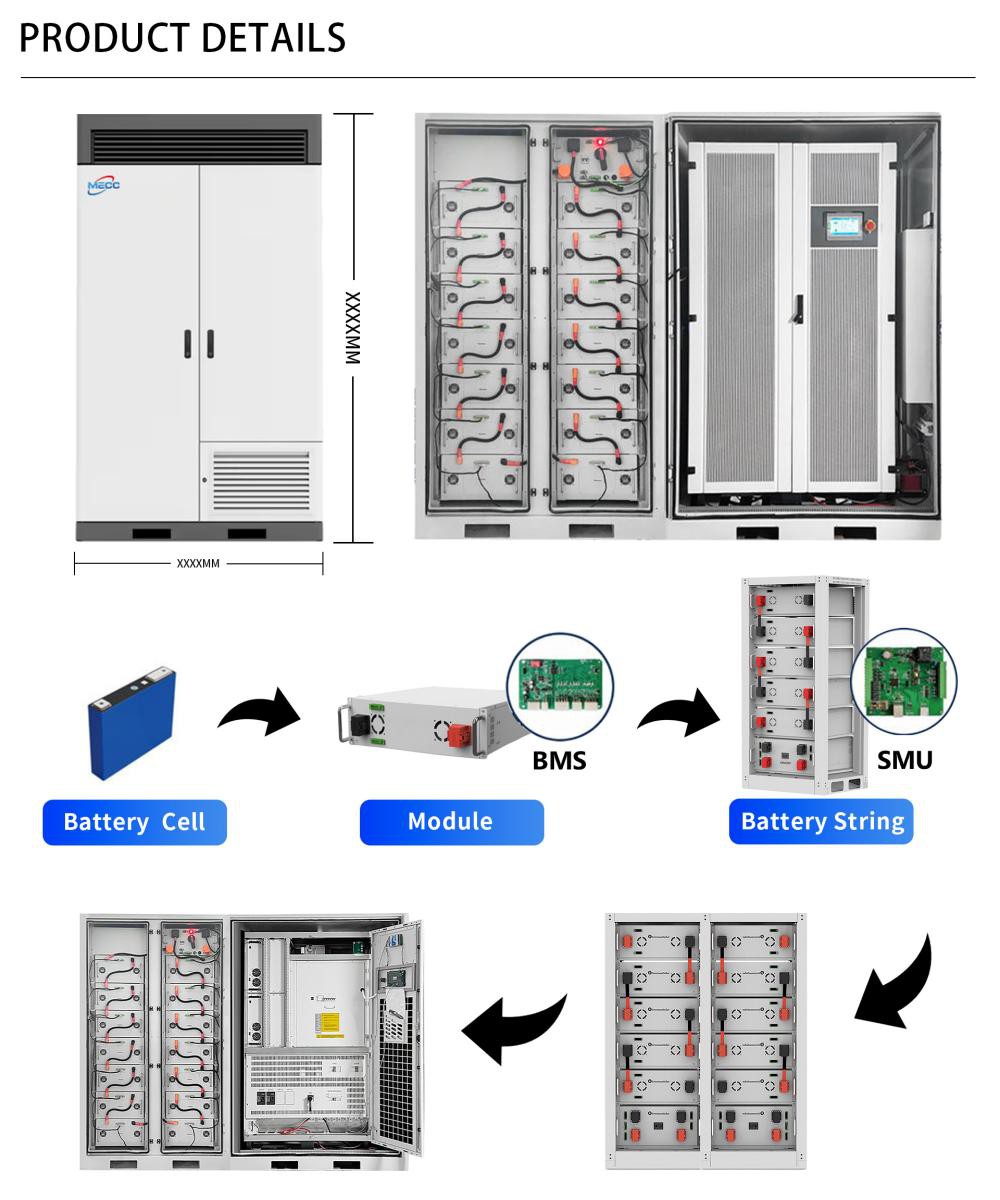
BATTERY CELL |
|||
|
RATED VOLTAGE |
3.2V |
||
|
CAPACITY |
280AH |
||
|
BATTERY SYSTEM 1P224S |
|||
|
RATED VOLTAGE |
716.8V |
||
|
NOMINAL CAPACITY |
280AH |
||
|
RATED CURRENT |
140A |
||
|
BATTERY POWER |
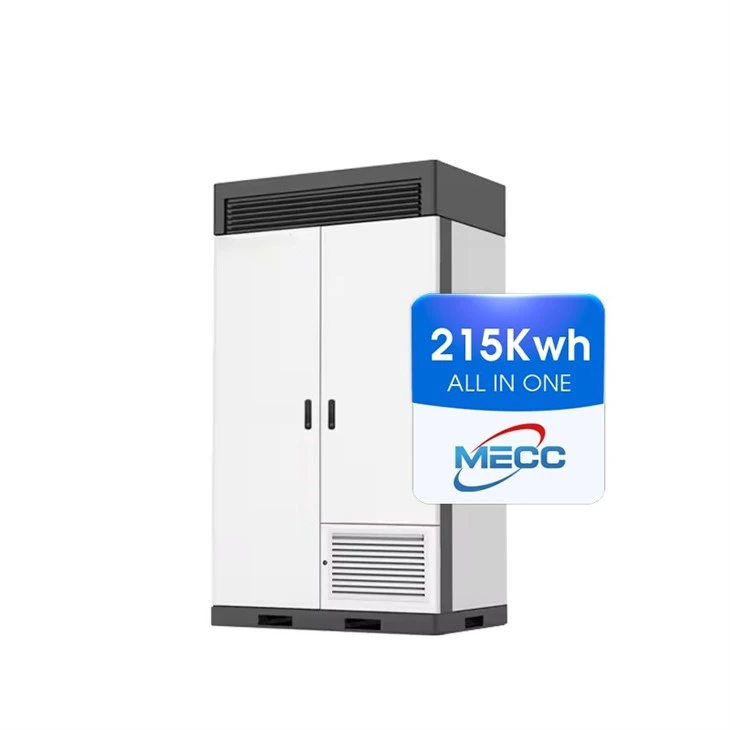
215KWH |
||
|
MAX EFFICIENCY |
≥95% |
||
|
COOLING |
FORCED AIR |
||
|
WORKING TEMPERATURE |
-20°C-60°C |
||
|
PROTECTION DEGREE |
IP54 |
||
|
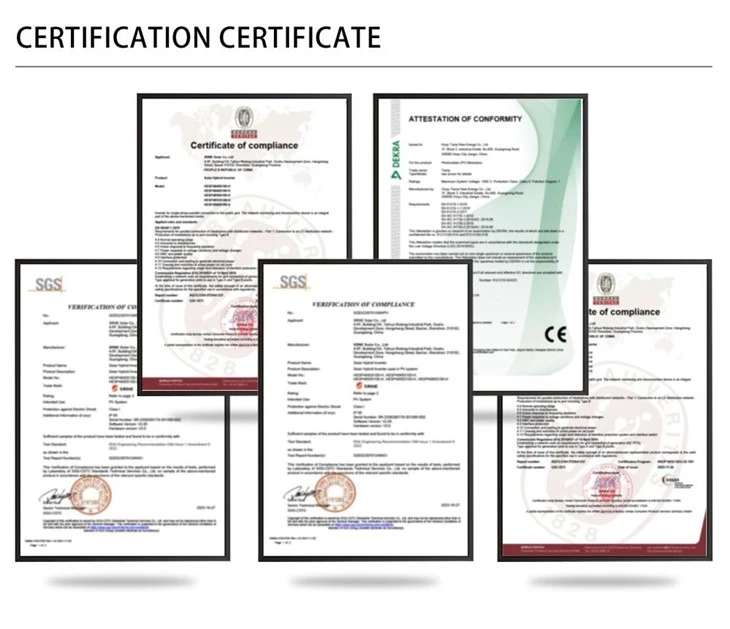
CERTIFICATES |
CE, UN38.3,UL,ROHS, EMC, REACH |
||



FAQ
What is the impact of electromagnetic interference (EMI) on its operation?
Electromagnetic interference can disrupt its operation. Sources of EMI like radio transmitters, cell phone towers, or other high-power electrical equipment can emit electromagnetic waves that interfere with the device's internal circuitry. This can lead to errors in communication between components, inaccurate sensor readings, or even malfunctions. To reduce the impact of EMI, the device is often shielded with materials like metal enclosures or conductive coatings. Additionally, its circuitry is designed with filters and grounding techniques to divert unwanted electromagnetic energy. Regular testing and maintenance in EMI-prone environments can help identify and address any potential issues before they cause significant problems.
Hot Tags: energy storage cabinet commercial 215kwh, China energy storage cabinet commercial 215kwh manufacturers, suppliers, commercial solar battery storage systems, solar ess system, wind energy storage system, 48V 100AH Solar System, battery storage system for home, battery storage system


