

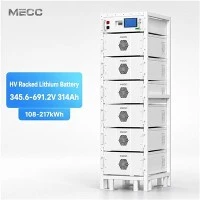

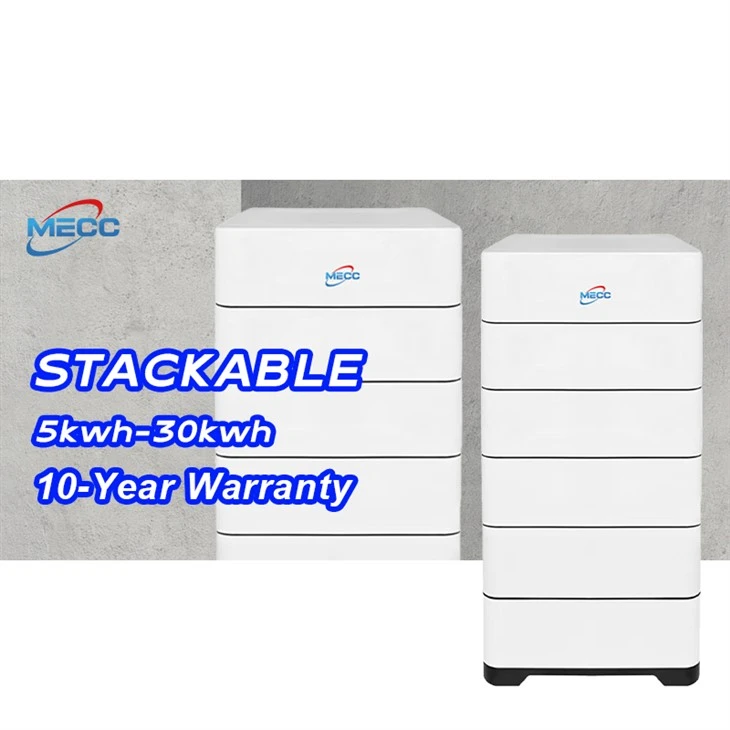
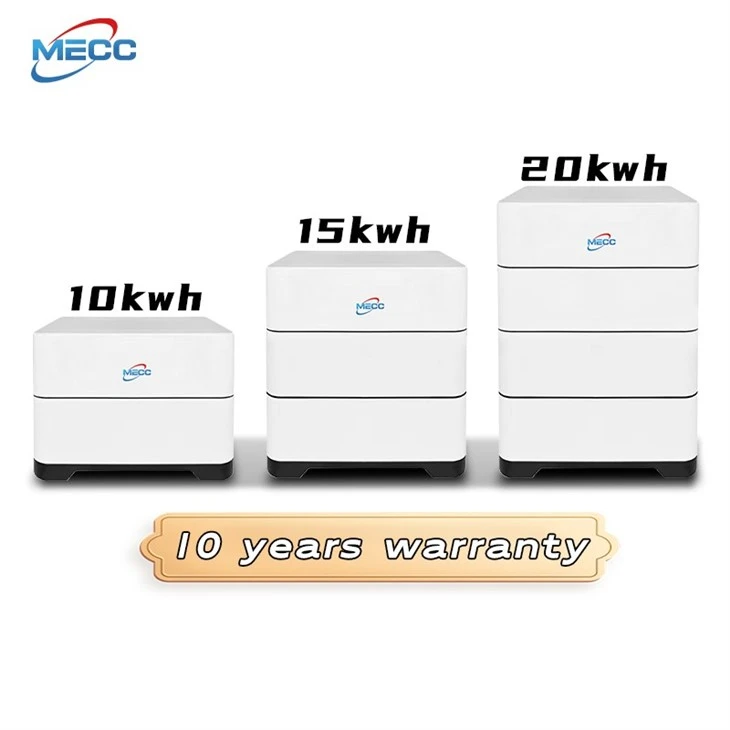
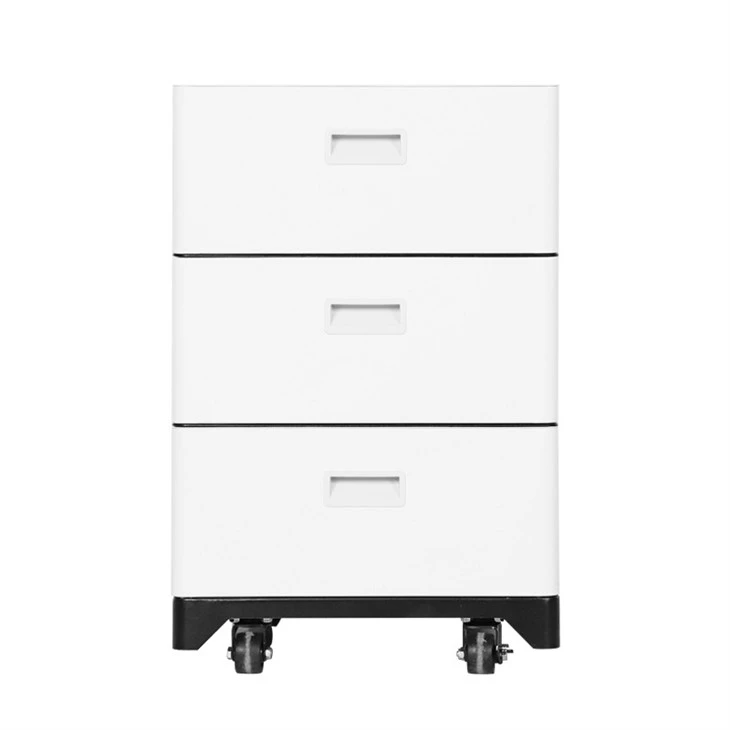
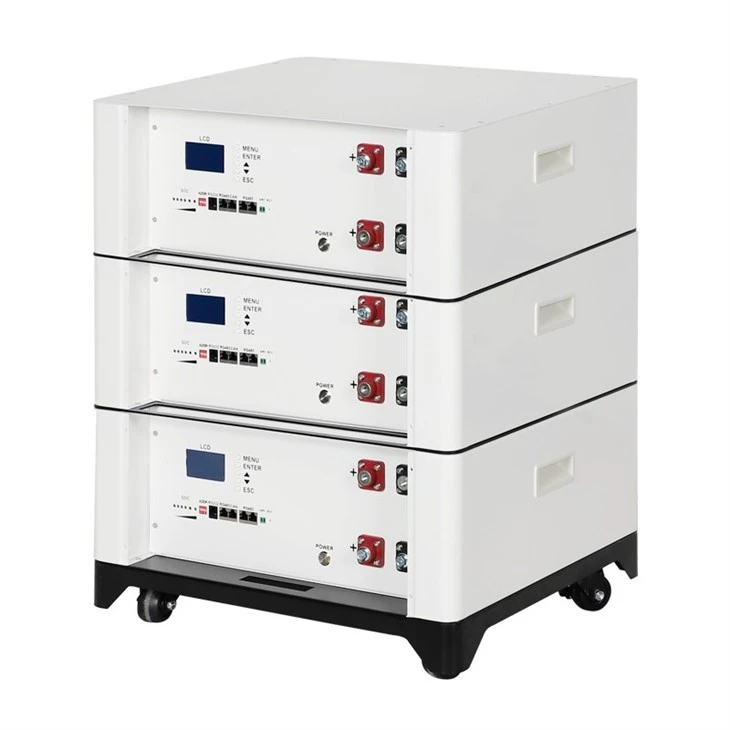

It has a high discharge efficiency. During the discharge process, it can convert the stored chemical energy into electrical energy with remarkable efficiency. This means that a larger proportion of the stored energy is effectively utilized to power the connected devices, reducing energy waste and improving the overall energy utilization rate. It is an energy-efficient solution that helps to optimize the performance of the entire power system. In residential solar-plus-storage setups, it efficiently delivers the stored solar energy to power household appliances, reducing the need to draw electricity from the grid and lowering energy bills. In industrial manufacturing plants, it powers production lines with minimal energy losses, contributing to cost savings and a more sustainable production process.
It has a compact and modular design. This design approach simplifies the assembly and disassembly processes, making it easier for technicians to work with. In case of any issues or the need for maintenance, individual modules can be conveniently replaced without having to dismantle the entire battery system. This modularity also allows for scalability, enabling the addition or removal of modules to adjust the battery's capacity according to specific requirements. In the expansion of a data center's backup power system, new modules can be easily integrated to increase the power reserve as the computing capacity and energy demands grow. In a portable power station for camping or outdoor events, users can customize the capacity by adding or removing modules based on their specific power needs, ensuring they have the right amount of energy for their activities.
The sealing process of the battery cells is designed to prevent any leakage of the electrolyte and protect the internal components from the external environment. Specialized sealing materials and techniques are used to create a hermetic seal. This may involve the use of gaskets, adhesives, or heat sealing. The sealing integrity is tested using pressure and vacuum tests to ensure there are no leaks. A proper seal is essential not only for it's performance but also for safety reasons, as any leakage of the electrolyte could cause short circuits or other hazardous situations.
The battery pack assembly involves connecting multiple individual battery cells in series and parallel to achieve the desired voltage and capacity. The connection process requires precise wiring and the use of reliable connectors. The wiring is carefully routed to minimize resistance and interference. The connectors are designed to handle the high currents and voltages involved and are tested for their durability and electrical performance. The battery pack is also equipped with a housing that provides mechanical protection and thermal management features. The housing is designed to dissipate heat effectively and protect the cells from physical damage.
|
Model |
48100 |
48200 |
|
Specification |
48V100Ah |
51.2V200Ah |
|
Combination |
15S1P |
16S1P |
|
Capacity |
4.8KWh |
10.24KWh |
|
Standard discharge current |
50A |
50A |
|
Max. discharge current |
100A |
100A |
|
Working voltage range |
40.5-54VDC |
40.5-54VDC |
|
Standard Voltage |
48VDC |
51.2VDC |
|
Max. charging current |
50A |
100A |
|
Max. charging voltage |
54V |
54V |
|
Cycle |
3000~6000cycles @DOD 80%/25℃/0 . 5C |
|
|
Operating temperature |
-10~+50℃ |
|
|
Working altitude |
≤2500m |
|
|
Installation |
Wall mount/Stacked |
|
|
Warranty |
5~ 10 Years |
|
|
Communication |
Default: RS485/RS232/CAN Optional :WiFi/4G/Bluetooth |
|
|
Certified |
CE ROHS FCC UN38 .3 MSDS |
|


Power wall 48V 100AH


Stacked 48V 100AH


Vertical 48V 200AH


