


With the rapid development of energy storage technology, rack mounted lithium batteries have become a key equipment for achieving efficient energy management in many fields due to their unique modular design and excellent performance. From power security in data centers to optimization of distributed energy systems, rack mounted lithium batteries are driving the energy storage industry to new heights with constantly innovative technologies and flexible application models.

Modular Design: A New Paradigm for Flexible and Efficient Energy Storage
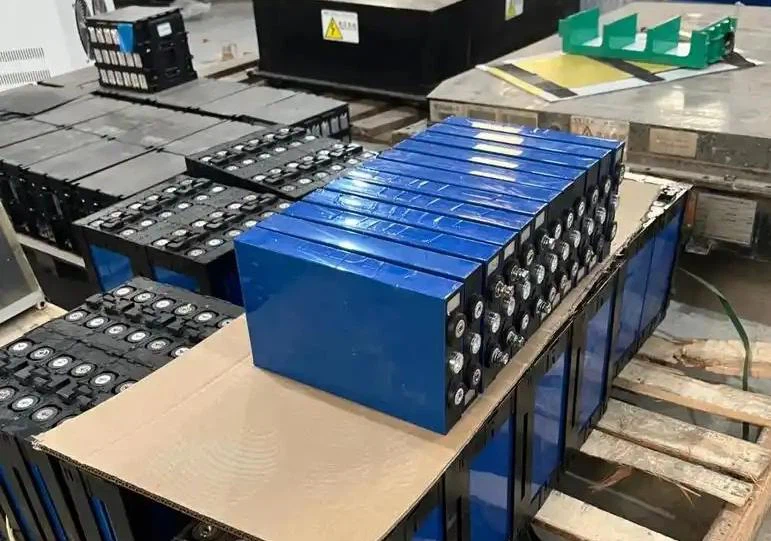
The core advantage of rack mounted lithium batteries lies in their modular design concept. Adopting a standard 19 inch rack specification, the battery pack, battery management system (BMS), thermal management components, etc. are integrated into standardized modules. Users can freely combine multiple modules according to their actual electricity needs to achieve flexible expansion of energy storage capacity. This design breaks the limitations of traditional energy storage devices with fixed capacity, and can easily meet the power replenishment needs of small businesses or the megawatt level energy storage needs of large data centers by increasing or decreasing the number of modules.
In the data center expansion project of an Internet enterprise, four rack lithium battery modules were initially deployed, with a total energy storage capacity of 50kWh. With the rapid growth of the business, adding only 6 modules to the existing rack can increase the energy storage capacity to 125kWh, and the entire expansion process only takes a few hours, without the need for large-scale renovation of the power system. In addition, modular design also facilitates equipment maintenance and replacement. When a module fails, operation and maintenance personnel can quickly disassemble and replace it, greatly reducing downtime and ensuring the continuous and stable operation of the system.
Intelligent management system: an energy hub for precise regulation
The intelligent battery management system (BMS) equipped with rack mounted lithium batteries is the core of achieving efficient energy management. BMS monitors key parameters such as voltage, current, temperature, and state of charge (SOC) of the battery in real-time, and uses advanced algorithms to precisely control the charging and discharging process of the battery. When the battery temperature is detected to be too high, the BMS will automatically activate the thermal management system for heat dissipation; Quickly cut off the circuit when the battery is close to overcharging or overdischarging to protect battery safety.
At the same time, the intelligent BMS also has data analysis and prediction functions. By learning and analyzing a large amount of historical data, it is possible to predict the state of health (SOH) of batteries in advance, detect potential faults and hazards in a timely manner, and issue warnings. In an energy storage project in a large industrial park, the intelligent BMS successfully predicted the potential short circuit risk of a battery module through continuous monitoring and analysis of battery data, and carried out maintenance in advance, avoiding production interruptions caused by battery failures and reducing economic losses by millions of yuan. In addition, BMS can also interact with power grid management systems and enterprise energy management platforms to automatically optimize charging and discharging strategies based on fluctuations in power grid prices and changes in enterprise electricity loads, achieving maximum energy cost savings.

Diversified application scenarios: meeting energy needs in different fields
Reliable power support for data centers
Data centers have extremely high requirements for the stability and continuity of power supply. Rack lithium batteries serve as backup power sources and can achieve millisecond level switching in the event of a power outage, providing continuous power to critical loads such as servers and network equipment. In a super large data center, a rack mounted lithium battery system with a total capacity of 1MWh was deployed. Despite multiple power failures, it was able to quickly start and provide stable power, ensuring the normal operation of the data center and avoiding data loss and business interruption caused by power outages. This effectively improved the service reliability and user experience of the data center.
Optimization Tool for Distributed Energy Systems
In distributed photovoltaic power generation, small-scale wind power generation and other systems, rack mounted lithium batteries can achieve energy storage and regulation. When there is an excess of renewable energy generation, lithium batteries store the excess electricity; During periods of insufficient power generation or peak electricity consumption, release electrical energy to balance power supply and demand. In a distributed photovoltaic project in a remote mountainous area, the use of rack mounted lithium batteries not only solves the problem of unstable power supply in the local power grid, but also achieves energy self-sufficiency. Excess electricity can be stored for nighttime use, improving the efficiency of renewable energy utilization and reducing dependence on traditional power grids.
Stable power source for industrial automation production lines
In the field of industrial automation production, many precision equipment have strict requirements for power quality, and voltage fluctuations and brief power outages may cause equipment damage or production interruptions. Rack mounted lithium batteries can provide stable power support for industrial automation production lines, ensuring the continuous operation of the production line in case of grid abnormalities. The automated welding production line of a certain automobile manufacturing factory uses rack mounted lithium batteries as a backup power source. During a regional power grid maintenance and power outage, the lithium battery system was promptly activated to ensure the normal operation of the welding equipment, avoid production stagnation, ensure the smooth completion of production plans, and improve the production efficiency and economic benefits of the enterprise.