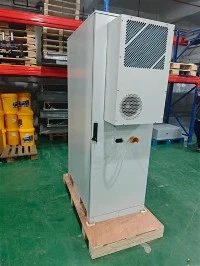
MECC has delivered a hybrid renewable energy solution for a tourist resort in Vietnam, consisting of a 3 MW photovoltaic system and a 10 MWh container‑type commercial & industrial battery energy storage system. The joint deployment supports higher‑level renewable energy integration and delivers valuable local grid‑support capabilities for the resort's daily hospitality operation.
Tourist resorts in tropical coastal Vietnam face real‑world operational challenges when adopting large‑scale solar power. Two major practical pain points restrict the value of PV‑storage assets.
Key Project Pain Points
Pain Point 1: Mismatch between solar generation and resort load profile plus weak grid tolerance to high PV penetration
The resort's peak power demand mainly occurs in the late afternoon and evening, driven by air‑conditioning, lighting, catering and guest‑facility loads. However, photovoltaic output peaks around midday. Without energy storage, abundant midday solar power cannot be fully consumed on‑site, leading to solar curtailment risk Meanwhile, the local distribution grid has limited hosting capacity for distributed renewable resources. Sudden PV power fluctuation caused by cloud cover brings voltage deviation, which may threaten sensitive hotel electrical equipment and affect guest experience.
Pain Point 2: Harsh tropical coastal environment imposes high requirements on energy‑storage equipment reliability
Located in a coastal tourist zone, the site features high ambient temperature, high humidity and salt‑spray corrosion risk. Ordinary energy‑storage equipment suffers accelerated ageing of electronic components and battery modules under such conditions. In addition, resort projects normally have limited construction windows; on‑site assembly of scattered battery, PCS and control devices would prolong commissioning cycles and raise integration risks.
MECC Targeted Technical Solutions
Solution 1: Intelligent EMS‑coordinated PV‑storage control to boost renewable integration and provide grid‑support functions
MECC's container‑type energy‑storage system is equipped with a powerful energy‑management platform. The EMS continuously collects real‑time PV generation data, resort load consumption and grid‑side status. During midday hours with strong sunlight, surplus photovoltaic power is stored inside the 10 MWh container‑based battery system. When solar output drops in the afternoon and evening, stored energy is discharged to supply resort loads. This greatly lifts the self‑consumption ratio of onsite PV and reduces solar curtailment.
Besides peak‑shifting for the end‑user, the system delivers grid‑support capability. When cloud transients cause sharp PV power swings, the PCS responds rapidly to compensate power fluctuation and stabilise local grid voltage. It eases stress on the weak distribution network and avoids equipment damage caused by voltage instability.
Solution 2: Factory‑pre‑integrated container‑type design adapted for coastal tropical climate
All core equipment including LFP battery clusters, PCS, BMS and fire‑protection units are fully assembled, wired and tested inside containers at MECC's factory before shipment. The container cabinet adopts anti‑corrosion coating and enhanced sealing design to resist high humidity and salt‑spray erosion for long‑term coastal operation. The built‑in thermal management system controls internal temperature for battery modules, mitigating performance degradation under high tropical ambient temperature.
Thanks to the turn‑key container solution, on‑site work is reduced to foundation construction and grid connection only. The commissioning period is significantly shortened, eliminating compatibility risks brought by field‑by‑field component matching. The containerised architecture also facilitates future capacity expansion if the resort expands its hospitality facilities.
Project Functions & Industry Impact
For the Vietnamese tourist resort, the 3 MW PV plus 10 MWh container‑type energy‑storage combination brings tangible business benefits. It cuts purchasing of expensive utility grid electricity, lowers overall energy expenditure for hotel operation, and improves power‑supply stability for guest‑critical loads. Reliable clean‑energy operation helps the resort build a green‑eco brand image among international visitors.
From the regional‑industry perspective, this project offers a replicable reference model for coastal hospitality sites across Southeast Asia. It demonstrates how container‑based commercial‑industrial energy‑storage can resolve the contradiction between large‑scale distributed solar roll‑out and limited local‑grid acceptance capacity. MECC's turn‑key PV‑storage hybrid solution accelerates renewable‑energy adoption in Vietnam's tourism sector and contributes to local low‑carbon energy transition.
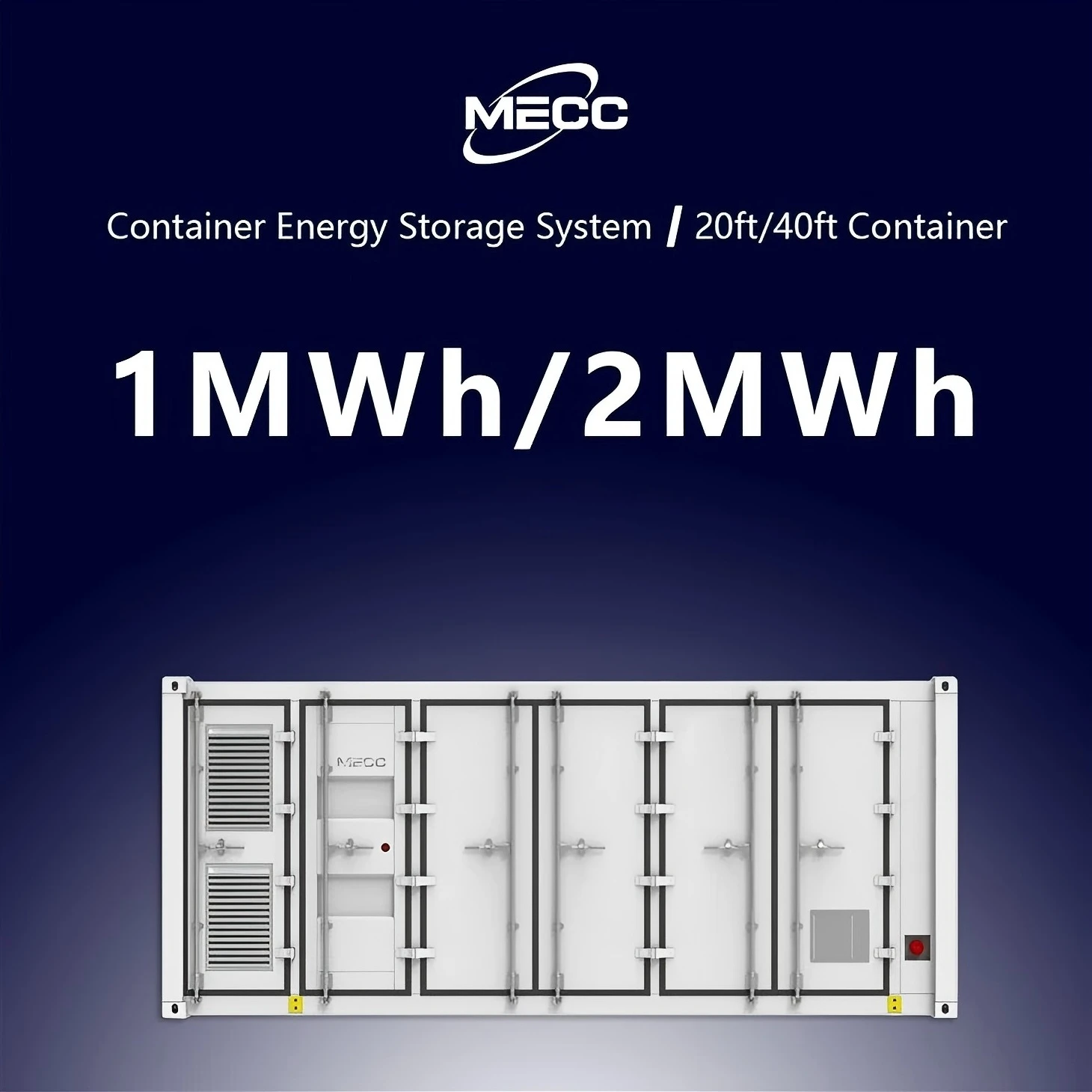
500KW/1MW 1MWh/2MWh Battery Energy Storage System Container
The 500kW/1MW 1MWh/2MWh Battery Energy Storage System Container is a turn‑key utility‑grade energy storage solution housed in standard 20ft or 40ft shipping containers, integrating bidirectional PCS, A‑grade LiFePO4 battery clusters, master BMS, liquid‑cooled thermal management, gas fire suppression, high‑voltage distribution and EMS energy management system with full factory pre‑assembly and pre‑commissioning. Requiring only foundation construction and high‑voltage cable connection for on‑site commissioning, it supports flexible power‑capacity configuration and multi‑container parallel expansion, delivering core capabilities of peak‑shaving and load shifting, renewable energy smoothing, frequency‑voltage grid support, islanded micro‑grid operation and large‑scale emergency backup. Featuring IP54 enclosure protection and comprehensive multi‑layer safety mechanisms, it adapts to diverse harsh outdoor environments, and is widely deployed for ground‑mounted PV power stations, industrial parks, mining operations, island microgrids and grid‑side auxiliary service projects to stabilize grid fluctuations, boost renewable energy utilization and reduce comprehensive energy costs.