


Content Menu
● Voltage and Frequency Synchronization
● Communication and Protection
● Can a grid-tied inverter be used in off-grid solar power systems?
● Lack of Energy Storage Management
● Grid Synchronization Dependency
● Limited Backup and Standby Capabilities
● Absence of Islanding Protection
● Power Quality and Regulation
● Summary
● FAQ
>> 1. Can I connect multiple grid tied inverters together?
>> 2. What is the impact of extreme weather on a grid tied inverter?
>> 3. How do I monitor the performance of my grid tied inverter?
>> 4. Are there any government incentives for using grid tied inverters?
>> 5. What is the difference between a single phase and a three phase grid tied inverter?
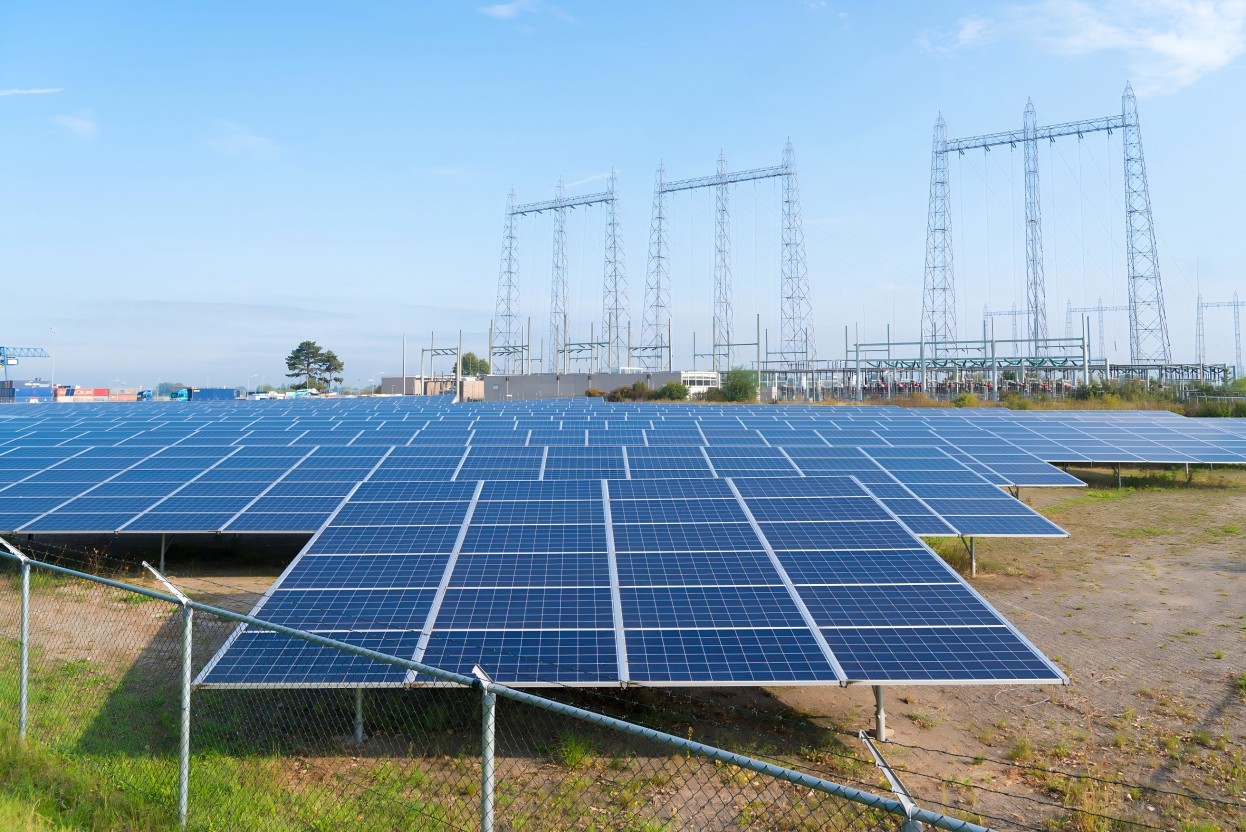
A grid-tied inverter interacts with the utility grid in several ways. Firstly, it converts the direct current (DC) generated by solar panels or other distributed energy sources into alternating current (AC) that matches the voltage, frequency, and phase of the utility grid. This conversion is crucial as the grid operates on AC. Then, it continuously monitors and synchronizes with the grid's electrical parameters. It adjusts its output to ensure that the frequency and phase are precisely in line with those of the grid. When the inverter detects that its output is in sync, it can safely feed the generated power into the grid. In case of any abnormalities in the grid, such as voltage sags, swells, or frequency deviations beyond acceptable limits, the grid-tied inverter is designed to disconnect from the grid to protect both the inverter and the grid equipment. Moreover, it can also communicate with the grid operator or smart grid systems to provide information about the power generation, such as the amount of power being fed into the grid and the status of the inverter. This enables better grid management and optimization of power distribution. Overall, the grid-tied inverter plays a vital role in integrating distributed energy resources into the utility grid in a seamless and reliable manner.
Voltage and Frequency Synchronization
Monitoring Grid Parameters: The grid-tied inverter is equipped with sensors and control circuits that continuously monitor the voltage and frequency of the utility grid. It needs to know the exact values of these parameters to ensure proper connection and operation.
Matching Output: The inverter adjusts the voltage and frequency of the alternating current (AC) it generates to match those of the utility grid. This is typically achieved through advanced control algorithms and power electronics components. For example, if the grid voltage is 220 volts and the frequency is 50 Hz, the inverter will adjust its output to precisely match these values.
Detecting Grid Phase: In addition to voltage and frequency, the inverter must also align the phase of its output with that of the grid. The phase represents the timing of the AC waveform. The inverter uses phase-locked loop (PLL) circuits to detect the phase of the grid voltage and then adjusts the phase of its own output accordingly.
Ensuring Smooth Connection: Once the phase of the inverter's output is aligned with the grid, the power can be smoothly fed into the grid without causing disruptions or power quality issues. This phase alignment is crucial for maintaining the stability and efficiency of the power system.
Controlling Output Power: The grid tied inverter can control the amount of power it feeds into the grid based on various factors. These factors include the amount of solar power generated by the solar panels, the load demand on the grid, and any control signals received from the grid operator. For example, if the solar panels are generating more power than the local load requires, the inverter will increase the power fed into the grid.
Reactive Power Compensation: Some grid tied inverters are also capable of providing reactive power compensation. Reactive power is required to maintain the voltage stability of the grid. The inverter can adjust the amount of reactive power it supplies or absorbs to help optimize the power factor of the grid and improve its overall efficiency.
Communication with Grid Operator: In some cases, the grid tied inverter may communicate with the grid operator through a communication interface. This allows the grid operator to remotely monitor the operation of the inverter and control its power output if necessary. For example, during periods of high grid demand or grid instability, the grid operator may send commands to the inverter to adjust its output.
Protection Functions: The inverter is equipped with various protection mechanisms to ensure the safety of the grid and the connected equipment. These include overvoltage protection, overcurrent protection, underfrequency protection, and anti islanding protection. If the inverter detects any abnormal conditions in the grid, such as a voltage spike or a frequency deviation outside the normal range, it will immediately disconnect from the grid to prevent damage.

Can a grid-tied inverter be used in off-grid solar power systems?
A grid-tied inverter is not typically designed to be used in off-grid solar power systems, and there are several reasons for this:
Lack of Energy Storage Management:
Off-grid solar power systems require the ability to manage and store energy in batteries for use during periods when the sun is not shining or when power demand exceeds solar generation. Grid-tied inverters are primarily designed to convert DC power from solar panels to AC power and feed it directly into the grid. They do not have the necessary built-in features and control mechanisms to manage the charging and discharging of batteries effectively. For example, they lack the ability to adjust the charging voltage and current based on the battery's state of charge, which is crucial in off-grid systems to ensure the longevity and proper functioning of the batteries.
Grid Synchronization Dependency:
Grid-tied inverters rely on the presence of a stable utility grid for voltage and frequency synchronization. In an off-grid setup, there is no grid to synchronize with, so the inverter would not be able to operate properly. It needs a reference from the grid to adjust its output voltage, frequency, and phase. Without a grid connection, the inverter would not be able to provide a stable AC output for powering off-grid loads.
Limited Backup and Standby Capabilities:
In off-grid systems, it's often necessary to have backup power sources or the ability to seamlessly switch between different power sources. Grid-tied inverters are not designed with these capabilities in mind. They are focused on feeding power into the grid and do not have the features for managing multiple power sources or providing backup power in case of solar panel failure or insufficient sunlight.
Absence of Islanding Protection:
In off-grid systems, the concept of "islanding" (the inverter operating independently from the grid) is the norm, not a problem to be protected against as in grid-tied systems. Grid-tied inverters have anti-islanding protection features to ensure they disconnect from the grid in case of grid failures to prevent safety hazards and equipment damage. These features are not only unnecessary but can actually prevent the inverter from functioning properly in an off-grid environment.
Off-grid systems may have different power quality requirements compared to grid-tied systems. Grid-tied inverters are optimized to meet the power quality standards of the utility grid, which may not be suitable for off-grid loads. For example, off-grid loads such as motors or sensitive electronics may require a more stable and clean power supply with tight voltage and frequency regulation. Grid-tied inverters may not be able to provide the necessary level of power quality without significant modifications.
In summary, while it is technically possible to modify a grid-tied inverter for off-grid use with significant technical expertise and additional components, it is not a practical or recommended solution. Off-grid solar power systems are better served by using inverters specifically designed for off-grid applications, such as off-grid inverters or hybrid inverters that combine the functions of an inverter and a battery charger and are equipped with the necessary features to handle energy storage, power management, and standalone operation.

1.Q: Can I connect multiple grid tied inverters together?
A: Yes, in some larger solar power systems, multiple grid tied inverters can be connected together. However, this requires careful planning and consideration of factors such as the total power capacity, voltage matching, and communication between the inverters. The inverters should be compatible with each other, and the system design should follow local electrical codes and regulations.
2.Q: What is the impact of extreme weather on a grid tied inverter?
A: Extreme heat can cause the inverter to overheat, reducing its efficiency and potentially shortening its lifespan. In cold weather, condensation may occur inside the inverter, which could lead to electrical problems. Strong winds and heavy rain can also pose risks if the inverter is not properly installed or protected. Installing the inverter in a sheltered and well ventilated location can help mitigate these effects.
3.Q: How do I monitor the performance of my grid tied inverter?
A: Many modern grid tied inverters come with built-in monitoring systems. You can access the monitoring data through a local display on the inverter, or remotely via a mobile app or web portal. The data includes information such as power generation, operating temperature, and fault alerts. Regularly monitoring these metrics can help you identify any issues early and ensure optimal performance.
4.Q: Are there any government incentives for using grid tied inverters?
A: In many regions, there are government incentives for installing grid tied solar power systems, which include the use of grid tied inverters. These incentives can come in the form of tax credits, rebates, or feed in tariffs. The specific incentives vary by location, so it's important to research and check with your local government or energy department for the latest information.
5.Q: What is the difference between a single phase and a three phase grid tied inverter?
A: A single phase grid-tied inverter is used for smaller residential or low power applications and is connected to a single phase electrical supply. It is suitable for homes with normal household loads. A three phase grid-tied inverter is used for larger commercial or industrial applications and is connected to a three phase electrical supply. It can handle higher power loads and is more efficient for distributing power in larger facilities.