


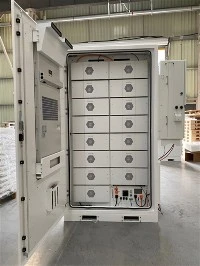
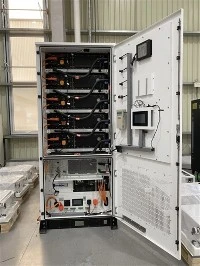
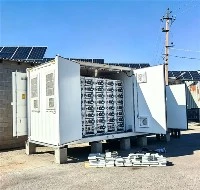
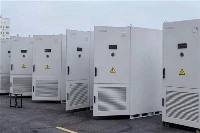
Against the backdrop of accelerating global energy transition and building a green and low-carbon energy system, energy storage systems, as a key support for balancing energy supply and demand and enhancing the stability of the power system, continue to expand in market size. Lithium batteries dominate the energy storage field with significant advantages such as high energy density, long cycle life, and fast charging and discharging. Their market development is showing a vigorous upward trend, but they also face a series of opportunities and challenges.
1 Rapid growth in market size
(1) Global market: dual increase in installed capacity and market value
In recent years, the global market size of lithium energy storage batteries has shown explosive growth. According to the International Energy Agency (IEA), the global installed capacity of lithium energy storage batteries will reach 150GWh in 2024, an increase of over 60% compared to the previous year, and the cumulative installed capacity will exceed 500GWh. In terms of market value, the global energy storage lithium battery market is expected to reach $30 billion by 2024 and exceed $150 billion by 2030, with a compound annual growth rate of over 30%. This growth is mainly due to the strong support of various countries for the development of renewable energy and the increasing importance of energy storage in the power system. In Europe and America, with the advancement of clean energy targets, a large number of energy storage projects have been implemented, driving a surge in demand for energy storage lithium batteries. For example, California in the United States plans to build multiple large-scale energy storage power stations to address grid stability issues, with lithium battery energy storage projects accounting for over 80%, greatly promoting the development of the local energy storage lithium battery market.
(2) Chinese market: leading global growth and occupying an important share
As the world's largest new energy market, China has also performed well in the field of energy storage lithium batteries. In 2024, China's newly installed capacity of energy storage lithium batteries will reach 80GWh, accounting for more than half of the world's newly installed capacity. The growth of the domestic market is mainly driven by policies. The country has introduced multiple policies to encourage the development of the energy storage industry, such as the requirements for the configuration of "new energy+energy storage" projects and the participation of energy storage in electricity market transactions, which have stimulated the demand for energy storage on the generation side, grid side, and user side. On the power generation side, numerous photovoltaic and wind power projects have built lithium battery energy storage systems in accordance with policy requirements; On the power grid side, various regions actively layout energy storage power stations for peak shaving and frequency regulation, and improve power supply reliability; On the user side, the acceptance of energy storage systems by industrial and commercial users and residents is gradually increasing, in order to achieve energy cost control and electricity autonomy. For example, in economically developed provinces such as Jiangsu and Zhejiang, a large number of industrial and commercial users have installed lithium battery energy storage systems, utilizing the peak valley electricity price difference to reduce electricity costs and promote the development of energy storage lithium batteries in the user side market.

2 The competitive landscape is gradually taking shape
(1) Top enterprises dominate the market, highlighting their technological and scale advantages
In the global energy storage lithium battery market, a leading pattern has been formed, represented by leading companies such as CATL, LG Chem, and Panasonic. As the world's largest supplier of power and energy storage batteries, CATL holds a significant market share in the lithium energy storage battery market with its leading technological research and development capabilities, large-scale production capacity, and comprehensive industrial chain layout. In 2024, CATL's global shipment of energy storage lithium batteries will account for over 30%. Its high-capacity and long-life energy storage lithium battery products are widely used in multiple large-scale energy storage projects worldwide. International companies such as LG Chem and Panasonic have also gained a foothold in high-end markets such as Europe and America by leveraging their technological advantages in battery materials and manufacturing processes. These top companies continue to invest in research and development, continuously improve product performance, expand production scale, reduce costs, and further consolidate their market position.
(2) The rise of emerging enterprises and intensified differentiated competition
In addition to leading enterprises, a group of emerging energy storage lithium battery companies have rapidly emerged and gained a share of the market through differentiated competition. These enterprises focus on niche markets and make efforts in specific application areas or technological routes. For example, some companies focus on researching and developing high-performance lithium iron phosphate energy storage batteries. With the advantages of high safety and low cost of this material, they have gained development opportunities in the grid side energy storage market with extremely high safety requirements and the cost sensitive user side energy storage market; Some companies are committed to developing new battery technologies, such as solid-state lithium batteries, sodium ion batteries, etc., hoping to break the existing market pattern through technological innovation. In China, emerging enterprises such as EVE Energy and Haichen Energy Storage have developed rapidly in the field of energy storage lithium batteries. By launching competitive products, they have gradually expanded their market share and intensified the intensity of market competition.

3 Wide prospects for future development
(1) Technological innovation drives performance improvement and cost reduction
With the continuous advancement of materials science, manufacturing processes, and battery management technology, the performance of energy storage lithium batteries will continue to improve and costs will be further reduced. In terms of materials, the research and application of new positive electrode materials (such as high nickel ternary materials, lithium manganese iron phosphate, etc.) and negative electrode materials (such as silicon-based materials) will improve battery energy density and cycle life; In terms of manufacturing technology, the development of high-precision electrode preparation and advanced packaging technology will improve battery production efficiency and product quality; The battery management system introduces technologies such as artificial intelligence and big data analysis to achieve precise monitoring and intelligent control of battery status, extending battery life. It is expected that by 2030, the energy density of energy storage lithium batteries will increase by more than 50%, and the cost will be reduced by 30% -50%, further enhancing their competitiveness in the energy storage market.
(2) Expanding application scenarios to stimulate market demand
With the deepening of energy transformation, the application scenarios of energy storage lithium batteries will continue to expand. In addition to traditional applications on the power generation side, grid side, and user side, the demand for energy storage lithium batteries will also grow rapidly in areas such as 5G base station backup power, electric vehicle charging and swapping facilities, and microgrids. In the field of 5G base stations, lithium battery energy storage systems can serve as backup power sources to ensure the normal operation of base stations during power outages, while utilizing the peak valley electricity price difference to reduce electricity costs.