



1. Overview of Square Shell Battery Modules
Square shell battery modules play a crucial role in the energy field, and with their unique technological advantages, they have been widely applied in many fields.

(1) List of Common Application Fields
In the field of electric vehicles, square shell battery modules are one of the core components that provide power support for vehicles. Its high energy density can meet the requirements of new energy vehicles for range. For example, mainstream new energy vehicle brands in the market such as DJI and Yihang mostly use lithium batteries as their power source, with a range of more than 30 minutes, meeting users' shooting needs. At the same time, square shell battery modules have the characteristics of long cycle life, high safety, and good environmental adaptability, which can meet the needs of new energy vehicles in terms of power performance, safety, and cost-effectiveness.
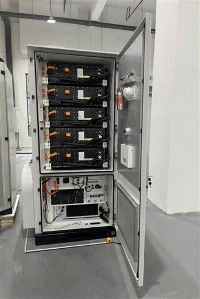
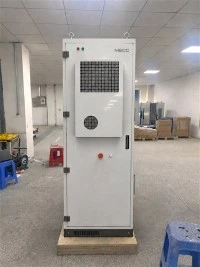
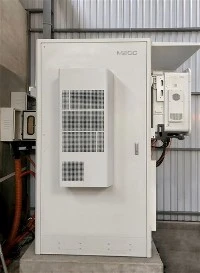
In the field of energy storage equipment, square shell battery modules are mainly used to build large-scale energy storage systems to balance grid supply and demand, improve grid stability and reliability. These energy storage systems can store electrical energy during low load periods of the power grid and release it during peak hours, effectively alleviating the peak valley difference of the power grid and improving the economy and efficiency of power grid operation. In addition, square shell battery modules are widely used in renewable energy storage solutions, such as energy storage systems for solar and wind power plants, to ensure stable supply and efficient utilization of renewable energy.
In the field of drones, batteries are one of the core components of drones, and square shell battery modules provide powerful power support for drones due to their high energy density, lightweight, and long cycle life. For example, in China, the drone market has shown a rapid growth trend in the past few years, and has demonstrated enormous potential in multiple fields such as aerial photography, agriculture, forestry, electricity, and logistics.
In the aerospace field, square shell battery modules have been widely used due to their high reliability and safety advantages. In the design and manufacturing process of square shell battery modules, emphasis is placed on improving the reliability and stability of the product. By using high-quality materials, advanced processes, and strict quality control systems, the battery module ensures stable performance under various working conditions.
2. Key points of design for square shell battery module

(1) Advantages of high energy density
The cell shape of the square shell battery module is square, which allows it to store more electrical energy with the same volume and weight. This design fully utilizes the internal space of the battery pack, improving the efficiency of space utilization. Taking electric vehicles as an example, high-energy density square shell battery modules can significantly improve the vehicle's range and meet users' needs for long-distance travel. In the field of energy storage devices, high energy density is equally crucial as it can store more electrical energy in a limited space to meet the demand for large-scale energy storage. According to statistics, energy storage devices using square shell battery modules can increase their energy density by more than 20% compared to traditional batteries.
(2) Characteristics of high space utilization
Compared with traditional cylindrical batteries, the square design of square shell battery modules can be arranged more tightly together. This not only reduces space waste, but also allows the battery pack to carry more batteries within a limited volume, thereby improving overall energy density. In space constrained application scenarios such as electric vehicles, high space utilization is particularly important. For example, in some compact electric vehicles with limited space, the high space utilization of the square shell battery module can provide the vehicle with more battery capacity, thereby increasing the range.

(3) High security guarantee
Square shell battery modules usually use high-strength materials such as aluminum as the outer shell, which has high strength and toughness. This design can effectively prevent battery short circuits, leakage, and other issues, improving the safety of the battery. In addition, the square shell battery module also adopts advanced technologies such as laser sealing technology to enhance the sealing of the battery pack and further ensure the safety of the battery. For example, some square shell battery modules can maintain stable performance under extreme conditions such as high temperature, high voltage, collision, etc. after strict safety testing, and the battery will not explode, catch fire or other dangerous situations.
(4) High reliability performance
In the design and manufacturing process, square shell battery modules focus on improving product reliability and stability. By using high-quality materials, advanced processes, and strict quality control systems, the battery module ensures stable performance under various working conditions. For example, in the aerospace industry, the reliability requirements for batteries are extremely high. Square shell battery modules, with their high reliability, can work stably in harsh environments and provide reliable power support for aircraft.
(5) Highly customizable
The square design makes the square shell battery module highly customizable. Due to the greater freedom of square design, it can be customized according to different application scenarios and requirements. For example, battery modules that meet specific requirements such as vehicle model, battery capacity, and charging speed can be customized. This flexibility enables the square shell battery module to better adapt to market demand and meet the personalized needs of different customers.
(6) Environmental Protection and Sustainability
In the production and use process, square shell battery modules pay attention to environmental protection and sustainability. Many production enterprises use pollution-free and environmentally friendly materials in their production process, and pay attention to energy conservation and emission reduction. In addition, the square shell battery module also has a high cycle life and recycling value, which helps to reduce resource consumption and environmental pollution. According to statistics, the cycle life of square shell battery modules can reach thousands of times, which is higher than that of traditional batteries. Meanwhile, the recycled square shell battery module can be reused, further reducing its impact on the environment.
3. Introduction to the process of square shell battery module

(1) Material preparation stage
The process of the square shell battery module PACK production line begins with the material preparation stage, which is crucial. The raw materials for battery components such as positive electrode materials, negative electrode materials, and electrolytes are like the cornerstone of a building, and their quality directly determines the performance of the final product. At this stage, quality control is particularly crucial, and manufacturers need to establish a strict quality inspection system to ensure that every raw material meets high standards of quality requirements. For example, strict testing is conducted on the purity of positive electrode materials to ensure efficient ion transport during battery charging and discharging processes. At the same time, evaluate the stability of the negative electrode material to prevent adverse reactions during use. Only raw materials that have undergone strict screening can lay a solid foundation for subsequent process steps.
(2) Manufacturing process of battery cells
As the core component of batteries, battery cells are manufactured using advanced battery cell production technology. The winding or stacking process can accurately combine positive and negative electrode materials together to form a stable battery cell structure. In this process, high precision and consistency are required. For example, by precisely controlling the tension and speed of winding, the internal structure of each battery cell is ensured to be uniform and consistent, thereby ensuring the stability of performance. At the same time, the stacking process requires strict control of the thickness and alignment of each layer of material to improve the energy density and cycle life of the battery cells. The key to this step is to ensure the consistency and performance stability of the battery cells, providing high-quality core components for subsequent process steps.
(3) Cell testing process
After completing the battery cell manufacturing, the battery cell testing is carried out immediately. By conducting comprehensive tests on the electrical performance of battery cells, such as voltage, capacity, internal resistance, and other parameters, we can screen out battery cells that meet the standards. This stage is like selecting soldiers, only the best battery cells can enter the next stage. According to statistics, after strict testing and screening, the battery cells can perform better in subsequent production, greatly improving the quality and reliability of the entire battery module. Ensure that each battery cell can perform well in subsequent production, providing a reliable foundation for module assembly.
(4) Module assembly process
In the module assembly stage, highly automated assembly equipment plays an important role. The battery cells are assembled into modules in an orderly manner, completing steps such as cell arrangement, wire bonding, and insulation material addition. Automated equipment can ensure the assembly accuracy and speed of each module, improving production efficiency. For example, in the process of arranging battery cells, precise mechanical positioning ensures even spacing between cells, which is beneficial for heat dissipation and performance improvement. The welding of connecting wires requires high-precision welding equipment to ensure a firm and reliable connection, reduce resistance, and improve energy transmission efficiency. The addition of insulation materials can effectively prevent leakage and short circuits, and improve the safety of battery modules.
(5) Cell matching technology
In order to improve overall performance, the square shell battery module PACK production line adopts cell matching technology. By accurately matching the performance of the battery cells, the consistency of each module during the charging and discharging process is ensured. This is like forming an excellent band, where each instrument needs to be coordinated and consistent in order to play beautiful music. For example, matching based on parameters such as cell capacity and internal resistance enables the cells in each module to work synchronously during charging and discharging, reducing energy loss and improving the overall performance and service life of battery components.
(6) Packaging and quality inspection steps
After completing the module assembly, the product enters the packaging stage. At the same time, comprehensive quality inspection is conducted on battery components to ensure that the products meet quality standards. During the packaging process, environmentally friendly and sturdy packaging materials are used to protect the product from damage during transportation and storage, while also meeting environmental requirements. The quality inspection process conducts a comprehensive inspection of the appearance and functionality of the product, including checking for scratches on the outer shell, secure connections, and compliance with performance standards. To ensure that users receive high-quality and reliable battery products.
(7) Finished product testing process
The final product testing is carried out on the production line, which comprehensively tests the electrical performance, safety, and other aspects of the overall battery module PACK. This step is like the final test of the product, ensuring the quality level before leaving the factory and meeting the needs of the market and customers. For example, conducting electrical performance testing to check whether the capacity, voltage, internal resistance and other parameters of the battery module meet the design requirements; Conduct safety testing, including performance under overcharge, overdischarge, short circuit, high temperature, and other conditions. Only products that have passed these rigorous tests can enter the market and provide reliable power support for users.
4. Design case of square shell battery module

(1) Design of SAIC-GM Ultium Battery Module
1. Introduction to the characteristics of three types of modules
SAIC GM's Ultium battery module design has unique features. It consists of a soft pack battery and two square shell cells of different thicknesses to form the battery cell foundation, which makes the module compatible in terms of overall size. Whether in different models of electric vehicles or in different usage scenarios, it can be flexibly applied.
All three modules adopt module integrated cooling method, which integrates the water-cooled plate at the bottom. This design can effectively reduce battery temperature, improve battery performance and lifespan. According to relevant data, battery modules using module integrated cooling can reduce battery temperature by more than 10% compared to traditional cooling methods.
The square shell module adopts a two terminal output method, while the soft pack module adopts a single terminal output method. This design makes Pack compatible with two different high-voltage busbar connections, and the overall design is simplified due to the absence of low-voltage sampling and communication lines. This not only reduces production costs, but also improves production efficiency.
2. Square shell module design display
SAIC General Motors has clearly demonstrated the square shell battery of Ultium, which is mainly divided into two different thicknesses of batteries (with the same height and width). In the design of the discharge valve for battery cells, two types of batteries have undergone different treatments. This design can effectively improve the safety of batteries and prevent explosions in the event of overcharging, overdischarging, short circuits, and other situations.

In terms of thermal runaway protection, the following measures are mainly taken: insulation materials are used to protect the spacing between each battery cell, and mica sheets are used to block the pressure relief valve above the battery cell. This ensures the safety of the battery even if the upper cover of the battery module is plastic. Meanwhile, integrated cooling can also help improve the heat dissipation of battery cells during normal and thermal runaway states, reduce battery temperature, and enhance battery performance and lifespan.
There is no low-voltage interface design seen in this module, and the protruding part may be the PCBA of the wireless CMU inserted. This part is powered and sampled through FPC and bridged first. This design not only improves the integration of battery modules, but also reduces production costs.
3. Explanation of Soft Package Module Design
The design of the soft pack module was not the focus of the design released in China, so only one module was displayed without dissection. The soft pack module and the square shell module have the same size and installation point, and have been treated with the same terminal output on the module's bus output interface. Due to the space in the Z-direction of the module, there is no visible protruding structure of the wireless CMU here.
The design of the soft pack module showcases the animation of the battery cells and design, which is actually quite similar to the concept of compatibility between the MEB soft pack and the square shell design of Volkswagen. Due to its soft package module, General Motors has arranged two stacking concepts with different directions, designed with different heights and capacities, providing users with more choices.
(2) Tesla LFP version Model 3 battery design
1. Module compatibility design size description
The Tesla LFP version Model 3 battery module adopts a compatible design, with two different configurations of 25 cells and 28 cells, totaling 106 cells, made into two module specifications to be compatible with the original ternary module design. This design can effectively reduce production costs and improve production efficiency.

According to relevant data, battery modules with this compatible design can reduce production costs by more than 20% compared to traditional designs. At the same time, this design can also improve the performance and lifespan of the battery, meeting users' requirements for the range of electric vehicles.

2. Introduction to Water Cooling Plate and Installation Structure Design
The water-cooled plate is integrated into the bottom of the module and has a complete external structure that matches this water-cooled plate. On the one hand, it gives the module sufficient mechanical strength, and on the other hand, it also has sufficient insulation distance. The main function of water-cooled plates on LFP is low-temperature heating, and in subsequent NCM versions, the issue of heat dissipation needs to be addressed.
The major challenge in designing 82mm thick battery cells is how to achieve super fast charging of 250kW. In this design, due to the height of the square shell battery cells and the corresponding sampling and insulation boards of the module, Tesla has adjusted the layout of the CMU sampling board. It is not in the original module lying part, but in the flexible circuit board extension mode. Here, only the cut part is used.
3. Explanation of CMU sampling sample layout adjustment

Due to the height of the square shell battery cells and the corresponding sampling and insulation boards of the module, Tesla adjusted the layout of the CMU sampling board and adopted a flexible circuit board extension mode. This design can effectively reduce production costs and improve production efficiency.
According to relevant data, the layout of CMU sampling plates using flexible circuit board extension mode can reduce production costs by more than 15% compared to traditional designs. At the same time, this design can also improve the integration of battery modules, reduce the weight of battery modules, and increase the range of electric vehicles.
5. The development trend of square shell battery module technology

(1) Characteristics of automated production line
1. Efficient production
With the continuous advancement of technology, the role of automated production lines in the production of square shell battery modules has become increasingly prominent. After the introduction of robots and automation equipment, production efficiency has been greatly improved. For example, in the assembly process of battery cell modules, automated equipment can complete complex operations at an extremely fast speed, greatly shortening the production cycle. According to statistics, compared to traditional manual operations, automated production lines can complete several times or even dozens of times the workload in the same time, meeting the growing demand for battery modules in the market. This not only improves the production capacity of the enterprise, but also better adapts to the rapidly changing market environment.

2. Reduce labor costs
The application of automated production lines reduces reliance on a large number of workers, thereby lowering labor costs. In the traditional production mode, a large number of workers are required for repetitive labor, which not only results in high labor costs, but also makes it difficult to ensure production efficiency and quality. Automated production lines can achieve unmanned or less manned production, requiring only a small number of technical personnel for monitoring and maintenance. At the same time, the operation of automated production lines is more stable, reducing production fluctuations and errors caused by human factors, further improving production efficiency and product quality.
3. Improve product quality stability
Accurate mechanical operation and strict quality control are key to ensuring product consistency and accuracy in automated production lines. Automated equipment can complete every production process with high-precision actions, ensuring the assembly accuracy and quality of battery cell modules. For example, in the welding process of connecting wires, automated welding equipment can ensure the firmness and reliability of the welding points, reduce resistance, and improve the efficiency of electrical energy transmission. In addition, automated production lines can also monitor and trace data in real-time during the production process. Once problems are discovered, they can be adjusted and processed in a timely manner. This helps to detect and solve problems in a timely manner, improving product quality stability.
4. Security Enhancement
The assembly process of square shell battery modules involves high voltage and high energy density materials, and manual operation may pose safety risks. Automated production lines reduce operational risks and improve production safety by adopting safety protection measures and intelligent control systems. For example, in the testing process of battery modules, automated testing equipment can comprehensively test the electrical performance and safety of the battery, ensuring that the product meets safety standards. At the same time, intelligent control systems can monitor safety hazards in the production process in real time. Once abnormal situations are detected, timely measures can be taken to ensure the safety of production personnel.
5. Increased flexibility
The modular design enables the automated production line to have strong flexibility and can be adjusted according to different product requirements and process changes. For example, when market demand changes, enterprises can quickly produce products that meet market demand by adjusting the module combination of automated production lines. This flexibility enables the production line to adapt to market changes and meet diverse production needs. At the same time, modular design also facilitates the maintenance and upgrading of production lines, reducing the operating costs of enterprises.
6. Environmental protection and energy conservation
Automated production lines help achieve environmental protection and energy conservation by optimizing production processes and reducing unnecessary energy waste. For example, in the production process, automated equipment can adjust energy consumption reasonably according to actual needs, avoiding energy waste. In addition, automated production lines can also reduce waste and pollutant emissions during the production process, which is in line with the development trend of green manufacturing. This is not only beneficial for protecting the environment, but also for establishing a good social image for enterprises and enhancing their competitiveness.
(2) Prospect of Square Stacking Process
1. Comparative analysis of lamination and winding processes
The winding process has long dominated the field of power batteries, mainly due to its high production efficiency and low cost. From the perspective of development history, winding technology has been applied since consumer batteries, and has gone through the development process from manual winding machines, semi-automatic winding machines to fully automatic winding machines, greatly improving production efficiency. In the process of developing from consumer batteries to power batteries, winding technology has also followed suit and is widely used in square and cylindrical batteries. At present, the total installed capacity of square power batteries for new energy vehicles in China is about 42.25 GWh, accounting for 74.1% of the total installed capacity, most of which use winding technology. In contrast, the lamination process is currently mainly applied in the field of soft pack batteries with a smaller market share. The laminating process has obvious disadvantages such as low production efficiency, high process complexity, difficult quality control, large equipment footprint, and high investment ratio per watt hour. At present, the efficiency of the domestic laminating machine industry is generally 1-1.2 seconds per piece per single station. Only when the efficiency is improved to around 0.2 seconds per piece, can the laminating process be comparable in cost to the winding process.
2. Longer battery size and advantages of stacking
With the development of electric vehicles, companies are beginning to develop chassis, battery modules, and cell sizes for electric vehicles. The MEB platform of Volkswagen is a typical example, where the module and cell sizes of its batteries are increasing. The industry generally believes that large modules and large batteries are the development trend of future power batteries. As batteries become longer, the winding process will become increasingly difficult to achieve. The laminated process has significant advantages in performance. Under the same conditions, the laminated process can increase battery energy density by 5%, cycle life by 10%, and cost by 5%. For example, Yang Hongxin, the general manager of Honeycomb Energy, introduced that the energy density of batteries produced by laminated technology is higher, which can meet the demand of electric vehicles for range; Longer cycle life, reducing user usage costs; Lower costs have improved the competitiveness of enterprises.
3. Breakthrough in equipment for laminated process production
Honeycomb Energy has made significant breakthroughs in the development of laminated production equipment. At present, the development and introduction of a 45 degree rotating high-speed laminating machine have been completed, with a single station laminating efficiency of up to 0.6 seconds per sheet. At the same time, the honeycomb has completed the verification of a single station speed of 0.45s/piece and the development and manufacturing of prototypes. It is expected that a single station laminating equipment with a speed of 0.25s/piece can be developed by 2023. By 2023, the 0.25 second ultra high speed laminating process will effectively solve the efficiency problem of laminating process and is expected to surpass the efficiency of winding process. For example, the first phase production line of Honeycomb Energy at the Jintan factory in Changzhou has been upgraded to a single station production efficiency of 0.6 seconds per piece, and the production capacity will reach 4GWh in 2021; The second phase can achieve high-speed stacking in 0.45 seconds, with a production capacity of 8GWh by 2022. In addition, the 0.6-second high-speed laminating technology production equipment of Honeycomb Energy is produced in cooperation with foreign equipment suppliers, while the 0.45-second equipment is independently designed by Honeycomb Energy. More than 10 related patents have been applied for, and it will be jointly developed with two equipment suppliers in the future.
6. Difficulties in the design and process of square shell battery modules
(1) Difficulties of Nezha Tiangong Battery
1. Analysis of structural design difficulties
Tiangong Battery faces many structural design difficulties in the process of module free integration. When designing CTC square shell batteries, the overall protection under thermal runaway is a key challenge. A ternary battery cell with an energy density of 246Wh/kg has enormous energy, and a battery cell close to 1kWh releases intense heat. To address this issue, Tiangong Battery has taken a series of measures. Firstly, a single piece of insulation sheet is used to protect the upper cover of the composite material, in order to prevent serious damage to the battery pack caused by heat during thermal runaway. At the same time, in order to design the tray with low edges, a composite material cover is specially used. On the one hand, it can effectively improve the edge coverage ability, and on the other hand, it is necessary to ensure that the insulation material can protect the cover from damage during thermal runaway.
In addition, the grid format module design of Tiangong Battery has also brought challenges to structural design. This design needs to fill space grade low thermal conductivity aerogel thermal insulation material between the electric cores, and at the same time, it needs to achieve thermal insulation of more than 1000 degrees, UL94 V0 flame retardant, military industrial electrical protection with 800V electrical insulation redundancy safety design, sampling short circuit redundancy design, module and short circuit redundancy safety design, as well as compartment type structural protection of lightweight high-strength aluminum frame, expansion structure safety of more than 2000N, and highly integrated customized large module. These requirements place extremely high demands on the selection of materials and the precision of processes.
2. Exploration of Difficulties in Battery Management System
After joining cloud management, Tiangong Battery's battery management system faces difficulties such as cloud based SOH algorithm estimation based on a large amount of data extraction. Cloud management requires a large amount of data collection and high-speed uploading to server platforms, which poses challenges to the stability and security of data transmission. At the same time, how to accurately extract useful information from massive data and perform cloud based SOH algorithm estimation to achieve better management of batteries is also a technical challenge.
In the in vehicle system, the BMS algorithm needs to provide more basic battery operating status, combined with domain controllers and cloud based algorithms to manage the battery. This requires efficient and accurate collaboration between different algorithms to avoid conflicts or misjudgments. Moreover, with the continuous accumulation of battery data, how to effectively store, manage, and analyze the data to continuously optimize the battery management system is also a long-term challenge.
(2) Difficulties in laser welding of energy storage square shell battery pack module

1. Explanation of welding difficulties for square shell battery PACK module busbar
There are multiple difficulties in welding the busbar of the energy storage square shell battery PACK module. Firstly, thin materials are a prominent issue, as virtual soldering is prone to occur when multiple pieces are stacked and welded, resulting in insufficient strength and poor conductivity. This is because thin materials have uneven heat transfer during the welding process, which can easily lead to unstable welding. In addition, insufficient welding seam connection width can also lead to insufficient strength, affecting the overall performance of the battery module.
These difficulties pose a threat to the safety and reliability of energy storage batteries. If the welding quality does not meet the standards, problems such as unstable current, excessive heating, and even safety accidents may occur during the use of the battery.
2. Proposed solutions
A series of solutions have been proposed to address these difficulties. Firstly, controlling the flatness of incoming materials is crucial. Through strict quality inspection and screening, ensure that the flatness of welding materials meets the requirements and reduce virtual welding problems caused by uneven materials. Secondly, design fixtures with excellent performance and control the clamping gap. The design of the fixture should be able to accurately fix the welding material, ensure stability during the welding process, and avoid excessive or uneven gaps that may affect the welding quality.
The use of small core fiber lasers and swing welding are also effective solutions. Small core fiber lasers can provide higher energy density, making welding more precise. Swing welding can expand the width of the weld joint and improve the welding strength. Through the comprehensive application of these solutions, the welding quality of the energy storage square shell battery PACK module busbar can be effectively improved, enhancing the safety and reliability of the battery.