


With the rapid development of low-carbon agriculture in Europe, more agricultural and livestock facilities are abandoning traditional grid-dependent power modes and turning to reliable renewable energy solutions. Rural farms and livestock bases generally face harsh outdoor operating environments, unstable municipal power supply, and rising industrial electricity costs. Long-term exposure to wind, frost, extreme temperature fluctuations, and dust erosion poses strict requirements for the durability, low degradation performance, and long-term stability of power equipment. In this context, the Austria energy-independent farm sets a typical industry benchmark, adopting a mature integrated photovoltaic and battery energy storage system to achieve complete energy self-sufficiency, providing continuous, stable, and eco-friendly clean energy for daily farming and livestock production.
Unlike ordinary commercial and residential scenarios, agricultural energy storage projects have extremely rigorous operational standards. Most European rural farms are located in open outdoor areas without protective facilities, enduring year-round complex climatic conditions. Frequent temperature alternation between extreme heat and cold, seasonal frost and wind erosion, and accumulated farm dust will accelerate the aging and power degradation of ordinary solar and energy storage equipment, resulting in reduced power generation efficiency, frequent failures, and shortened service life. Meanwhile, farming irrigation, livestock ventilation, constant-temperature breeding equipment, and daily operational lighting require 24/7 uninterrupted stable power supply, making durable and low-attenuation self-sufficient energy farm solar storage system an indispensable core infrastructure for modern green agriculture.
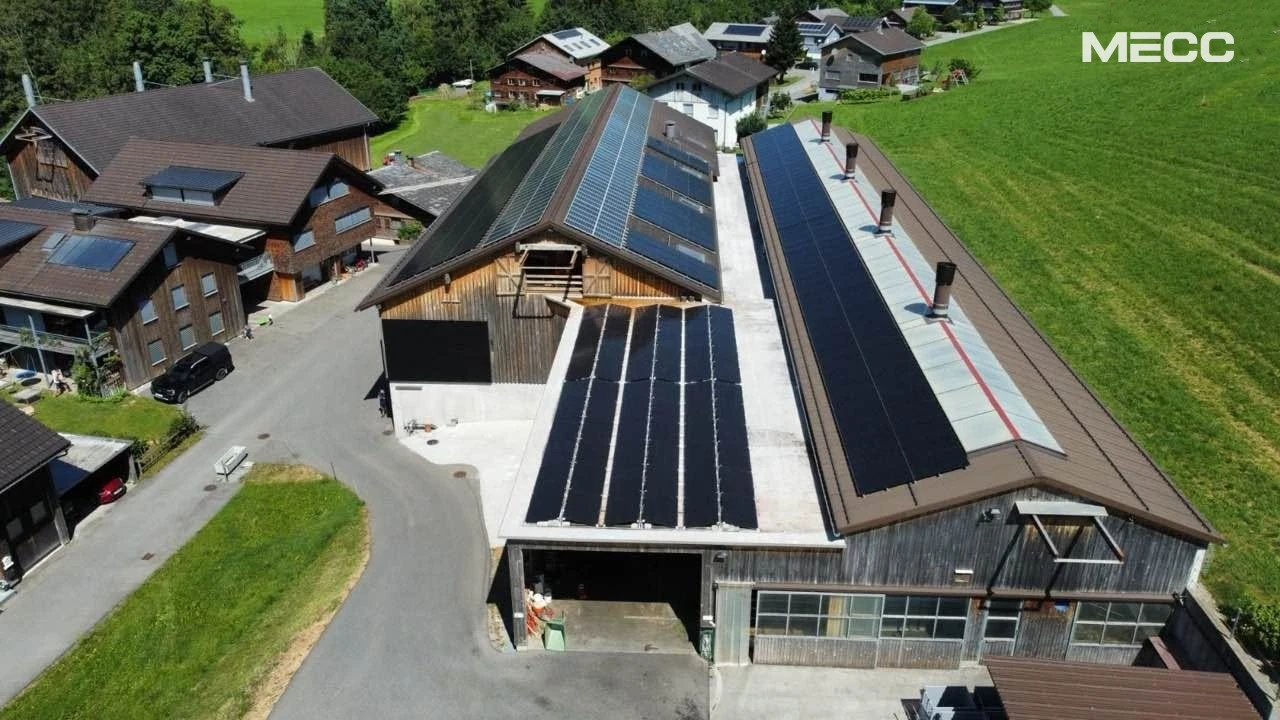
To solve the above industry pain points, this Austrian agricultural and livestock farm has fully upgraded its energy system by deploying a professional customized PV and battery energy storage integrated solution. Different from conventional solar power systems that only rely on daytime power generation, this complete energy storage solution realizes closed-loop energy circulation. The photovoltaic array efficiently captures solar energy during the daytime to meet real-time power consumption of farm production. The supporting battery energy storage system automatically stores excess power generated during peak sunlight hours and releases reserved clean energy at night or on cloudy days with insufficient irradiation. This mature operating mode completely eliminates reliance on public power grids, enabling the farm to achieve 100% energy self-sufficiency.
The core advantage of this agricultural farm PV battery storage for outdoor harsh conditions lies in its outstanding environmental adaptability and ultra-low degradation performance. All system components are professionally optimized for complex farm outdoor scenarios. The photovoltaic modules adopt high weather resistance and dustproof design, effectively resisting long-term wind and frost erosion, temperature impact and farm dust pollution. The energy storage battery system features stable chemical performance and low attenuation characteristics, maintaining consistent charging and discharging efficiency even in fluctuating temperatures. The overall system abandons fragile civilian-grade configurations and fully adopts industrial-grade durable accessories, ensuring long-term stable operation in harsh outdoor agricultural environments.
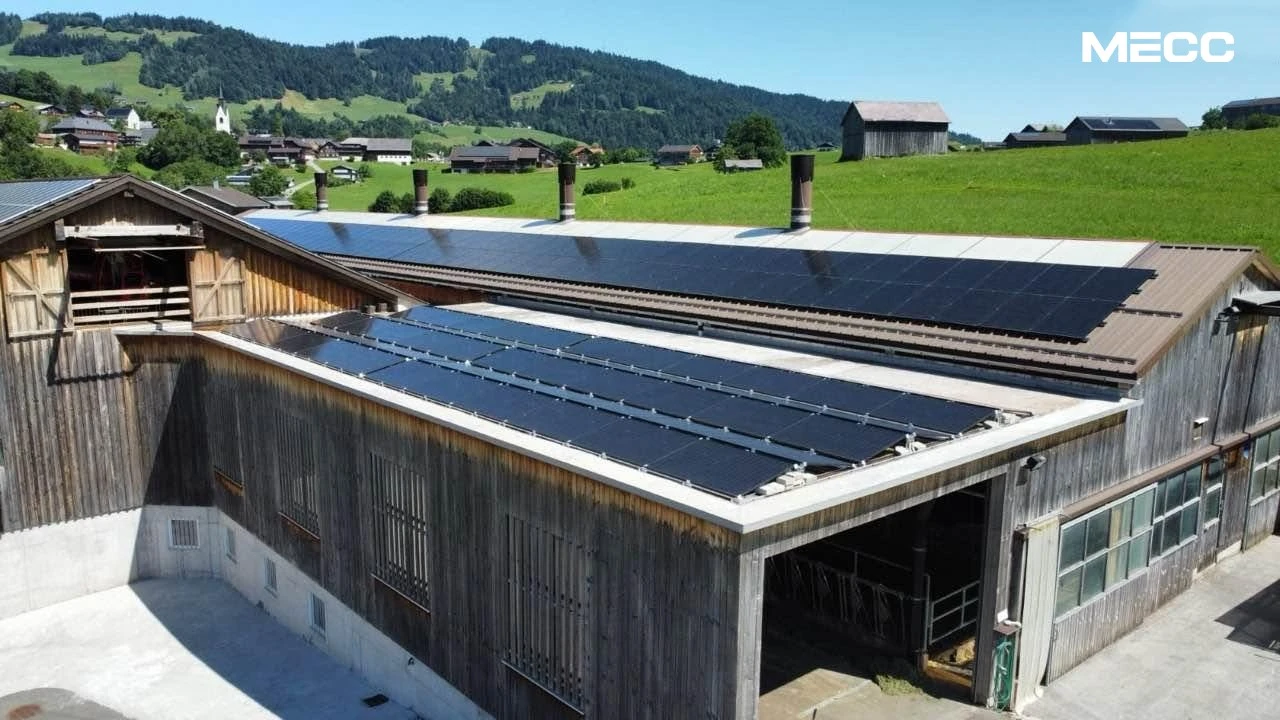
Relying on excellent hardware quality and intelligent energy scheduling technology, the system achieves uninterrupted stable operation all year round. The built-in intelligent energy management system monitors real-time photovoltaic power generation, battery power storage status, and farm load changes, automatically optimizing charging and discharging strategies to avoid energy waste and power supply instability. Whether for daily livestock breeding equipment operation, farm irrigation systems, or nighttime basic power supply, the system can output stable and high-quality clean energy, effectively avoiding production losses caused by power outages or voltage fluctuations.
This energy-independent farm project delivers remarkable long-term practical benefits and industry demonstration value. In terms of economic benefits, complete energy self-sufficiency thoroughly cuts expensive grid electricity purchase costs for the farm. The system's low degradation and high durability greatly reduce later equipment maintenance and replacement expenses, bringing stable and lasting energy-saving benefits for agricultural production. In terms of operational value, the 24-hour stable clean energy supply ensures the continuous and orderly progress of farming and livestock breeding, effectively improving production efficiency and operational stability.
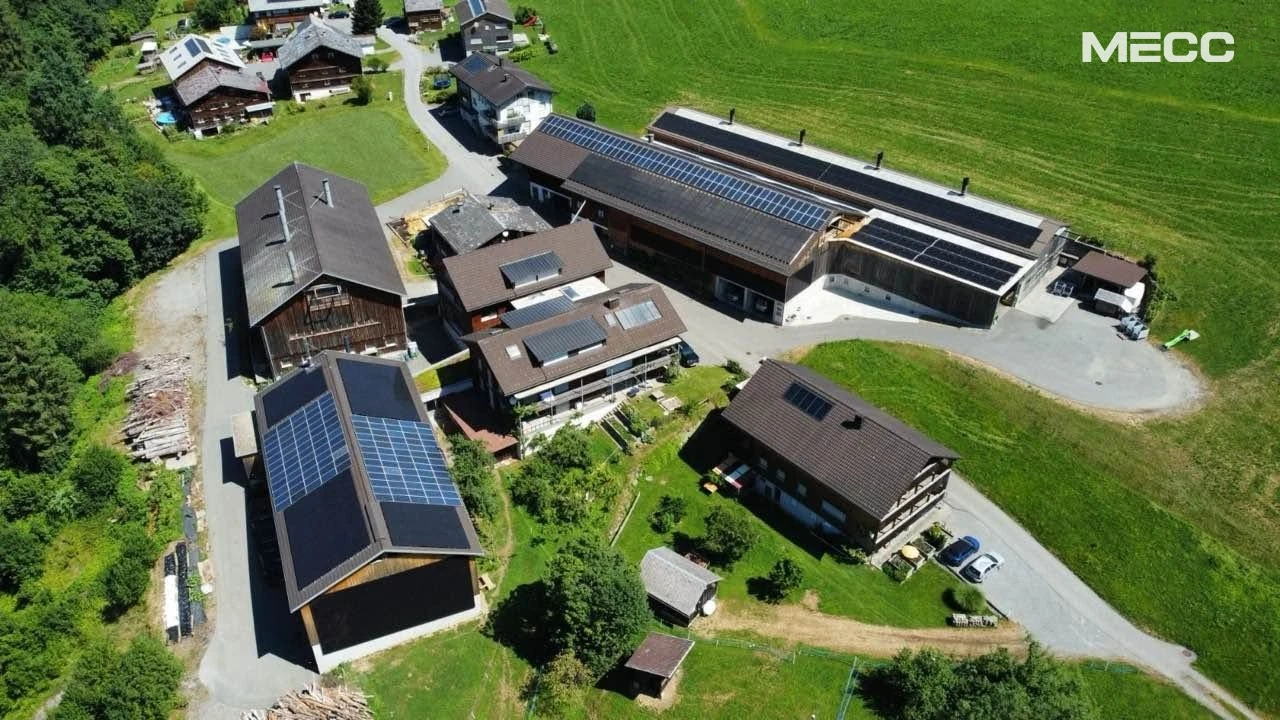
More importantly, the project boasts prominent low-carbon demonstration value. As a typical low-carbon energy independent farm solution, it completely replaces traditional fossil energy and grid power with zero-emission solar clean energy, drastically reducing the farm's carbon footprint. This construction model fully conforms to European sustainable agricultural development goals and green energy policies, providing a replicable and promotable upgrading scheme for numerous rural farms and livestock bases in Europe and globally.
FAQ
How do Austrian farms achieve full energy self-sufficiency?
By deploying an integrated photovoltaic and battery energy storage system, the farm realizes self-generation and self-storage of clean energy, achieving full off-grid energy self-sufficiency and zero reliance on municipal power grids.
Why are solar storage systems suitable for harsh farm outdoor environments?
Professional farm-grade PV and ESS features high weather resistance, dustproof and frost-resistant performance, as well as ultra-low degradation rate, adapting to long-term complex outdoor conditions of agricultural production.
What are the core benefits of energy-independent farms?
It stabilizes agricultural power supply, reduces long-term energy costs, improves equipment service life, and builds a low-carbon green farm brand with high demonstration value.
Conclusion
The Austria energy-independent farm case fully verifies the reliability and practicability of durable solar energy system for livestock farm in harsh outdoor scenarios. Through the perfect matching of high-quality photovoltaic modules and stable battery energy storage equipment, the system solves the multiple pain points of harsh environmental interference, unstable power supply and high energy consumption costs in traditional agricultural production. With long-term stable operation capability, excellent durability and outstanding low-carbon value, this solution provides a mature and reliable energy transformation path for global agricultural and livestock farms, helping the modern agricultural industry move toward energy independence, low carbon and sustainable development.