


Against the backdrop of accelerating the transition to renewable energy in the global energy landscape, the importance of energy storage systems as a key link in balancing energy supply and demand and improving energy utilization efficiency is becoming increasingly prominent. Lithium batteries, with a series of outstanding technical characteristics, stand out among numerous energy storage technologies and have become one of the core choices for current energy storage systems. Thoroughly analyzing the technological advantages of lithium batteries in energy storage systems is of great significance for understanding their widespread applications and promoting the development of the energy storage industry.
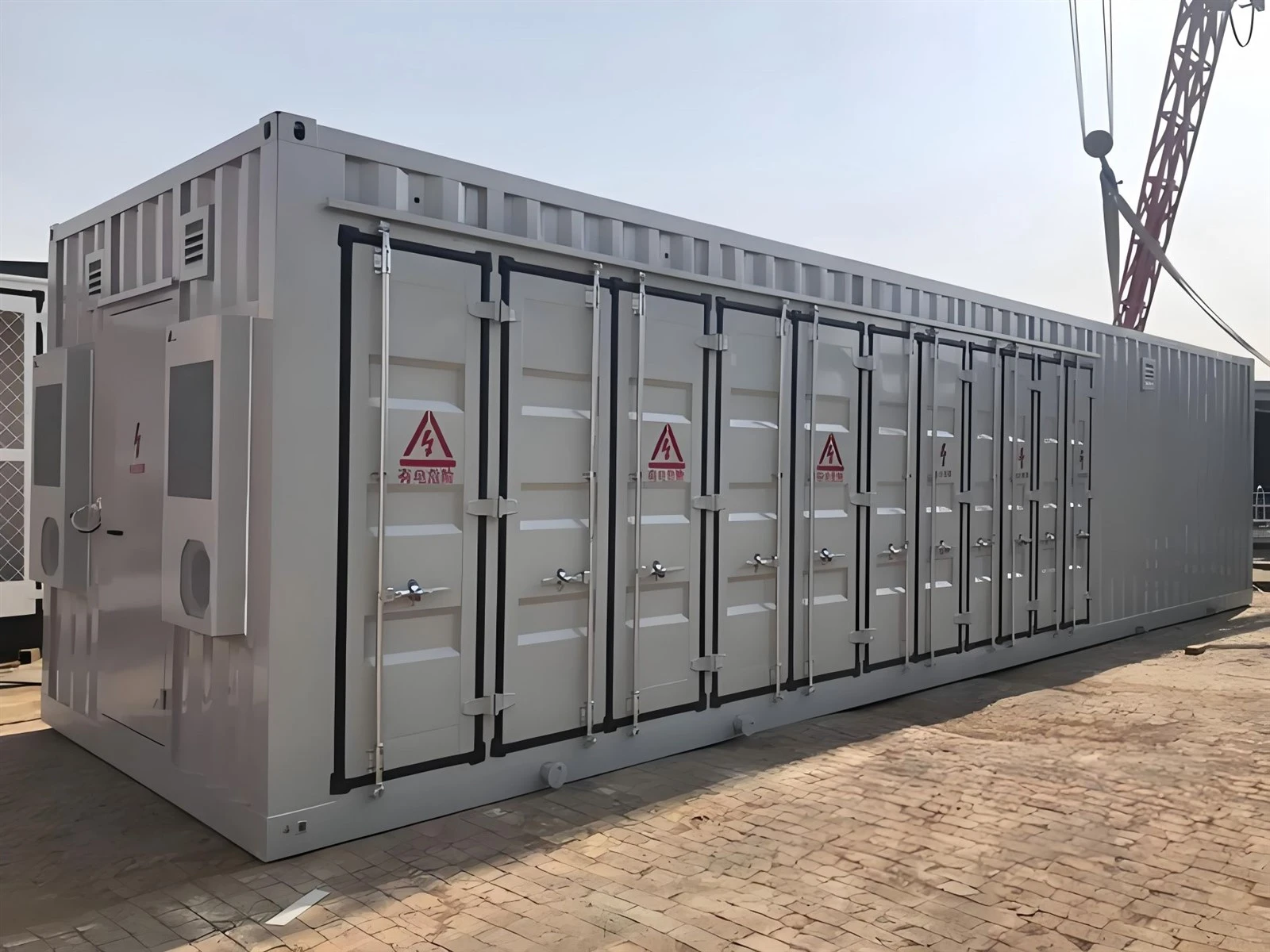
High energy density lays the foundation for energy storage
The high energy density of lithium batteries is one of their most significant technological advantages. Energy density refers to the amount of energy stored per unit volume or unit mass of a battery. Compared with traditional lead-acid batteries, lithium batteries perform outstandingly in this regard. For example, the energy density of a single cell in a ternary lithium battery can reach up to 200Wh/kg, and the energy density of a lithium iron phosphate battery can also reach around 160Wh/kg. This means that under the same volume or weight constraints, lithium batteries can store more electrical energy.
Taking the energy storage application of a small distributed photovoltaic power station as an example, if lead-acid batteries are used as energy storage devices, in order to meet the power supply demand for a certain period of time, it may require a large amount of space to accommodate a large number of batteries; The use of lithium batteries, with their high energy density, can store the same or even more electricity in a relatively small space, greatly improving the space utilization efficiency of energy storage systems, especially suitable for applications with limited space, such as household energy storage systems, distributed energy storage, etc. High energy density enables lithium batteries to provide sufficient energy reserves for energy storage systems in a more compact form, laying a solid foundation for the efficient operation of energy storage systems.

Long cycle life ensures long-term benefits
Cycle life is an important indicator for measuring battery performance, which represents the number of cycles a battery can operate normally under certain charging and discharging conditions. Lithium batteries have excellent performance in terms of cycle life. At present, the maximum cycle life of ternary batteries can exceed 4000 times, and lithium iron phosphate batteries can achieve a cycle life of over 6000 times due to their stable chemical properties. Long cycle life for energy storage systems means lower long-term operating costs and higher reliability.
In large-scale energy storage power plants, the cost of battery replacement is a significant expense. If batteries with shorter cycle life are used, frequent battery replacement will not only increase operating costs, but may also lead to intermittent shutdowns of energy storage stations, affecting their normal power supply. The long cycle life of lithium batteries can effectively reduce the frequency of battery replacement, lower maintenance costs, and ensure the long-term stable operation of energy storage systems. Taking the energy storage project supporting a large wind farm as an example, lithium iron phosphate batteries are used as the energy storage medium. During a 10-year operating cycle, the performance of the batteries can still be maintained at a high level, and the cycle life fully meets the energy storage needs of the wind farm, providing reliable guarantees for stable power generation and output of the wind farm, fully reflecting the significant advantages of lithium batteries with long cycle life in energy storage systems.

High power density for fast response
Power density reflects the ability of a battery to output or input energy per unit time. Lithium batteries exhibit high power density in energy storage systems. According to specific designs, lithium batteries can achieve large energy storage power outputs of around 2C or even 4C. This characteristic makes lithium batteries perform well in application scenarios that require fast charging and discharging. For example, in the field of auxiliary services such as frequency regulation and peak shaving of the power grid, the changes in power grid load are often very rapid, requiring energy storage systems to respond quickly and adjust energy charging and discharging.
Lithium batteries, with their high power density, can release or absorb a large amount of electrical energy in a short period of time, quickly adjust the power balance of the power grid, effectively alleviate load fluctuations in the grid, and improve the stability and reliability of grid operation. In the energy storage application of electric vehicle fast charging stations, lithium batteries can also quickly charge electric vehicles to meet users' demand for fast charging, while utilizing the peak valley electricity price difference for charging to reduce operating costs. High power density endows lithium batteries with the ability to respond quickly in energy storage systems, enabling them to adapt to various complex and changing application scenarios, further expanding their application scope.