


Balcony photovoltaics have long surpassed the scope of simple power generation tools, and are building a diverse ecosystem of "photovoltaics+" through deep integration with home scenes, interests, and community interactions. It is no longer just a panel that absorbs sunlight, but a link between green energy and daily life, allowing every household to experience the joy and value of low-carbon living while obtaining electricity benefits, redefining the energy consumption patterns of urban residents.
1 Photovoltaic+Horticulture: A Three Dimensional Space for Sunshine Sharing
The combination of balcony photovoltaic panels and green plants creates a three-dimensional ecology of "generating electricity from above and planting from below". The photovoltaic panels are installed at a tilt angle of 20 ° -30 °, which can ensure power generation efficiency and create a scattered light environment suitable for shade loving plants to grow below. A resident in Shanghai planted vines such as green ivy and ivy under a 3-square-meter balcony photovoltaic panel. The vines grew upwards along the bracket, which can block some strong light in summer, reducing the working temperature of the photovoltaic panel by 3-5 ℃ and improving power generation efficiency by 2%; After plants shed their leaves in winter, it does not affect the reception of sunlight by photovoltaic panels, forming a dynamic "natural regulation system".
A more professional 'photovoltaic vegetable garden' allows for both power generation and food harvesting. Select semi transparent cadmium telluride thin film photovoltaic panels (with a light transmittance of 50%), plant shade tolerant vegetables such as coriander and chives under the panels, and link them with photovoltaic power generation through an intelligent drip irrigation system - when the power generation is high (with sufficient sunlight), the irrigation frequency will be automatically increased, and when the power generation is low, the water volume will be reduced. The practice of a certain family shows that a 1.5 square meter photovoltaic vegetable garden can harvest 2 kilograms of vegetables per month and generate 80 kWh of electricity, which is equivalent to "exchanging one or two vegetables per kilowatt hour". This not only saves money on buying vegetables, but also allows one to eat organic vegetables grown by oneself.

2 Photovoltaic+Smart Home: Intelligent Closed Loop of Energy Management
The linkage between balcony photovoltaics and smart home systems has achieved self-sufficiency and intelligent scheduling of household energy. By connecting the photovoltaic inverter to the smart home platform through WiFi, the system can adjust the operation strategy of household appliances based on real-time power generation: when the power generation exceeds 1kW, high-power devices such as washing machines and dryers will automatically start; When the power generation is below 200W, turn off unnecessary lighting and standby equipment. The "photovoltaic+smart home" system at a user's home in Beijing has increased the self use rate from 60% to 85%, and reduced monthly electricity bills by another 30 yuan.
The visualization of energy data enhances user engagement. The APP not only displays real-time power generation and cumulative emission reductions, but also converts them into "environmental achievements" - such as "today's power generation is equivalent to planting a tree" and "this month's emission reduction is equivalent to driving 500 kilometers less". A certain platform also launched "photovoltaic points", where users can exchange their points for green goods such as public transportation coupons and recycled paper products, allowing environmental protection behaviors to receive practical rewards. This' visible green value 'has increased the sustained usage rate of household photovoltaics to over 90%.

3 Photovoltaic+Community: Cluster Effect of Distributed Energy
The dispersed power of a single balcony generates greater value through community platform aggregation. The "Photovoltaic Community" project in a residential area in Hangzhou combines 100 households' balcony photovoltaic panels into a virtual power plant with a total installed capacity of 50kW. During peak load periods, the dispatch center can remotely control each household's energy storage battery to release electricity, and a single peak shaving can earn 15-20 yuan per household. This "group participation" model not only improves the efficiency of distributed energy utilization, but also allows residents to feel the joy of "collective power generation". The participation rate of community organized photovoltaic knowledge lectures reaches 80%.
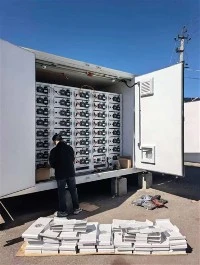
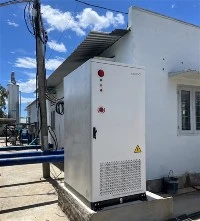
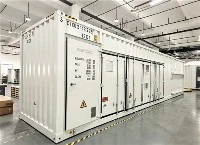
Community shared energy storage solves the energy storage problem for individual households. The construction of a 100kWh shared energy storage cabinet in the community allows for the storage of excess electricity from each balcony's photovoltaic system, which can be retrieved and used when needed, saving the cost of installing energy storage batteries for each household. According to calculations from a certain community, shared energy storage can increase the utilization rate of photovoltaics by 30% and increase the average annual income of each household by 200 yuan. At the same time, the community regularly holds a "Photovoltaic Achievement Exhibition" to select "Power Generation Experts" and "Creative Installation Awards", making green energy a new link connecting neighbors.
The "photovoltaic+" ecology of balcony photovoltaics essentially extends clean energy from the technical level to the living level. When power generation is combined with gardening hobbies, home management, and community interaction, it is no longer a cold technological application, but a warm, participatory, and shareable way of life. This transformation is the deep driving force behind the true integration of distributed energy into urban fabric and the realization of large-scale popularization.