


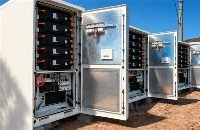
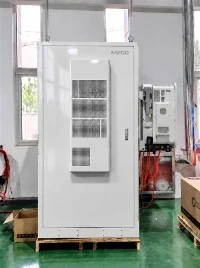
MECC Solar, a specialised original manufacturer of lithium energy storage equipment, announces the availability of its 241kWh high-voltage commercial and industrial energy storage system. This integrated all-in-one inverter and battery cabinet is built for commercial and industrial power optimisation, with stable factory output and flexible sourcing options for wholesalers, regional distributors and EPC project partners worldwide. Unlike many suppliers that rely on outsourced assembly or third-party stock, MECC Solar maintains independent production lines for its full storage portfolio, enabling consistent quality oversight and direct pricing without extra margins from intermediaries.
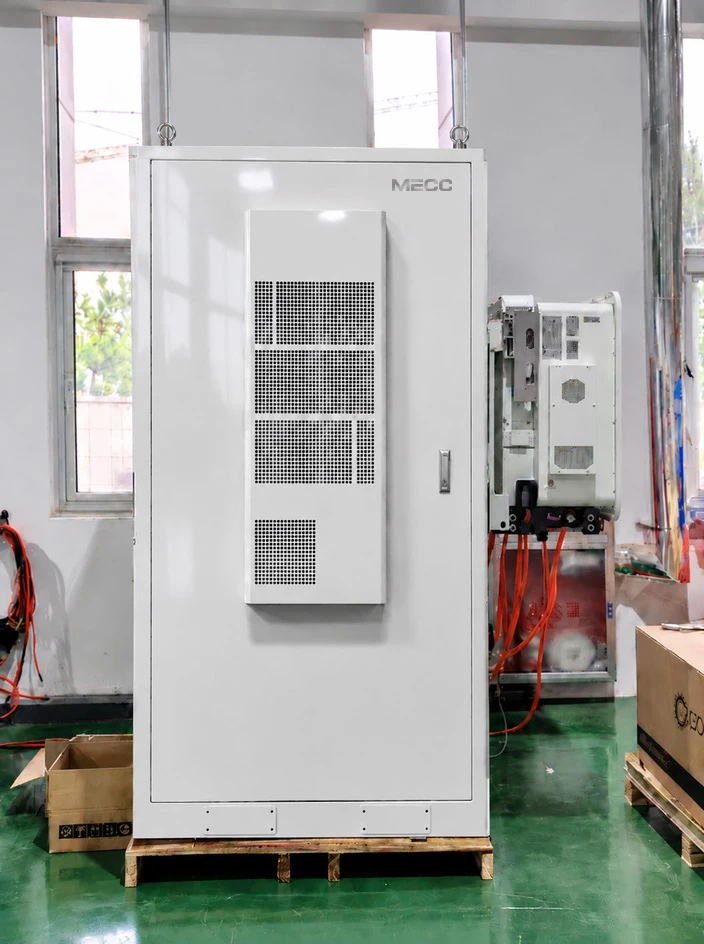
Core Product Portfolio and Standard Configuration
The 241kWh high-voltage C&I storage cabinet forms a key part of MECC Solar's broader energy storage lineup. The company's product range covers standalone storage batteries, integrated inverter-and-battery systems and full commercial and industrial storage cabinets, giving buyers access to multiple capacity classes and form factors for different site requirements.
This all-in-one 241kWh model combines power conversion hardware and high-voltage battery packs within a unified cabinet structure. The integrated layout simplifies project planning for installers, as the battery and inverter subsystem are pre-matched and tested before shipment. The high-voltage architecture reduces current flow through main cabling, cutting resistive losses and improving overall round-trip efficiency for daily charge and discharge cycles. It is designed for continuous commercial operation, supporting peak load management, solar self-consumption and backup power use cases for factories, logistics yards and business parks.
MECC Solar offers both standard off-the-shelf units and fully customised configurations. Partners may select existing standard models for fast delivery, or submit custom specification requests tailored to their local operating environment, grid standards and project load profiles. Custom adjustments can cover communication protocols, cabinet markings, protection thresholds and auxiliary interface arrangements, so the hardware aligns with regional certification and tender requirements.
Manufacturing Strength and OEM Customisation Capabilities
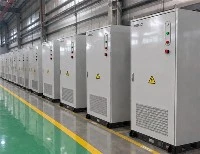
As an original equipment manufacturer with dedicated independent production lines, MECC Solar controls the complete manufacturing workflow from incoming cell inspection, module assembly, BMS calibration and system ageing testing to final packaging. This in-house production model removes the risks associated with multi-layered trading chains, such as inconsistent component sourcing, mixed batches and fragmented after-sales responsibility. Every batch undergoes standard performance and safety testing before leaving the factory, helping distributors reduce field failure rates and simplify quality reporting for their clients.
OEM customisation is available for qualified bulk partners. Custom production runs can be arranged to match unique technical or branding requirements. The engineering team reviews each custom specification at the quotation stage, validates compatibility and provides supporting documentation including test records, wiring schematics and operation manuals. Whether partners need private labelling, adjusted operating parameters or modified enclosure features, the production line can adapt the 241kWh storage cabinet and other ESS models to suit defined market needs.
Flexible order sizing supports different business models. Smaller trial orders of standard cabinets are available for partners running pilot projects, while large-volume bulk production slots are reserved for distributors building regional inventory or rolling out multi-site energy programmes. This structure suits new market entrants as well as established wholesale buyers with steady project pipelines.
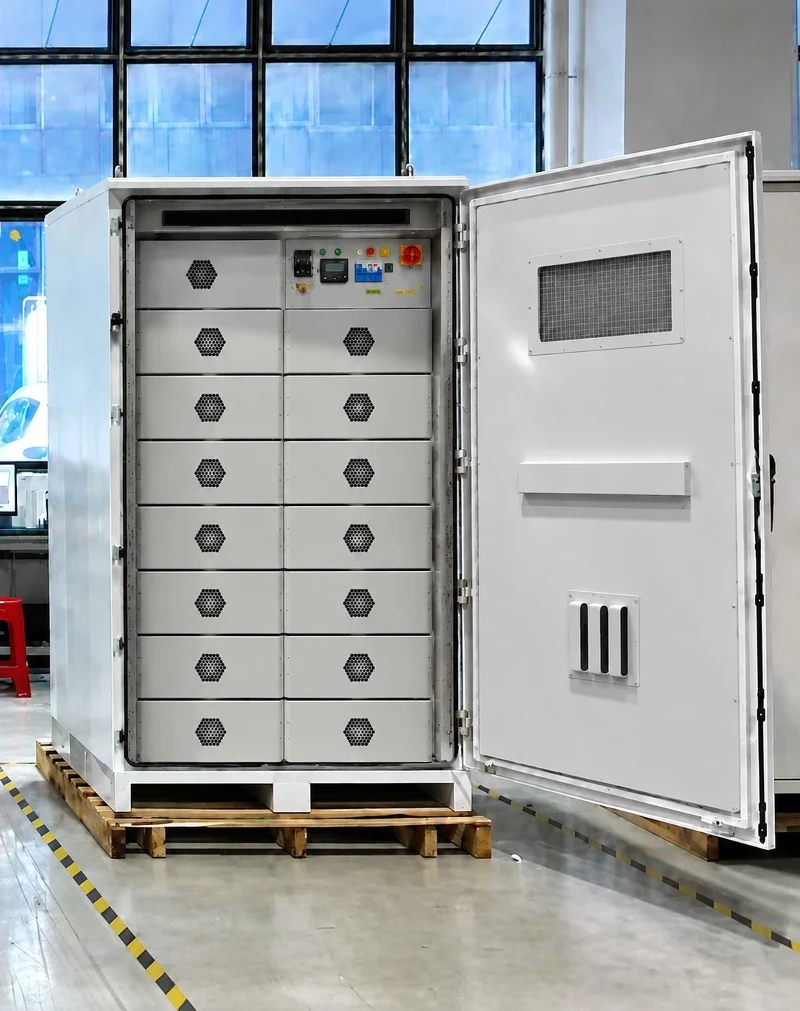
Suitable Application Scenarios for Global C&I Deployments
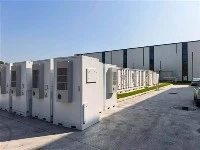
The 241kWh high-voltage integrated storage cabinet serves a wide range of behind-the-meter commercial and industrial applications. Factories with high demand charges deploy the system for peak shaving and energy arbitrage, storing low-cost grid power or surplus solar generation to offset consumption during high-price windows. Commercial parks, shopping centres and warehouse facilities use it to stabilise load profiles and protect critical lighting, refrigeration and IT loads during grid outages.
It also integrates smoothly with new and existing solar PV arrays for solar-plus-storage projects. The all-in-one inverter and battery design reduces the number of separate components that installers need to source and coordinate on site. For remote sites and locations with unstable grid supply, multiple cabinets can work together as part of a hybrid microgrid alongside diesel generators, lowering fossil fuel consumption and improving power stability.
The breadth of the product portfolio lets partners standardise on MECC hardware across diverse projects. A distributor can offer smaller battery units for light commercial retrofits and scale up to the 241kWh cabinet for medium-sized industrial sites, with consistent technical support and familiar commissioning workflows across the range.
Commercial Benefits for Wholesalers, Distributors and Project Partners
Factory-direct pricing is a clear advantage for B2B buyers. By purchasing directly from the production source, wholesalers avoid markup added by intermediate traders, creating room for more competitive bidding and healthier project margins. Stable production capacity supports predictable lead times, which is critical in markets where solar and storage project schedules are tightly scheduled around permitting and installation windows.
For EPC contractors, access to both standard and custom options reduces design constraints. When a tender calls for specific operating settings or local compliance features, the engineering team can adjust the system instead of forcing the project to adapt to a rigid fixed-spec product. Complete technical documentation is supplied with each unit, supporting grid interconnection submissions, insurance reviews and local inspection procedures.
End asset owners benefit from the unified nature of the all-in-one inverter and battery system. Fewer separate components mean fewer points of failure and simpler maintenance planning. The high-voltage platform delivers efficient daily cycling, supporting stronger long-term ROI for energy cost-reduction projects. If site power demand grows later, additional cabinets can be added in parallel to expand total storage capacity.
Outlook
MECC Solar will keep expanding its production capacity for the 241kWh high-voltage C&I storage cabinet while adding further compatible features to its OEM framework. The company will continue refining test protocols and documentation packages to meet evolving grid and safety standards across Europe, Southeast Asia, Africa and Latin America.
The manufacturer's focus remains on building long-term partnerships with global wholesalers, distributors and EPC firms, rather than one-off equipment sales. With a full catalogue of energy storage batteries, integrated inverter-battery systems and industrial storage cabinets, paired with flexible customisation and factory-direct supply, MECC Solar aims to deliver dependable, adaptable energy storage hardware for the fast-growing global commercial and industrial storage market.

125KW 241kWh Battery Energy Storage System Cabinet
The BESS 125KW 241kWh Lithium Battery Energy Storage Cabinet is a high-power, large-capacity integrated energy storage solution engineered for medium-to-large commercial, industrial, and utility-scale applications. It integrates a 125kW high-performance bidirectional inverter, a 241kWh lithium iron phosphate (LiFePO4) battery bank, and a full-featured intelligent energy management system (EMS) into a modular cabinet design. This system enables efficient renewable energy storage, peak shaving, load shifting, grid frequency regulation, and emergency backup power supply. Ideal for large factories, shopping malls, industrial parks, utility-scale solar/wind farms, and microgrids, it enhances energy independence, reduces high grid demand charges, and supports the stable integration of high-penetration renewable energy into the grid.