


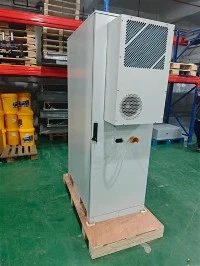
As the core of modern energy storage technology, lithium battery cells are triggering deep expansion of application fields and reshaping of market patterns worldwide with their excellent performance and continuous innovation characteristics. From traditional consumer electronics to emerging new energy vehicles, energy storage systems, and cutting-edge aerospace and medical fields, lithium battery cells are ubiquitous and have become a key driving force for the transformation and development of various industries.
Consumer electronics field: continuous upgrading and innovation driven
In the field of consumer electronics, lithium battery cells have always been the core power source. Smartphones, as the most commonly used electronic products in people's daily lives, have increasingly high performance requirements for lithium battery cells. With the popularization of 5G communication technology, mobile phone functions are becoming increasingly powerful. The application of screen size increase, high refresh rate display, multi camera module and other functions has significantly increased the power consumption of mobile phones. To meet this demand, lithium battery cells are developing towards high energy density and fast charging. For example, some high-end smartphones use lithium battery cells with an energy density of over 700Wh/L, combined with 65W or even 120W fast charging technology, which can charge the phone from 0 to over 80% in just half an hour, greatly improving the user experience. Meanwhile, in wearable devices such as smartwatches and wireless headphones, lithium battery cells have become an ideal power source choice due to their miniaturization, lightweight, and high cycle life characteristics. Some smartwatches use miniature lithium battery cells with a thickness of only 1-2mm, which can support the watch's battery life for several days and maintain a high capacity retention rate after multiple charging and discharging cycles, meeting consumers' dual needs for portability and long battery life of wearable devices.

The field of new energy vehicles: the core force for transforming transportation modes
The rise of new energy vehicles has made lithium battery cells a core element in the transformation of the automotive industry. Electric vehicles have extremely strict requirements for the energy density, power density, cycle life, and safety of lithium battery cells. High energy density battery cells can increase the range of electric vehicles, reduce the weight and cost of the entire vehicle. At present, the energy density of lithium battery cells used in mainstream electric vehicles has exceeded 260Wh/kg, and some high-end models are even expected to reach over 300Wh/kg, with a range of over 700 kilometers. In terms of power density, the development of fast charging technology relies on the support of high-power density cells. Some new lithium battery cells can achieve charging rates of 3C or even higher, allowing electric vehicles to replenish a large amount of power in 15-20 minutes, approaching the convenience of refueling fuel vehicles. In addition, the cycle life of battery cells directly affects the operating cost and battery replacement frequency of electric vehicles. Through material innovation and structural optimization, the cycle life of some lithium battery cells has exceeded 3000 times, significantly reducing the cost of use for users. In terms of safety, the combination of battery thermal management system and high safety battery cells effectively avoids the risk of battery cell thermal runaway and ensures the driving safety of electric vehicles. For example, Tesla's Model series models use cylindrical lithium battery cells, which achieve a balance between high energy density and high safety through advanced battery management systems and thermal management technology, promoting the rapid development of the electric vehicle market.

Energy storage system field: a key link supporting energy transformation
With the vigorous development of renewable energy worldwide, energy storage systems have become the key to solving energy supply and demand contradictions and improving energy utilization efficiency. The application of lithium battery cells in the field of energy storage covers the power generation side, grid side, and user side. On the power generation side, photovoltaic and wind power generation are affected by natural conditions and have intermittency and volatility. Lithium battery energy storage systems can store excess electricity and release it when power generation is insufficient, achieving stable power output. For example, in some large photovoltaic power plants, megawatt level lithium battery energy storage systems are installed, which can effectively smooth the photovoltaic power generation curve, improve power quality, and reduce the phenomenon of wasted light. On the power grid side, lithium battery cells participate in peak shaving, frequency regulation, and backup power services, enhancing the stability and reliability of the power grid. When the power grid load is peak, the energy storage system discharges to supplement electricity; When the load is low, the energy storage system charges and stores electrical energy to alleviate the pressure of peak valley difference in the power grid. On the user side, the markets for household energy storage and industrial and commercial energy storage are developing rapidly. Household users can use lithium battery energy storage systems to store electricity at low valley prices at night, which can be used during peak daytime periods to reduce electricity costs. Industrial and commercial users use energy storage systems to achieve peak valley electricity price arbitrage, electricity demand response, and other functions, improving energy management efficiency. For example, a certain data center adopts a lithium battery energy storage system, which can save millions of yuan in electricity bills annually by participating in power demand response, while improving the reliability of data center power supply.

Emerging and cutting-edge fields: exploring infinite possibilities
In the aerospace field, the lightweight and high energy density advantages of lithium battery cells make them an important development direction for future aircraft energy systems. With the development of emerging aviation technologies such as drones and electric vertical takeoff and landing vehicles (eVTOL), the demand for high-performance lithium battery cells is becoming increasingly urgent. Lithium battery cells can provide longer endurance and greater payload capacity for drones, promoting their widespread application in logistics distribution, surveying, inspection and other fields. In the medical field, the development of portable medical devices relies on miniaturized and high-energy density lithium battery cells. For example, wearable medical monitoring devices, portable defibrillators, etc. require stable and reliable power support from lithium battery cells to achieve long-term continuous monitoring and emergency medical treatment functions. Meanwhile, in implantable medical devices such as pacemakers and insulin pumps, the long lifespan and high safety of lithium battery cells are also crucial, providing continuous protection for patients' life and health.