


1 Home distributed energy scenario: creating a self-sufficient intelligent electricity system
1. Home energy management combining photovoltaics and energy storage
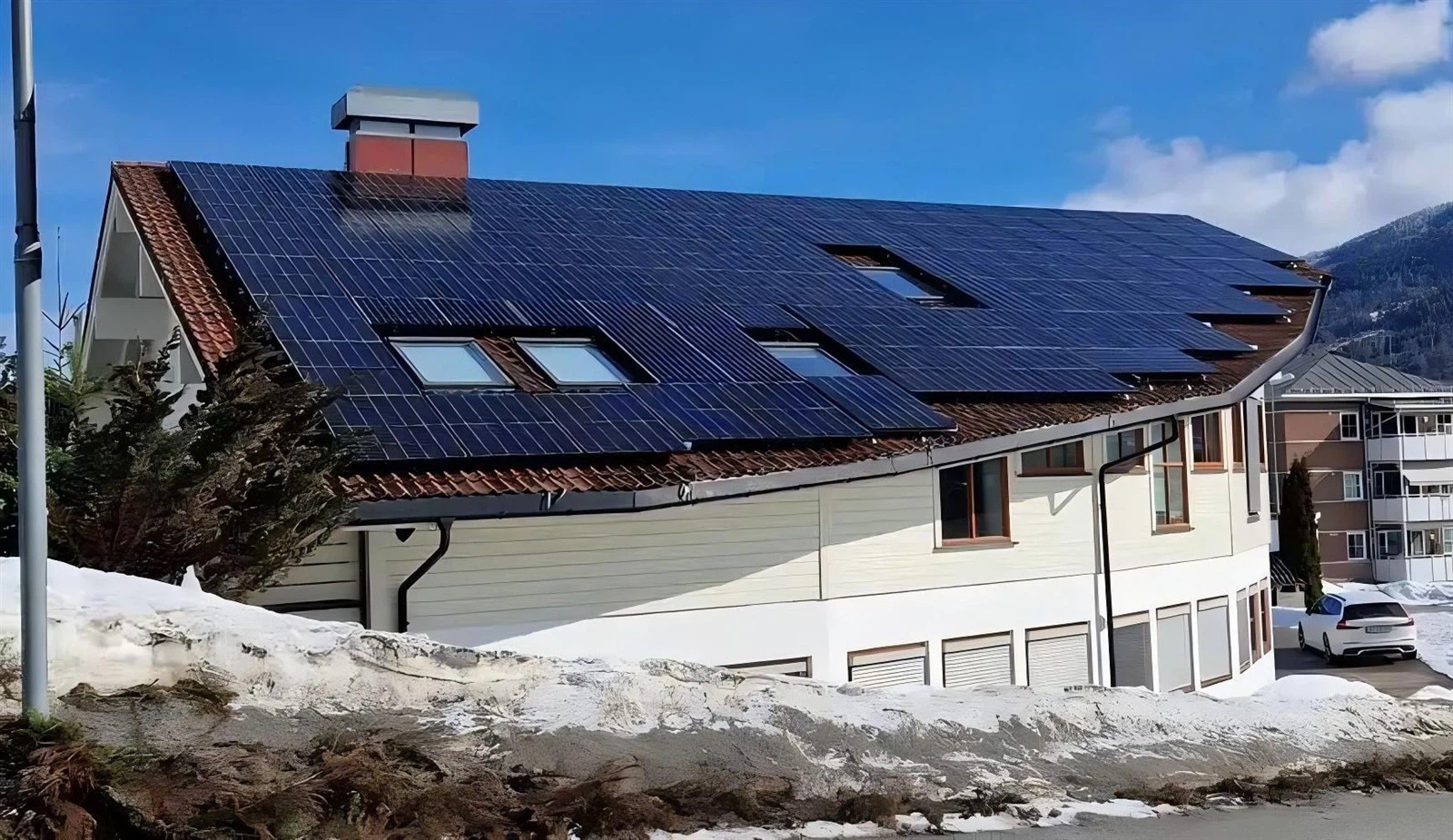
In household scenarios, hybrid inverters serve as the "energy hub" connecting photovoltaic panels, energy storage batteries, and household loads, achieving closed-loop management of "spontaneous self use, surplus electricity storage, and power shortage replenishment". When the photovoltaic output is sufficient during the day, priority is given to supplying daily loads such as refrigerators, air conditioners, and lighting, and excess electricity is automatically used to charge the battery; When the photovoltaic system is shut down at night or on rainy days, the inverter switches to battery discharge mode to meet the basic electricity needs of the household, and only replenishes power from the grid when the battery is low. Taking a household system with 10kW photovoltaic and 15kWh energy storage as an example, the combination of hybrid inverters can increase the self consumption rate to over 80%, save over 5000 yuan in annual electricity bills, and avoid inconvenience caused by power outages.
2. Intelligent electricity consumption and peak valley arbitrage
Hybrid inverters that support access to home energy management apps can dynamically adjust their charging and discharging strategies based on peak and off peak electricity prices. During periods of low electricity prices (such as 00:00-08:00), they automatically purchase electricity from the grid to charge the battery; During peak electricity price periods (such as 08:00-22:00), prioritize the use of photovoltaic and battery power to reduce high priced grid electricity consumption. Some models can also be linked with smart home devices to automatically reduce non essential loads (such as water heater insulation power) during peak electricity consumption, further optimizing electricity costs and upgrading from "passive cost saving" to "active cost control".
2 Industrial and commercial energy storage scenarios: dual support of cost reduction, efficiency improvement, and emergency support
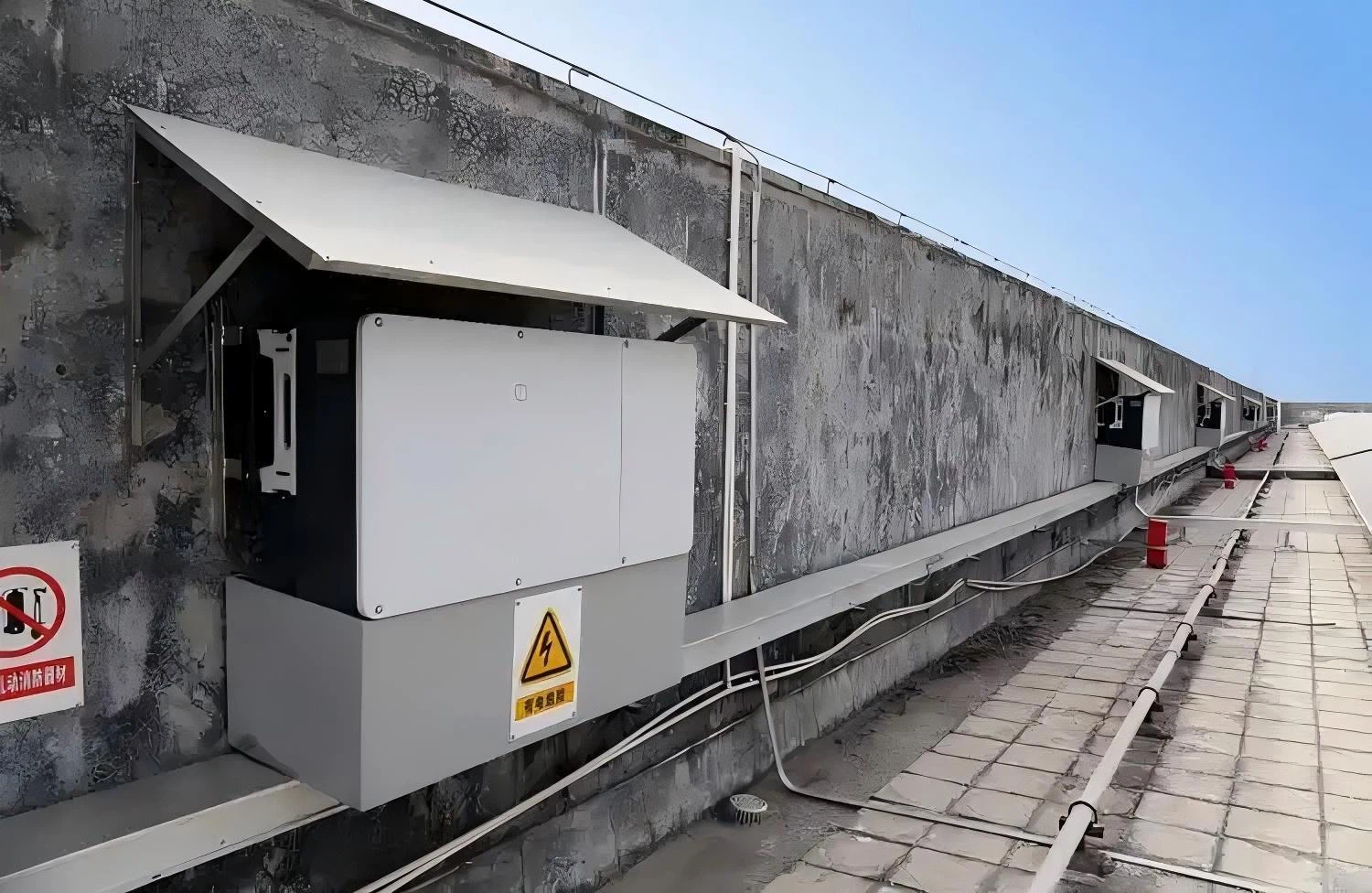
1. Business peak valley arbitrage and demand management
Industrial and commercial users face the pain points of large peak valley electricity price differences and high demand electricity bills. Hybrid inverters can reduce costs through a dual strategy of "low storage and high discharge" and "power regulation": using low-priced grid electricity to charge energy storage batteries during low valley periods (such as late night), and releasing battery electricity during peak periods (such as daytime production) to replace high priced grid electricity; At the same time, during the assessment period of power grid demand (such as specific monitoring points every month), the maximum power consumption is limited by inverters to avoid high demand fines due to excessive electricity consumption. Taking a factory system with a 100kW hybrid inverter and 500kWh energy storage as an example, it can save 30000-50000 yuan in electricity bills per month, and the investment payback period is usually controlled within 3-5 years.
2. Emergency backup power and production continuity guarantee
Industrial and commercial production has extremely high requirements for power continuity. The off grid switching function of hybrid inverters can quickly respond to grid faults: when a power outage is detected, the inverter will disconnect the grid switch within 10-20 milliseconds and switch to energy storage power supply mode to continuously supply power to key equipment on the production line (such as motors and control systems), avoiding economic losses caused by downtime. Some high-power models (such as 500kW and above) support parallel connection of multiple machines and can build MW level emergency backup power systems to meet the high-power requirements of large factories, data centers, and other scenarios.
3 New energy supporting scenarios: solving intermittent and grid connected problems
1. Energy storage, consumption and grid connection stability of photovoltaic power plants
In large-scale photovoltaic power plants, hybrid inverters can be paired with energy storage systems to solve the intermittent problem of photovoltaic output: when the light intensity drops sharply (such as when covered by dark clouds), the inverter quickly releases battery power to compensate for photovoltaic power fluctuations and avoid impact on the power grid; When there is excess photovoltaic output, the excess electricity is stored in the battery and released when the output is insufficient, improving the grid stability and power generation of the photovoltaic power station. At the same time, hybrid inverters support participation in grid peak shaving, adjusting the charging and discharging rhythm in response to grid dispatch signals, providing frequency regulation and peak shaving services for the grid, and obtaining additional revenue.
2. Power supply for off grid new energy systems
In remote areas with insufficient power grid coverage, such as mountainous areas, islands, and border outposts, hybrid inverters can be used to construct a "photovoltaic+energy storage" off grid system, providing stable power for residents' daily lives, base station communication, and irrigation equipment. Its wide temperature range operating characteristics (-30 ℃ to 60 ℃) can adapt to extreme climates, support parallel expansion of multiple battery groups, and meet different power demands from kW level to 100kW level. For example, in island scenarios, a combination of 10kW hybrid inverters, 20kWh energy storage, and 20kW photovoltaics can completely replace diesel generators, achieve zero carbon emissions in power supply, and reduce long-term fuel procurement costs.
4 Old energy system upgrade scenario: low-cost transformation and efficiency improvement
1. Energy storage transformation of traditional photovoltaic systems
Early installed ordinary photovoltaic inverters only support grid connection function and cannot adapt to energy storage batteries. Hybrid inverters can be directly connected to the AC side of existing photovoltaic systems through AC coupling technology, without the need to dismantle existing equipment, achieving energy storage function upgrades. After the renovation, the original photovoltaic power is given priority to supplying the load, and the excess is charged to the battery, solving the problems of "abandoned light" and "no backup power in power outages" in traditional systems. Taking the 5kW old photovoltaic system as an example, the renovation plan with 3kW hybrid inverter and 10kWh energy storage only costs 60% of reinstalling the system, and the renovation period is shortened to 1-2 days, greatly reducing the upgrade threshold.
2. Complementary optimization of diesel generators
In scenarios where the power grid is unstable and relies on diesel generators (such as remote mining areas and temporary construction camps), hybrid inverters can work in conjunction with diesel generators: when the photovoltaic output is sufficient, it is powered by photovoltaic and energy storage, and the generator is turned off; When there is a shortage of photovoltaic power, use energy storage electricity first, and then start the generator after the energy storage is exhausted, reducing the running time and fuel consumption of the generator. At the same time, hybrid inverters can stabilize the output voltage and frequency of the generator, avoid frequent start stop of the generator due to load fluctuations, extend equipment life, and reduce maintenance costs. Data shows that this complementary system of "light storage diesel" can reduce diesel consumption by 40% -60%, significantly reducing carbon emissions and operating costs.