


With the profound changes in the global energy landscape, the proportion of renewable energy in the energy structure continues to increase. Battery Energy Storage System (BESS), as a key technology to solve energy supply and demand balance and improve energy utilization efficiency, has increasingly diverse application scenarios and huge market potential. Exploring the application scenarios and market development trends of BESS system in depth is of great significance for promoting the sustainable development of the energy industry.

Multiple application scenarios of BESS system
Stabilizers in the field of renewable energy generation
The BESS system plays an indispensable stabilizing role in renewable energy projects such as wind and solar power generation. Renewable energy generation has the characteristics of intermittency and volatility, with wind power and light intensity constantly changing over time and weather conditions, resulting in unstable power generation, which poses a huge challenge to the stable operation of the power grid. The introduction of BESS system can effectively smooth the renewable energy generation curve, improve the stability and reliability of power supply.
In wind farms, when there is sufficient wind power and excess power generation, the BESS system quickly stores the excess electricity; When the wind weakens and the power generation is insufficient, the BESS system promptly releases the stored electrical energy to ensure continuous and stable power output. For example, in a large wind farm in northwest China, the installation of a large-scale BESS system reduced the fluctuation range of power generation from ± 30% to within ± 10%, greatly improving the power quality of wind power, making it more in line with grid access standards, reducing the impact on the grid, and significantly improving the stability and reliability of renewable energy in energy supply. In the field of photovoltaic power plants, BESS systems also play an important role. When there is sufficient sunlight during the day, the excess electricity generated by the photovoltaic power station is stored in the BESS system; When there is insufficient sunlight at night or on cloudy days, the BESS system releases electrical energy to ensure a continuous supply of electricity. This not only improves the utilization efficiency of solar energy resources, but also promotes the proportion of renewable energy in the energy structure, promoting the transformation of energy towards green and sustainable directions.
Efficient regulator on the grid side
On the grid side, the BESS system can be used for auxiliary services such as peak shaving, valley filling, frequency and voltage regulation, optimizing grid operation, and improving grid stability and reliability. With the development of the economy and society, the demand for electricity continues to grow, and the peak valley difference of power grid load is increasing day by day. During peak electricity consumption periods, such as high temperatures in summer, high-power appliances such as air conditioners are used in a concentrated manner, causing a sharp increase in power grid load, which may lead to problems such as overloading of power grid equipment and voltage drop; During periods of low electricity consumption, such as late nights, when the grid load is low, a large number of power generation equipment is idle, resulting in energy waste. The BESS system can discharge during peak electricity consumption periods to supplement power to the grid and alleviate the pressure of peak electricity consumption; Charge during periods of low electricity usage and store excess energy. Through this peak shaving and valley filling effect, the load curve of the power grid is optimized, reducing equipment losses and fault risks caused by peak loads, and reducing the investment demand for infrastructure such as new transmission lines and substations. According to statistics, after deploying the BESS system at multiple key nodes in a certain city's power grid, the power grid load during peak hours decreased by about 10%, effectively improving the economic and reliability of power grid operation.
In addition, the BESS system can also participate in frequency and voltage regulation auxiliary services for the power grid. The stability of power grid frequency and voltage is an important indicator to ensure the safe operation of the power system. When there is an imbalance between power generation and consumption, the frequency and voltage of the power grid will fluctuate. The BESS system can quickly respond to changes in grid frequency and voltage, regulate power through charging and discharging, maintain the stability of grid frequency and voltage, and improve the power quality and stability of the grid. For example, when there is a deviation in the grid frequency, the BESS system can quickly adjust the charging and discharging state, inject or absorb power into the grid, restore the grid frequency to the normal range, and ensure the normal operation of various electrical equipment.
A reliable guardian on the user side
On the user side, the BESS system provides reliable power security and flexible energy management solutions for residents and enterprise users. For residential users, with the improvement of living standards, the requirements for power stability and economy are also increasing. The BESS system can utilize the difference between peak and valley electricity prices to charge during low electricity price periods and discharge during peak electricity price periods for household use, reducing electricity costs. For example, in some areas where peak valley electricity pricing policies are implemented, residents can reduce their monthly electricity bills by 20% -30% after installing household BESS systems. At the same time, the household BESS system can also serve as a backup power source to ensure the basic electricity needs of the household during power outages, such as the normal operation of lighting, refrigerators, televisions, and other equipment, improving the convenience and safety of household life.
For enterprise users, especially those in industries that require high stability in power supply such as data centers and manufacturing, the BESS system can effectively respond to power grid fluctuations and power outages, ensuring production continuity and avoiding huge economic losses caused by power outages. Taking data centers as an example, the servers and other equipment in data centers have extremely high requirements for the continuity of power supply. Short power outages can lead to data loss, business interruption, and serious economic losses. As a backup power source, the BESS system can seamlessly switch during power outages, ensuring the normal operation of data center equipment and guaranteeing business continuity. In addition, enterprise users can optimize their energy use management through the BESS system, arrange battery charging and discharging reasonably according to production plans and electricity demand, reduce energy costs, and improve energy utilization efficiency.
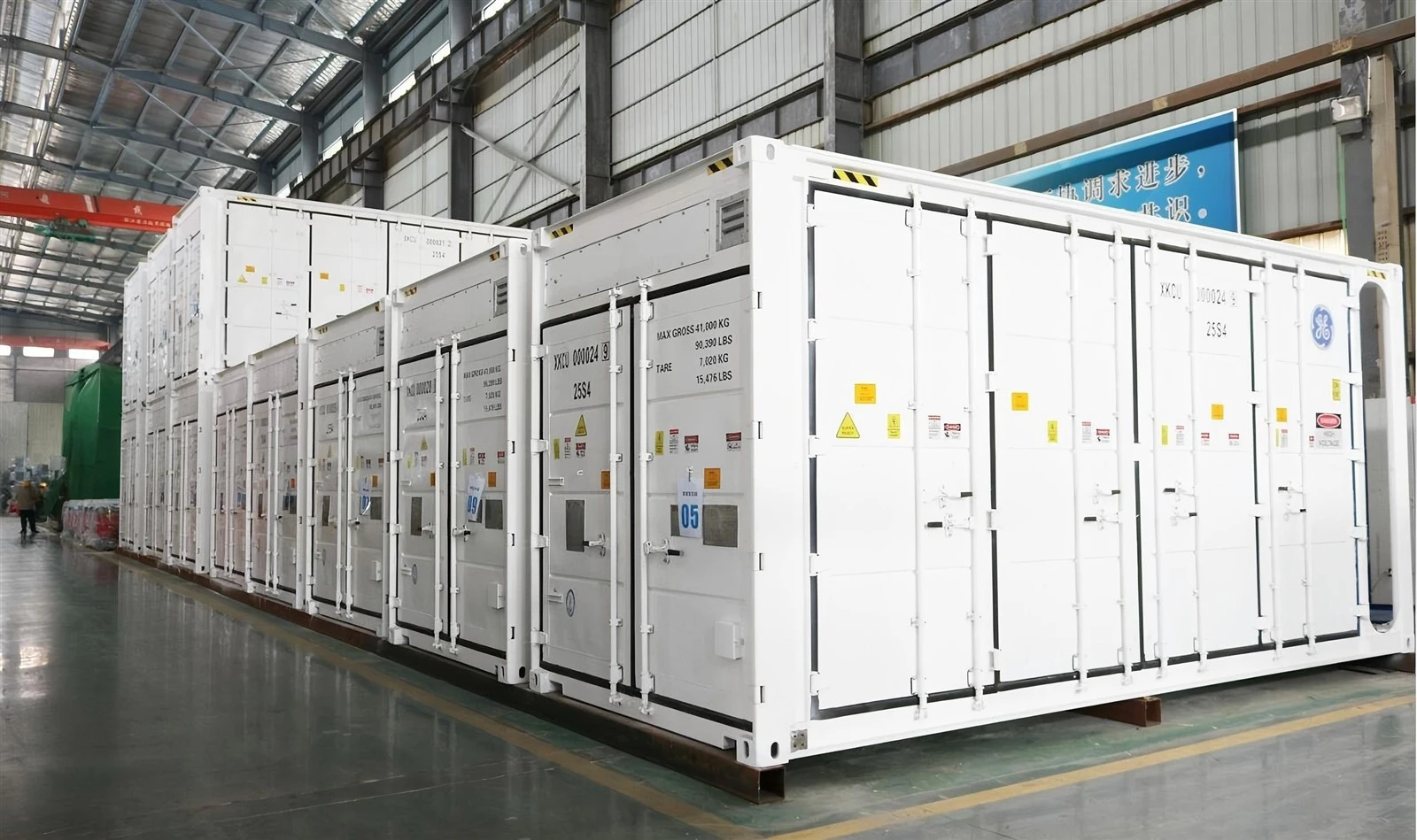
Market Potential Analysis of BESS System
The market size continues to grow
In recent years, the global BESS system market has shown a sustained and rapid growth trend. With the continuous increase in installed capacity of renewable energy generation and the increasing demand for stability and reliability in the power grid, the demand for BESS systems continues to rise. According to market research institutions, the proportion of BESS systems in global battery shipments has increased from 5% in 2019 to about a quarter in 2024 over the past five years, and is expected to maintain high-speed growth in the coming years. In China, with the proposal of the "dual carbon" target, the renewable energy industry has ushered in unprecedented development opportunities, which has also brought huge growth space to the BESS system market. It is expected that the demand for battery energy storage systems in China will increase significantly from 2025 to 2026, and will continue until 2030, with a cumulative installed capacity of about 3.2 TWh, which is about 10 times the market expectation (according to the Energy Storage Committee of the China Energy Research Association).
Technological progress drives cost reduction
Technological progress is one of the important driving forces for the development of the BESS system market. With the continuous innovation and progress of battery technology, power conversion technology, energy management technology, etc., the performance of BESS system continues to improve while the cost gradually decreases. In terms of battery technology, the research and application of new battery materials, such as high nickel ternary materials and silicon-based negative electrode materials, have improved the energy density and cycle life of batteries, and reduced battery costs. Meanwhile, the optimization of battery production technology and large-scale production have further reduced the manufacturing cost of batteries. In terms of power conversion systems and energy management systems, the application of advanced power electronics technology and intelligent control algorithms has improved the conversion efficiency and control accuracy of the system, while reducing energy consumption and maintenance costs. With the continuous advancement of technology, the cost of BESS system will further decrease, its competitiveness in the energy market will continue to strengthen, and its market application scope will also further expand.
Policy support to create a favorable development environment
Governments around the world have introduced a series of supportive policies, creating a favorable policy environment for the development of the BESS system market. In terms of renewable energy subsidy policies, many countries provide additional subsidies for renewable energy generation projects equipped with BESS systems, encouraging enterprises to build and apply BESS systems to improve the consumption capacity of renewable energy. In terms of market policies for power grid auxiliary services, the government has established and improved the market mechanism for power grid auxiliary services, clarified the market rules and price mechanism for BESS system to participate in power grid frequency regulation, peak shaving, voltage regulation and other auxiliary services, and provided economic incentives for the application of BESS system on the power grid side. In addition, some countries have also introduced relevant environmental policies to limit the carbon emissions of traditional energy generation, promoting the transformation of energy towards clean and low-carbon directions, which indirectly promotes the development of the BESS system market. The support of policies has provided strong guarantees for the development of the BESS system market, stimulated the enthusiasm and creativity of market entities, and promoted the innovation and application promotion of BESS system technology.
