


Cooling System
To maintain optimal operating temperatures, especially during high-power conversion or in hot ambient conditions, it features an efficient cooling system. This could include heat sinks, fans, or liquid cooling in some high-end models. The cooling system dissipates heat generated by power electronics components, ensuring reliable and long-term performance.
Communication Interfaces
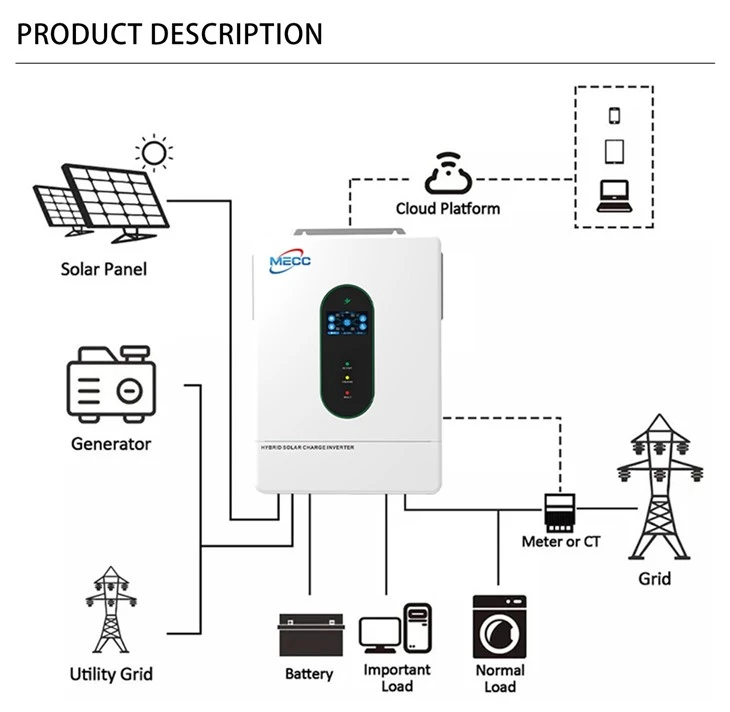
With multiple communication interfaces such as Wi-Fi, Ethernet, or RS485, it can connect to a home energy management system (HEMS), smartphone apps, or other monitoring devices. This enables remote monitoring of power generation, battery status, energy consumption, and system performance. Users can adjust settings and receive real-time alerts from anywhere with an internet connection.
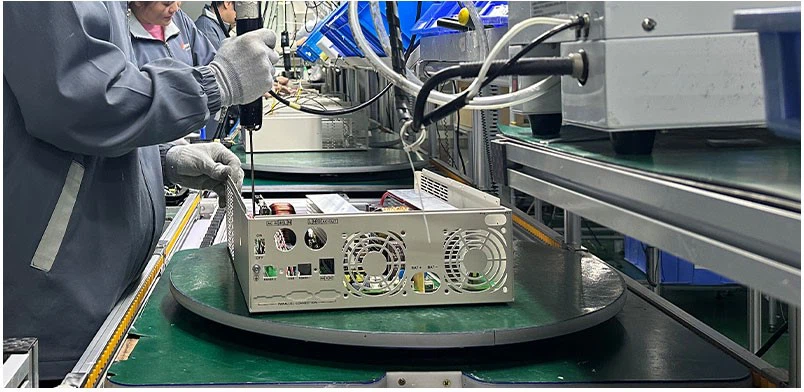
Cooling System Design and Assembly
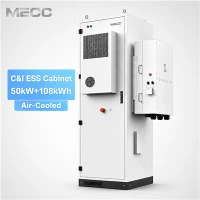
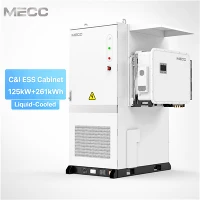
The cooling system is designed based on heat dissipation requirements calculated through thermal simulations. For air-cooled models, high-quality heat sinks are attached to power components, and efficient fans are strategically placed. The fan blades are engineered for optimal air flow, and the fan speed is controlled by temperature sensors. In liquid-cooled variants, a closed-loop cooling circuit with a pump, radiator, and coolant is assembled, ensuring effective heat removal even during high-load operation.

| TYPE |
GES48100M
|
GES48120M
|
|---|---|---|
| INVERTER | ||
| Rated Output Power | 10000W | 12000W |
| Max.Peak Power | 15000W | 18000W |
| Rated Output Voltage | 120/240Vac(L1/L2/N/PE split phase) | |
| Rated AC Frequency | 50/60Hz | |
| BATTERY | ||
| Rated Voltage | 48V | |
| Max.MPPT Charging Current | 200A | |
| PV INPUT | ||
| Num. of MPPT Trackers | 2 | |
| Max.PV Array Power | 12000W | |
| Max.Input Current | 22/22A | |
| MPPT Voltage Range |
90Vdc~450Vdc
|
|
| EFFICIENCY | ||
| MPPT Tracking Efficiency | 99% | |
| Max. Efficiency | 92% | |