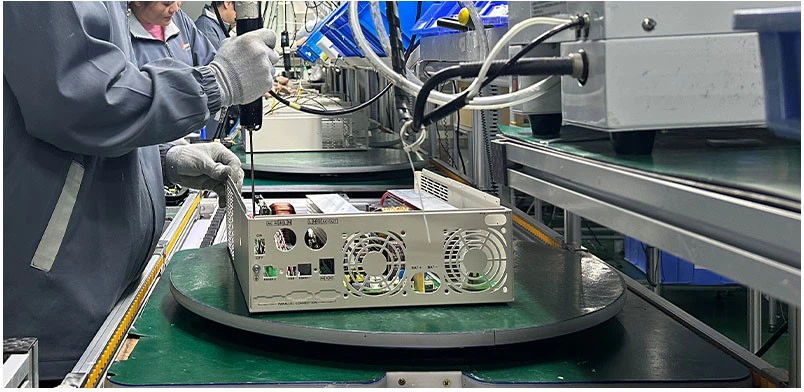
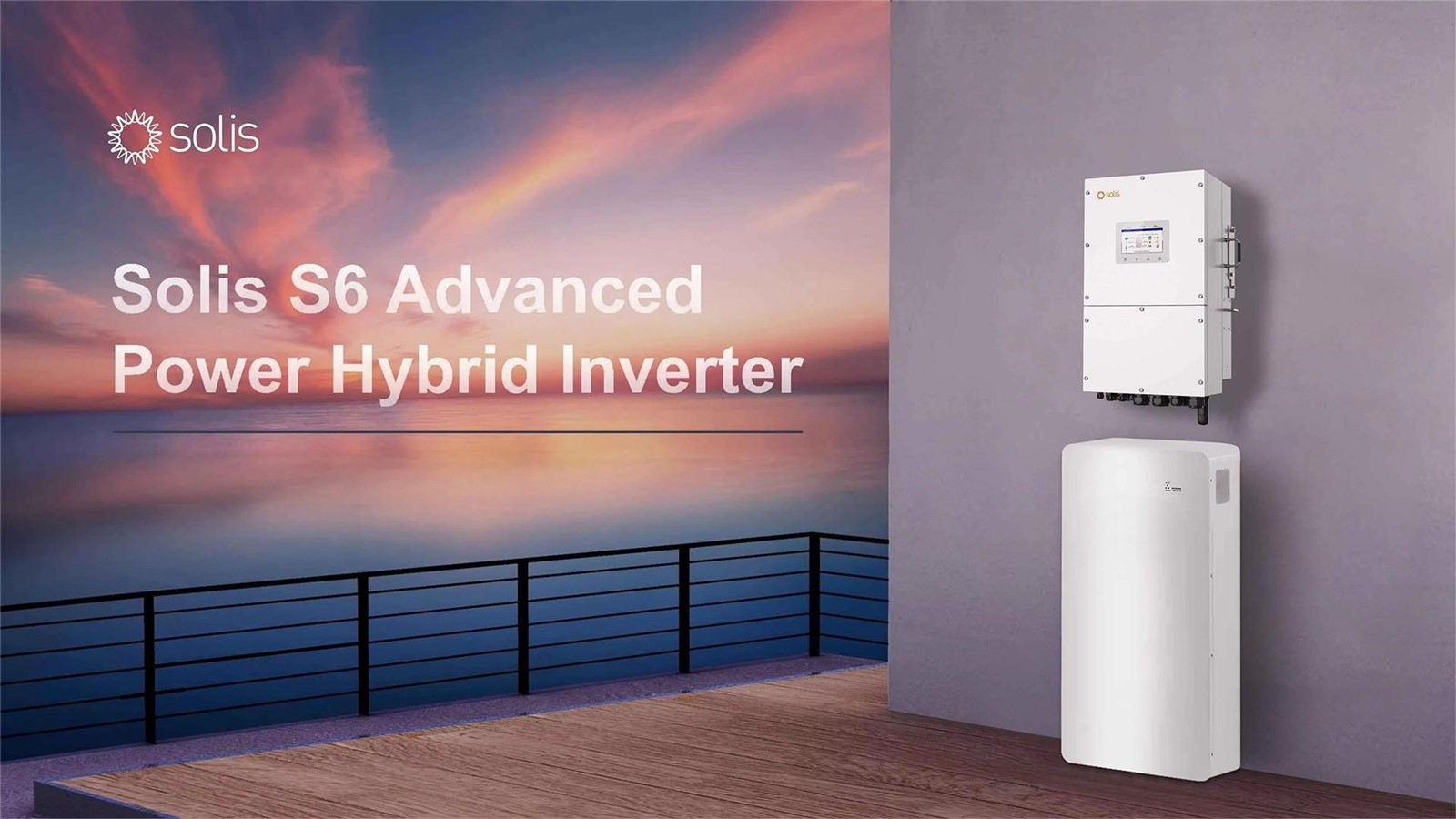
Hybrid inverters are the future of energy management, seamlessly integrating solar power with battery storage to provide a reliable and efficient power supply. These inverters can operate in both grid-tied and off-grid modes, ensuring continuous power even during grid outages. They are equipped with smart energy management systems that optimize the use of solar energy, storing excess power in batteries for later use. With advanced safety features and easy installation, hybrid inverters are an ideal solution for modern homes and businesses looking to reduce their carbon footprint and energy costs.
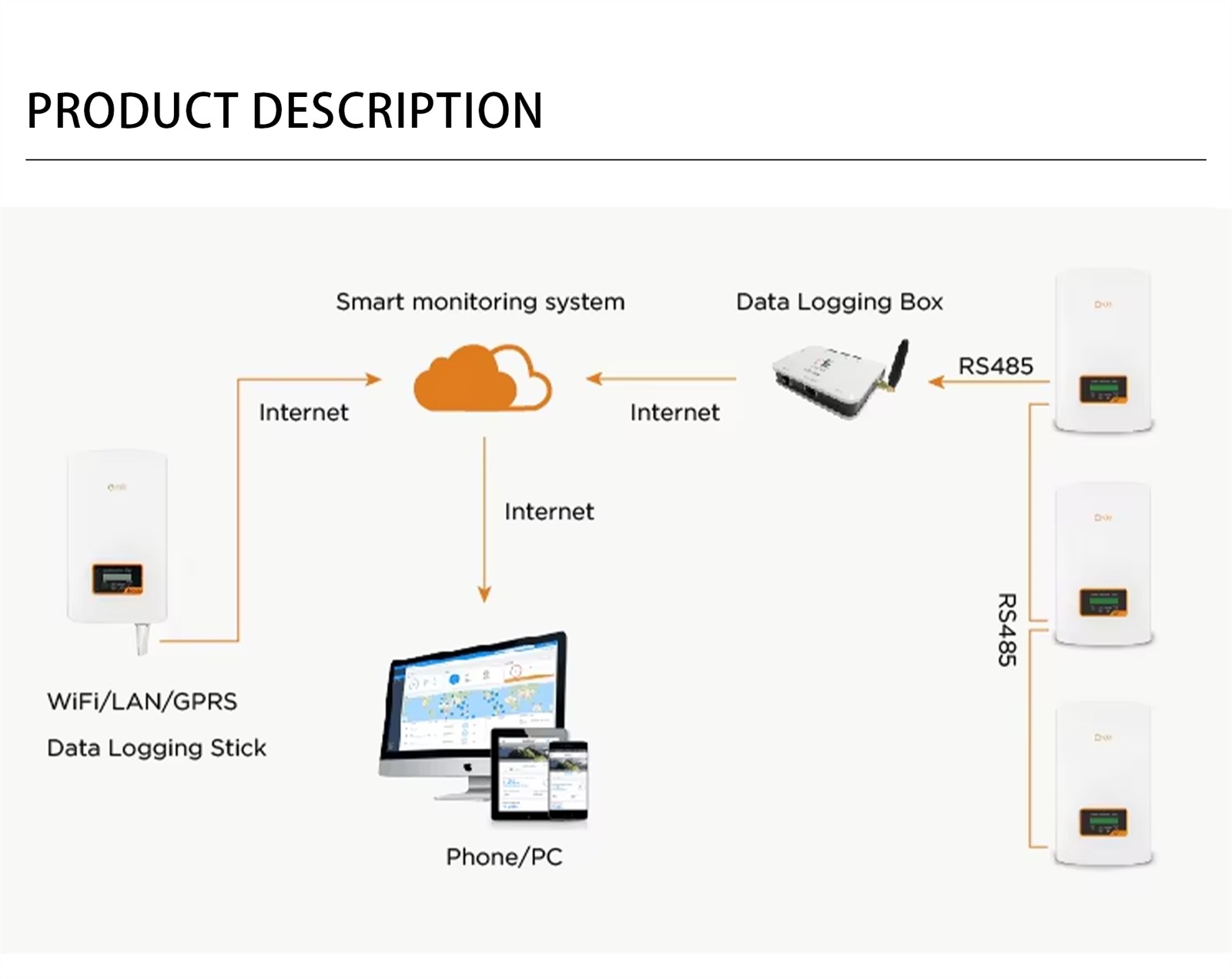
The hybrid inverter is a versatile device that combines the functions of a solar inverter and a battery inverter, allowing for efficient energy management and storage. This advanced hybrid inverter supports both grid-tied and off-grid operations, providing flexibility and reliability in various power supply scenarios. It is designed to maximize the use of renewable energy sources, such as solar and wind, by intelligently managing the energy flow between the grid, batteries, and loads. With a user-friendly interface and advanced monitoring features, it ensures optimal performance and ease of use for homeowners and businesses alike.
Hybrid inverters are designed to optimize energy efficiency by integrating solar power generation with battery storage. They offer seamless transitions between grid-tied and off-grid operations, ensuring a stable power supply regardless of grid conditions. These inverters come with advanced features such as maximum power point tracking (MPPT) to maximize solar energy capture and smart energy management algorithms to balance power usage and storage. With their compact size and easy installation, hybrid inverters are an excellent solution for residential and commercial applications aiming to reduce energy costs and enhance sustainability.

|
Model |
S6-EH3P10K02-NV-YD-L |
Battery type |
Lead acid or lithium battery |
|
Mains mode |
Max. charge current | 220A | |
|
Nominal input voltage |
380/400V |
Charge voltage range |
40 –60Vdc |
|
Frequency |
50Hz/60Hz (Auto detection) |
Solar charge |
|
|
Max. efficiency |
97.6% |
PV operate voltage range |
200Vdc~800Vdc |
|
Inverter mode |
MPPT voltage range | 200Vdc~800Vdc | |
|
Output voltage waveform |
Pure sine wave |
Max. PV input power/current |
16000W/40A |
|
Nominal output power(VA)/(W) |
10000W |
Charge current range |
220A |
|
Nominal output voltage (Vac) |
380/400V |
Certification |
|
|
Peak power |
20000VA |
EMC certification level |
NRS 097-2-1, IEC 62116, IEC 61727, IEC 60068, IEC 61683, EN 50530 PEA\MEA, IEC/EN 62109-1/-2, IEC/EN 61000-6-1/-3 |
|
Protection |
IP66 |
Operate temperature range |
-40 to +60℃ |
|
Battery voltage range |
40.0Vdc~60Vdc |
communicate |
RS485/CAN |
|
Mains charge |
Humidity range | 5% to 95%(Conformal coating protection) | |

Comparison Of Protection Levels
IP66 VS IP65
Dustproofcapability: Dustproof capability:
Completely dust-proof, no particles enter Completely dust-proof, no particles enter
Waterproofcapability: Waterproofcapability:
Protect against strong water column impact, twice Protect against low pressure water column impact
the water proof capacity of IPx5
Absolute advantage:
Dust-proof , IP66 can withstand strong currents, use is wider inthe environment of strong
convective weather like typhoon, rainstorm frequent have stronger adapt ability