


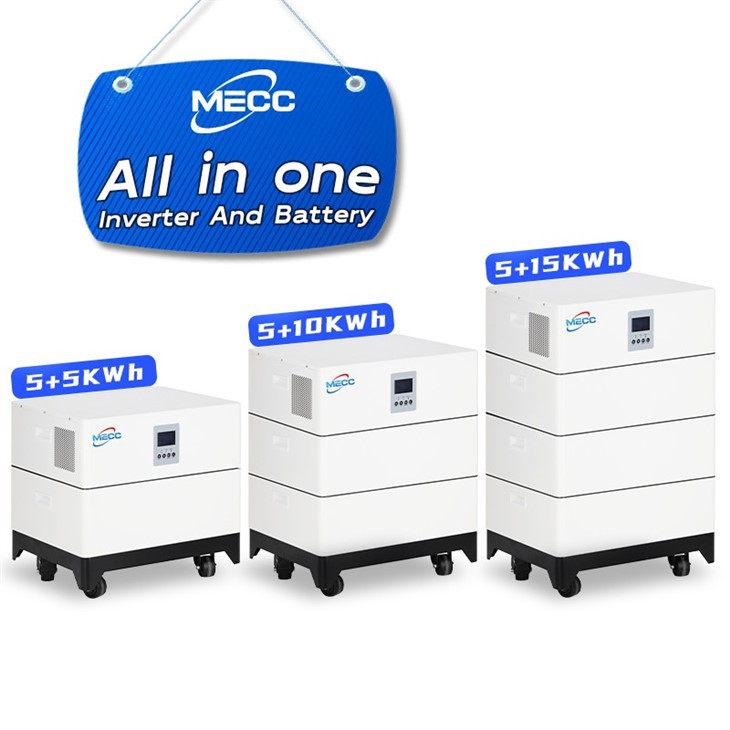


They are purposefully designed to meet the surging demand for sustainable power. The pv integrated solutions offer a host of features that make them highly appealing. Their adjustable mounting brackets are a game-changer, enabling users to optimize the installation angles based on the geographical location and the sun's path throughout the year. This ingenious design maximizes sunlight absorption, significantly enhancing the energy conversion efficiency. For off-grid applications, such as in remote cabins deep in the woods or on isolated islands, these solutions provide a reliable and independent power source. In grid-connected scenarios, they can either supplement the main grid supply or feed excess electricity back into it, offering flexibility and potential cost savings. The modular nature of these solutions allows for seamless expansion as power requirements grow over time.
They are based on multi-junction photovoltaic technology, a pinnacle of solar energy innovation. Combining multiple layers of semiconductor materials with different bandgaps, these devices can capture a far broader spectrum of sunlight than traditional single-junction cells. The complex production process revolves around molecular beam epitaxy (MBE), a technique that allows for the creation of exquisitely precise multi-junction structures. In an MBE chamber, atomic and molecular beams are directed onto a substrate under ultra-high vacuum conditions. This enables the controlled growth of each semiconductor layer, with thicknesses and compositions tuned to the nanometer scale. The result is a significant improvement in energy conversion efficiency, as the device can harvest energy from different wavelengths of sunlight that would otherwise be wasted. Stringent quality assurance procedures are in place to monitor the layer growth and ensure the seamless integration of each junction.
It is commonly found in schools in sunny regions. The generated electricity can be used to power classrooms, computer labs, and library lighting. This not only reduces the school's operating costs but also educates students about renewable energy and sustainability. Some schools even use it to run science experiments related to solar power.
|
Cell type |
3.2V100Ah |
|
|
Rated capacity |
100Ah |
200Ah |
|
Rated total energy |
5.12kWh |
10.24kWh |
|
Rated voltage |
51.2V |
|
|
Output power |
5000W |
|
|
Solar charging current |
0~80A |
|


FAQ
Q: What kind of maintenance does it require?
A: Regular cleaning of the solar panels to remove dirt, dust, and debris is crucial. This can be done with a soft cloth and mild detergent. You should aim to clean them at least once every few months, or more frequently if you live in a dusty or polluted area. Additionally, checking the electrical connections periodically to ensure they are tight and free from corrosion is recommended. The battery, if included, may need to be checked for its charge level and water level (for lead-acid batteries) every few months. For lithium-ion batteries, monitoring the temperature and ensuring proper charging cycles is important. Overall, these simple maintenance steps will keep your device operating at peak efficiency.
Hot Tags: solar hybrid inverter all in one, China solar hybrid inverter all in one manufacturers, suppliers, 48v lithium ion battery 200ah, wifi inverter, 48V Lithium Battery, mono crystalline panel, large scale energy storage systems, home energy backup systems


