


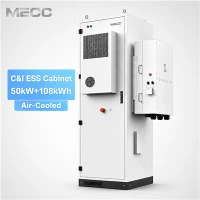
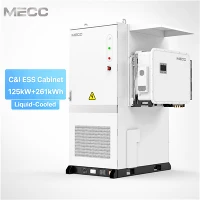
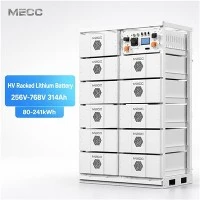
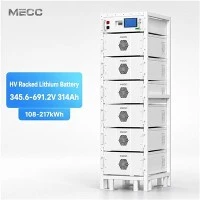


Products Description
Battery Charging Time
The battery charging time depends on several factors, including the battery capacity, the charging current, and the efficiency of the charging system. For example, a larger capacity battery will take longer to charge than a smaller one, and a higher charging current can reduce the charging time but may also affect the battery's lifespan if not properly managed. The charging algorithm and components are designed to optimize the charging time while ensuring the safety and health of the battery.
Solar Panel Shading Tolerance
Solar panels have different levels of shading tolerance. This is related to their design and the presence of bypass diodes and other features. Panels with better shading tolerance can still produce a significant amount of power even when partially shaded. However, shading can still have a negative impact on overall performance, so it's important to minimize shading as much as possible by proper panel placement and orientation. Understanding the shading tolerance of the solar panels helps in designing an efficient system layout.
Solar Panel Open Circuit Voltage and Short Circuit Current Testing
During production and installation, solar panels are tested for their open circuit voltage and short circuit current. Specialized test equipment is used to accurately measure these parameters. The results are compared to the panel's specifications to ensure proper functionality. Any deviations from the expected values may indicate a defect or improper assembly, and the panel is then further inspected or replaced.





|
Model
|
EVT400
|
|
Input
|
|
|
Input Power Range
|
180-550W
|
|
Operating Range
|
16-60V
|
|
Input Current
|
14A |
|
Output Data
|
|
|
Normal Voltage
|
220/230V
|
|
Frequency
|
50/60Hz
|
|
Power
|
400W |
| Others | |
|
Efficiency
|
96.8%
|
|
Communication
|
PLCC
|
|
Warranty
|
15 years |
|
IP
|
IP67
|
|
Temperature
|
- 40 to 65℃
|
|
Weight
|
1.8kg
|
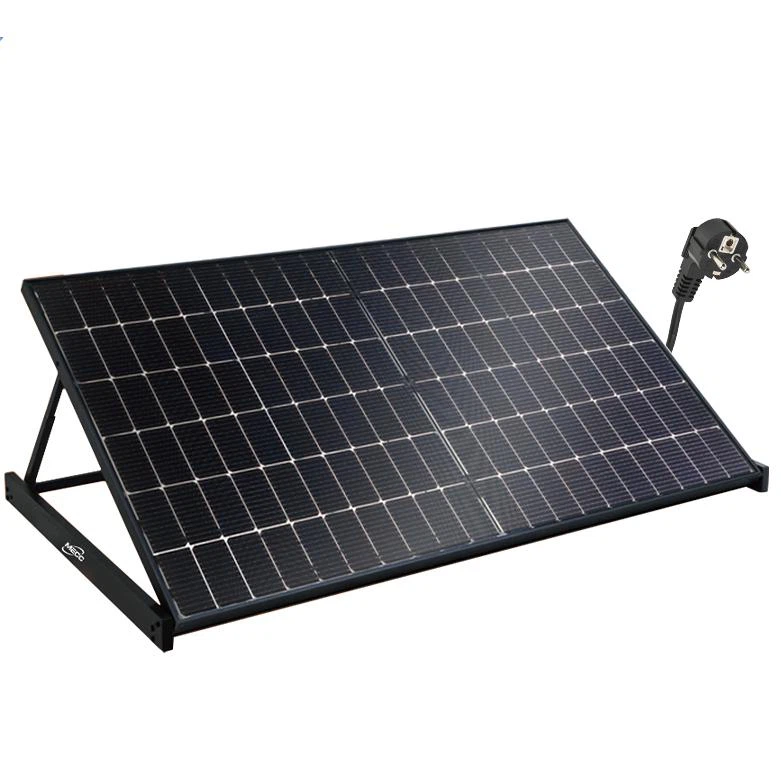




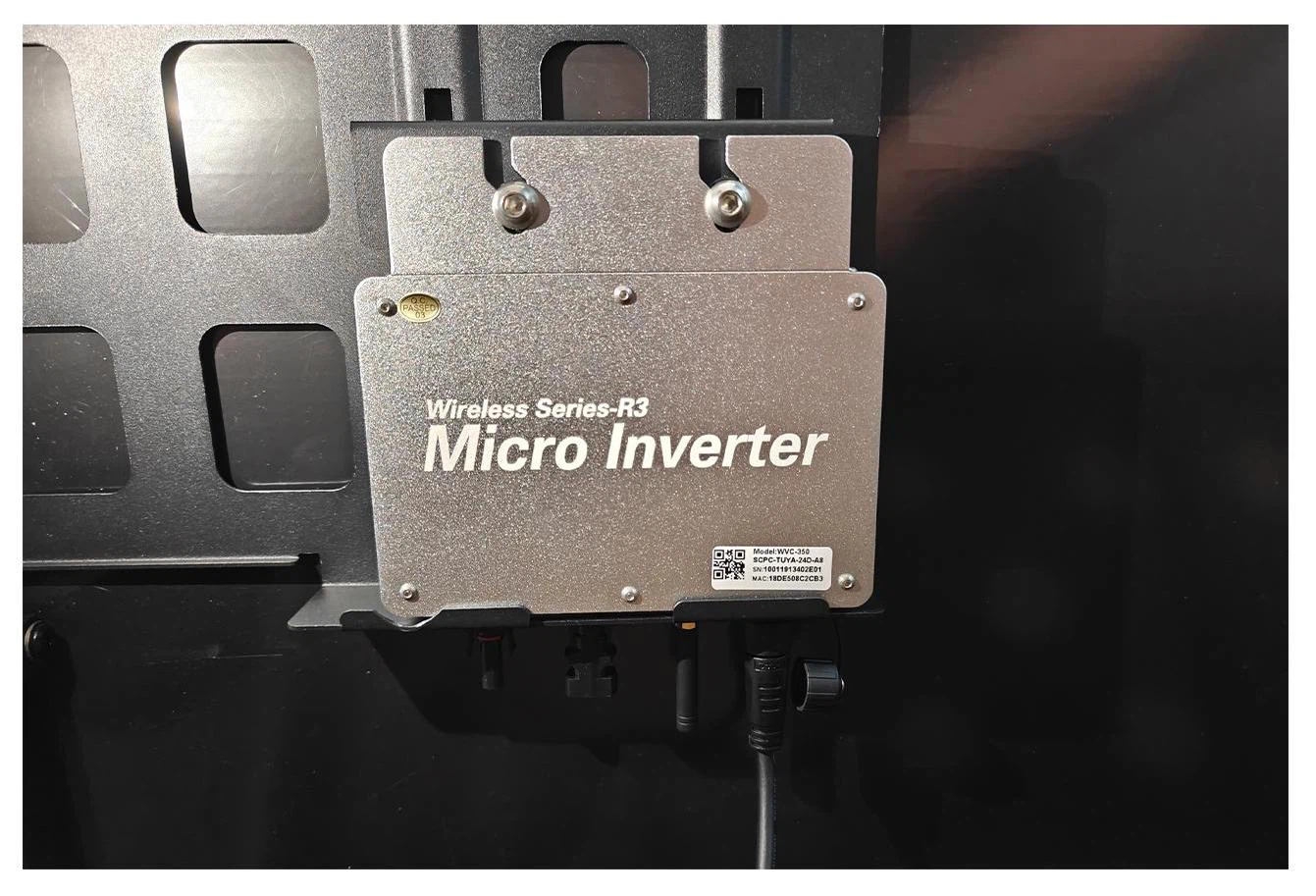


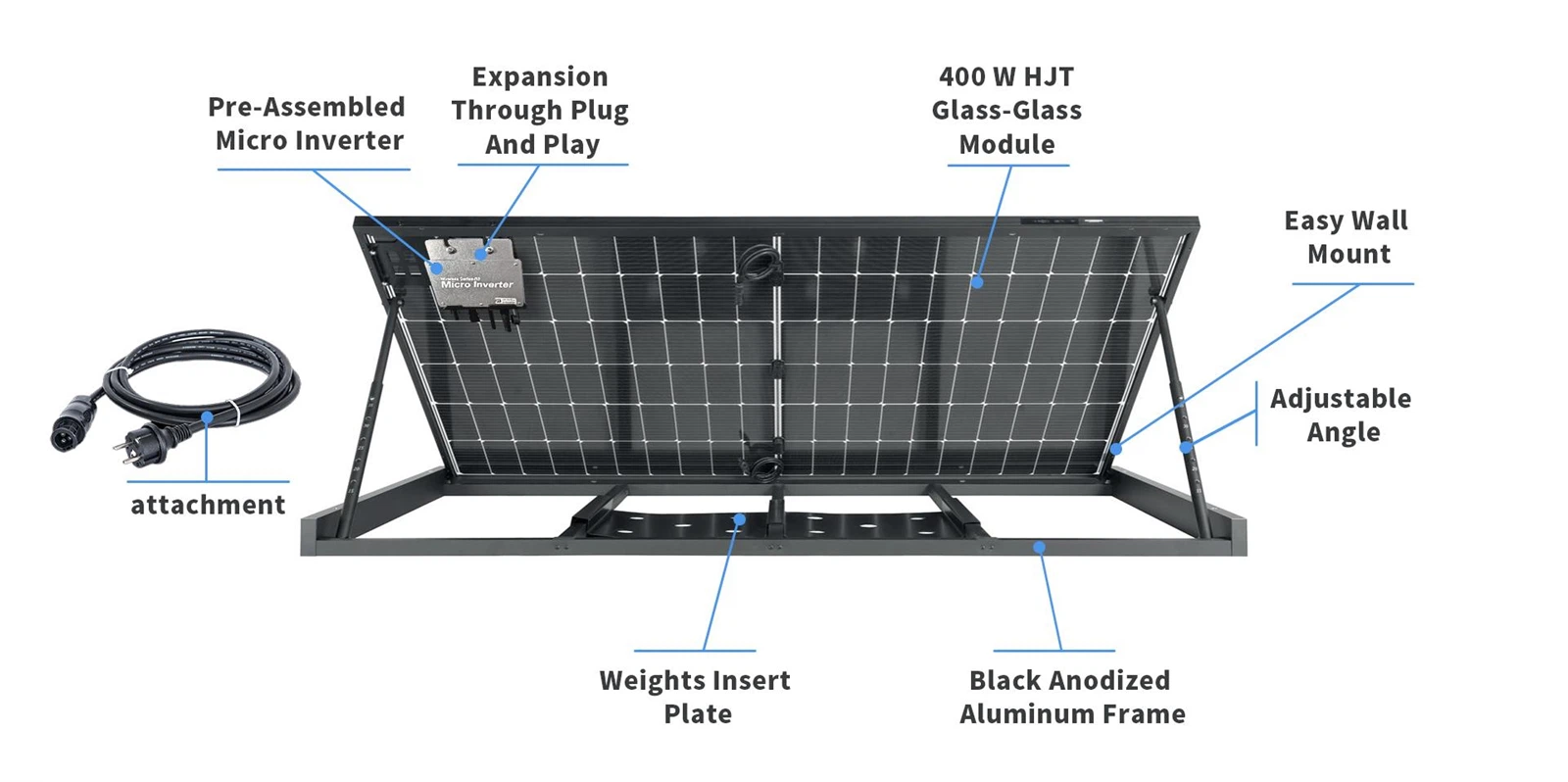


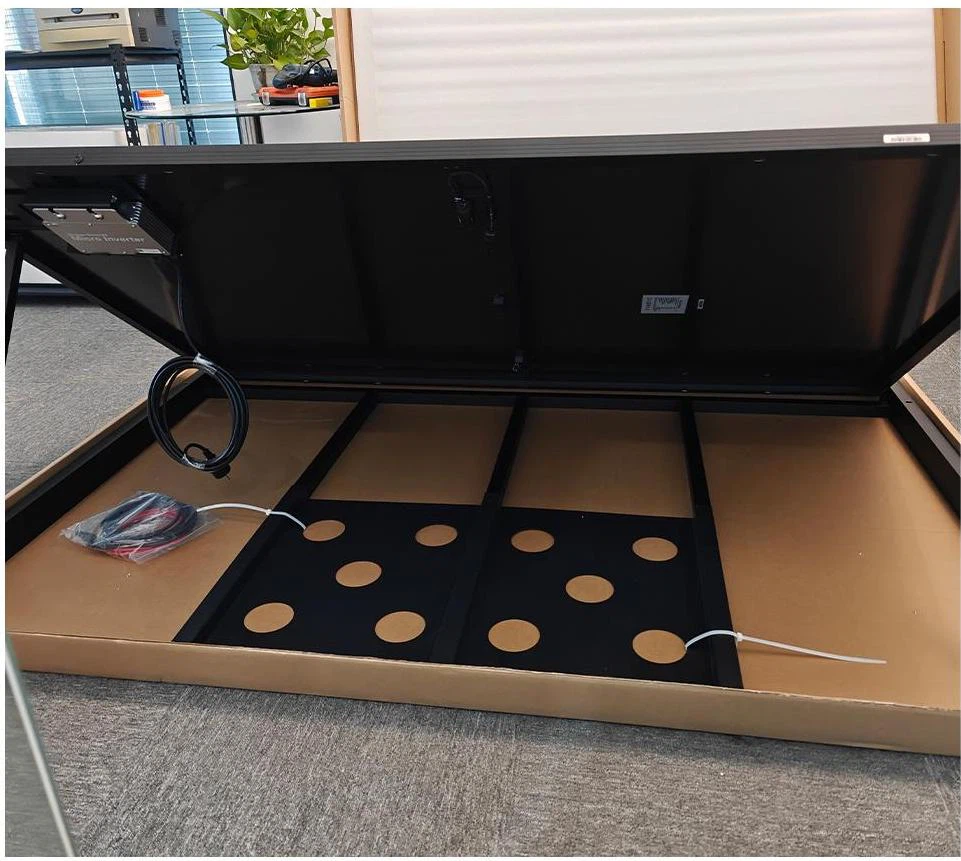







Factory
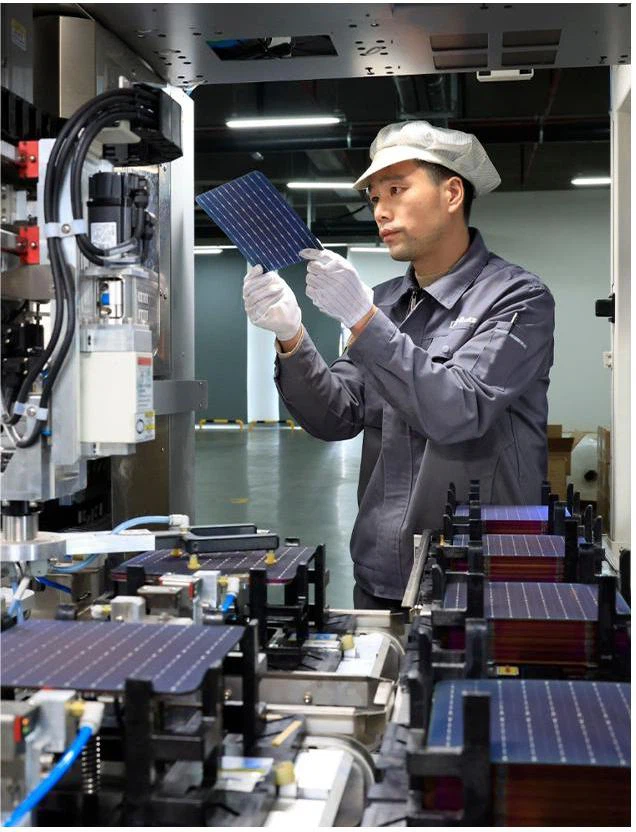
Cross-Functional Team Collaboration
Cross-functional team collaboration is a key feature of our factory operations. Teams consisting of members from engineering, production, quality control, and marketing work together on various projects. For example, during the development of a new product variant, these teams collaborate to ensure that the design is manufacturable, meets quality standards, and satisfies market demands. This collaborative approach breaks down silos and promotes a holistic view of product development and production, leading to more successful outcomes.
FAQ
Can I install it on a plastic balcony?
Installing on a plastic balcony is more difficult. The plastic may not have the structural strength to support the weight of the solar panels and mounting hardware. Additionally, issues with heat dissipation and potential damage to the plastic from the mounting process need to be considered. It's usually not a recommended option unless specialized mounting systems and engineering solutions are available.
What is the role of the optocoupler in the inverter?
Optocouplers in the inverter provide electrical isolation between different parts of the circuit. They allow for the transfer of signals while maintaining a separation of the electrical potentials. This helps in protecting sensitive components from electrical noise and voltage spikes, improving the overall reliability and safety of the inverter and the entire kit.
Hot Tags: micro inverter balcony solar system 400w, China micro inverter balcony solar system 400w manufacturers, suppliers


