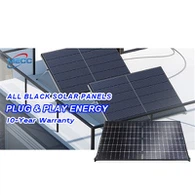
Products Description
Charge Controller Display
The charge controller display, if available, shows important information about the charging process. It indicates the battery voltage, charging current, and the status of the solar panel input. The display helps users to monitor the performance of the charge controller and ensure that the battery is being charged correctly. It may also provide alerts or error messages in case of any abnormal conditions, such as overcharging or a malfunctioning solar panel connection.
AC Outlet on Inverter
Some inverters are equipped with AC outlets, which provide a convenient way to directly power small appliances or tools. These outlets are usually protected by built-in circuit breakers to prevent overloading. They allow homeowners to use the electricity generated by the solar panels without the need for additional wiring or connection to the household electrical system. The AC outlets on the inverter are useful for powering devices like mobile phones, laptops, or small power tools in the vicinity of this system.
Inverter Cooling System Design
The inverter cooling system is designed to dissipate the heat generated during power conversion. It may include heat sinks made from thermally conductive materials like aluminum. Fans are strategically placed to create air circulation, forcing the hot air away from the components. Some advanced inverters use liquid cooling systems, where a coolant circulates through channels in the heat sinks to absorb and carry away the heat more efficiently, ensuring the inverter operates within its optimal temperature range.





|
Model
|
EVT400
|
|
Input
|
|
|
Input Power Range
|
180-550W
|
|
Operating Range
|
16-60V
|
|
Input Current
|
14A |
|
Output Data
|
|
|
Normal Voltage
|
220/230V
|
|
Frequency
|
50/60Hz
|
|
Power
|
400W |
| Others | |
|
Efficiency
|
96.8%
|
|
Communication
|
PLCC
|
|
Warranty
|
15 years |
|
IP
|
IP67
|
|
Temperature
|
- 40 to 65℃
|
|
Weight
|
1.8kg
|
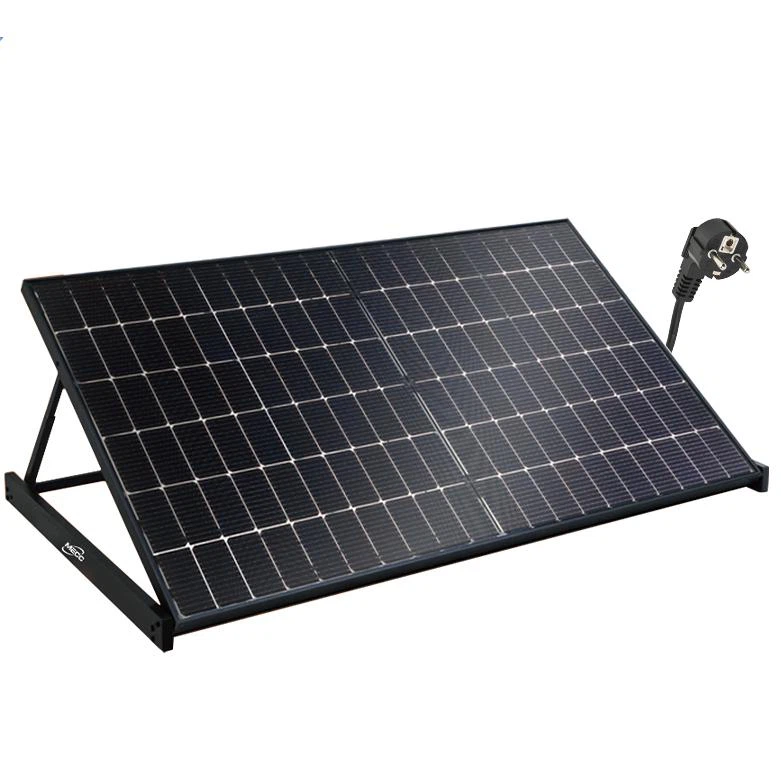




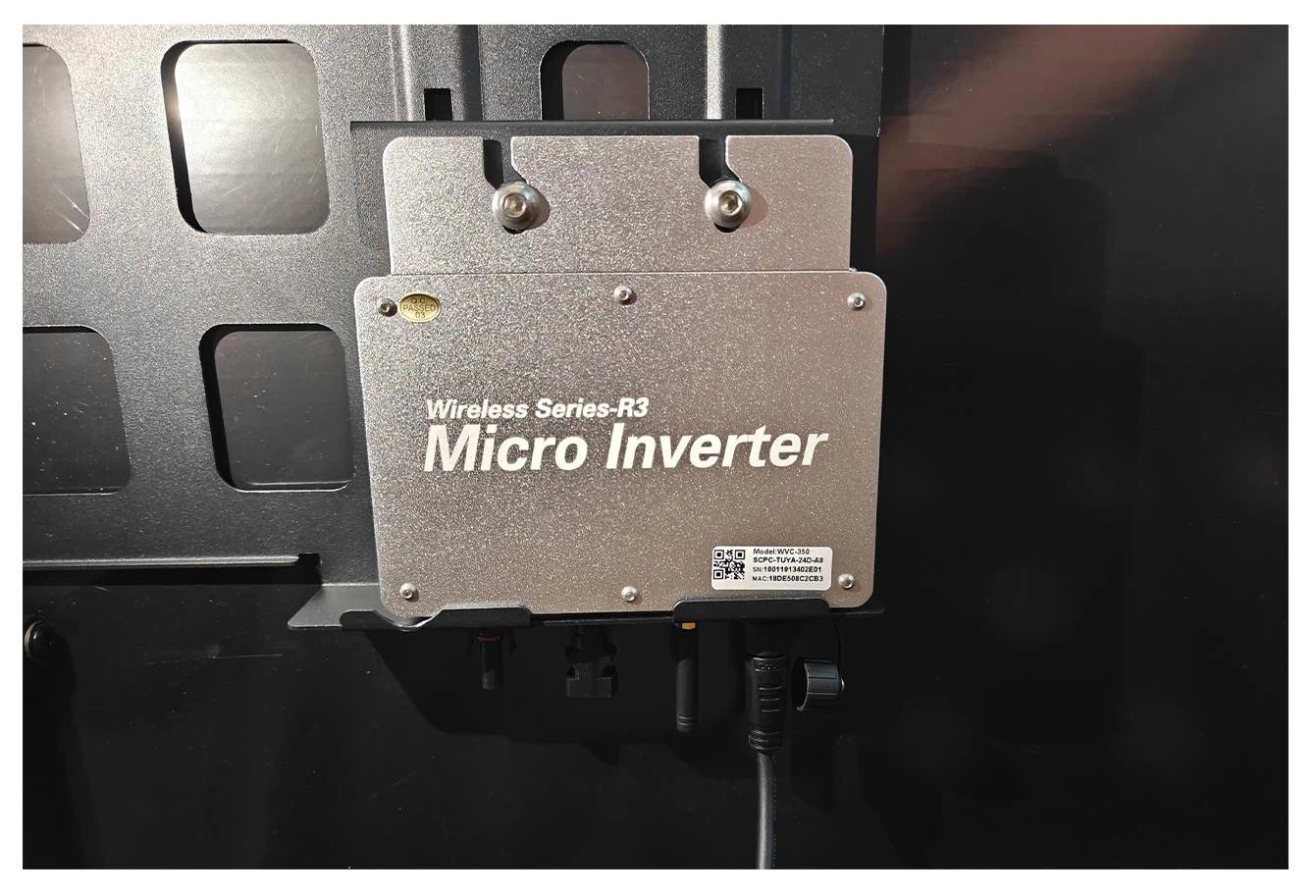


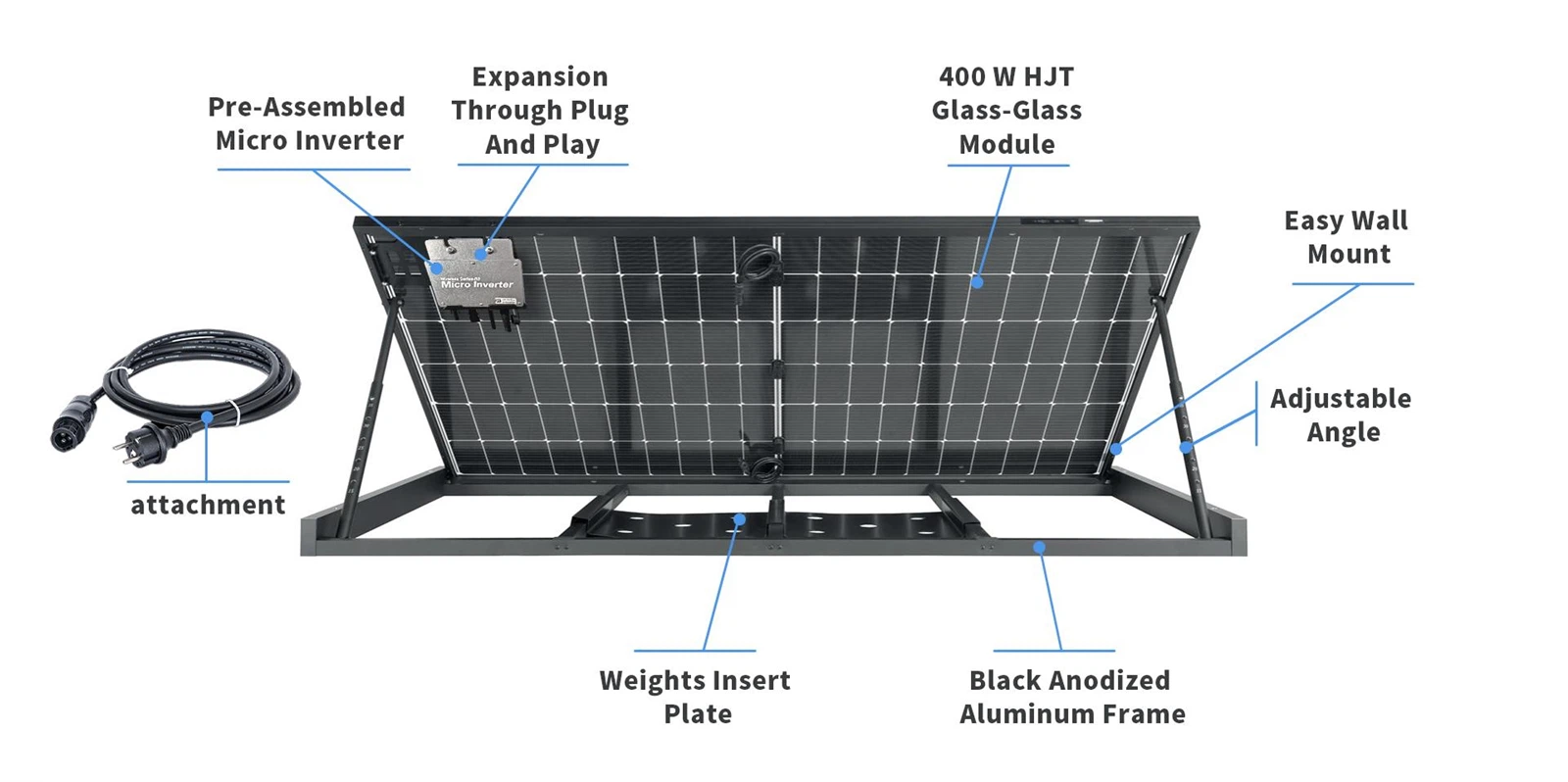







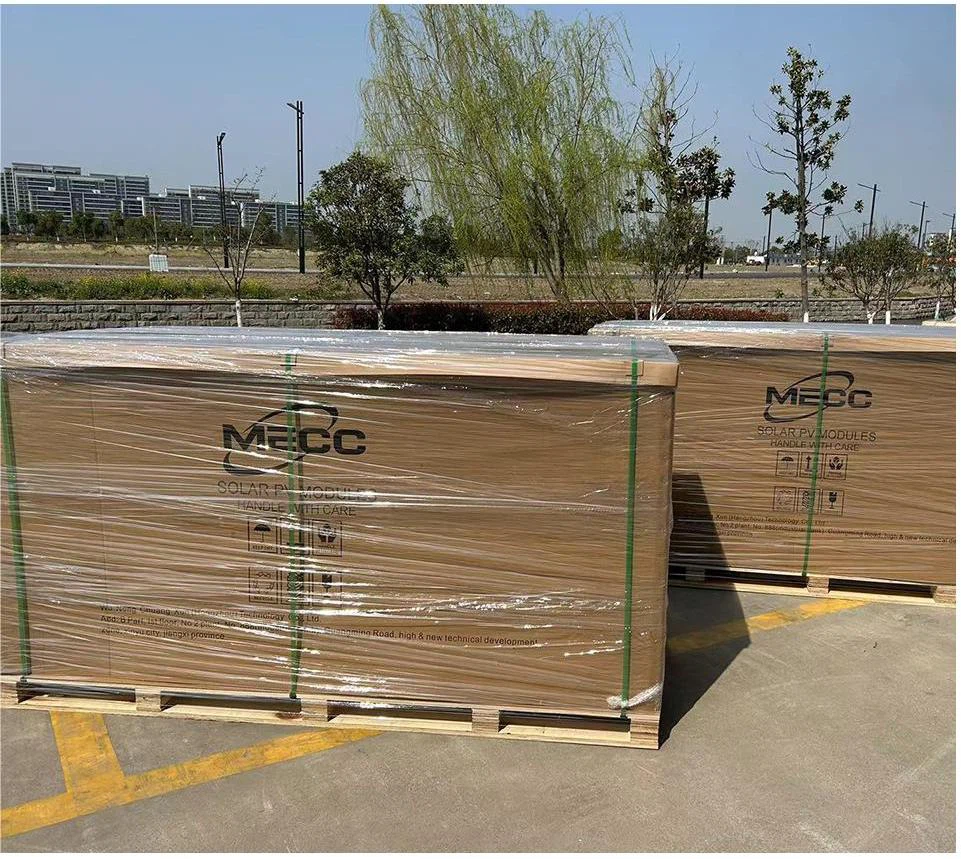


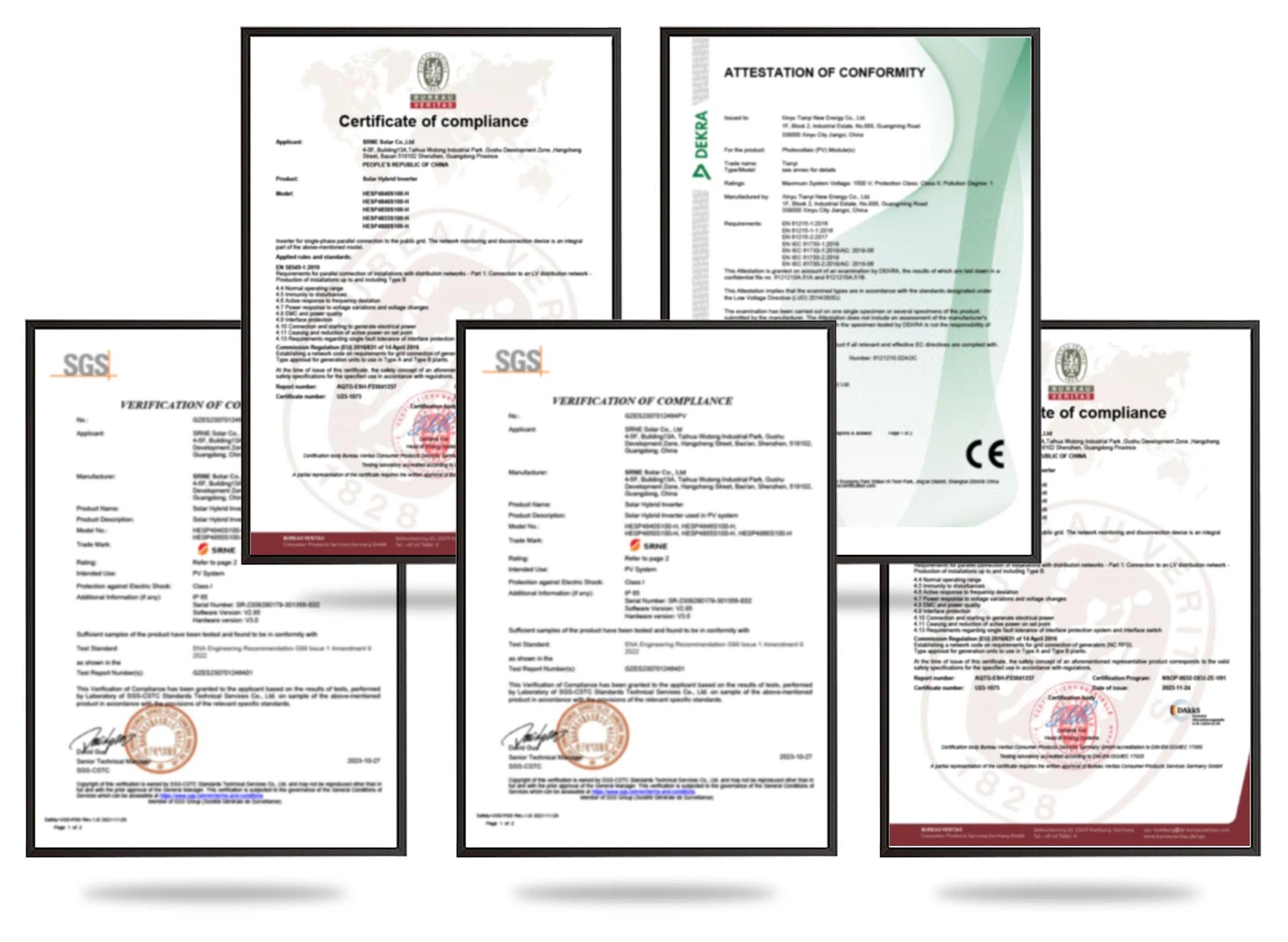
Factory
Data Analytics and Process Optimization
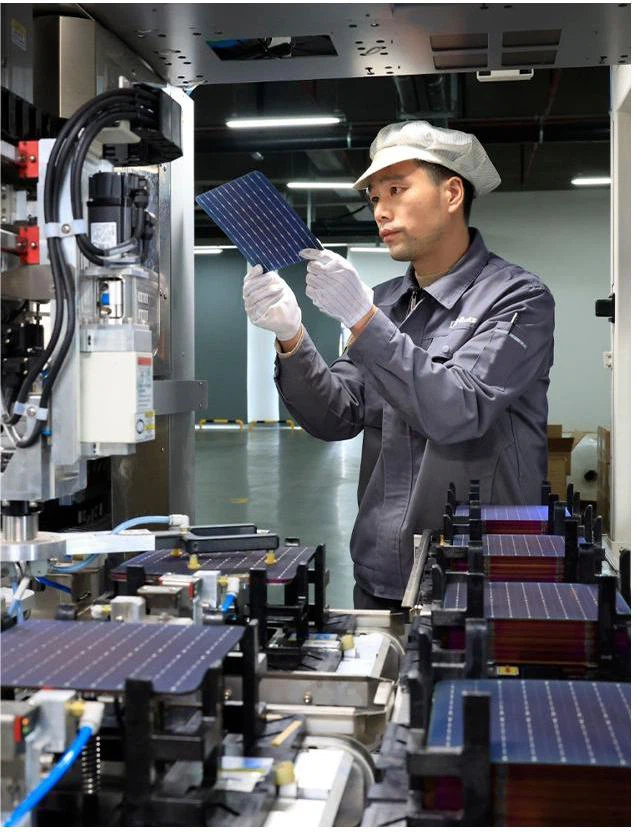
We leverage data analytics to drive continuous process optimization. Sensors are installed throughout the production line to collect real-time data on various parameters, such as production speed, quality metrics, and equipment performance. This data is analyzed using advanced analytics software to identify bottlenecks, inefficiencies, and areas for improvement. Based on these insights, we can make data-driven decisions to optimize production schedules, adjust equipment settings, and improve overall production quality. For instance, if the data shows a consistent increase in defect rates at a particular production step, we can investigate and implement corrective actions promptly.
FAQ
How accurate are the power generation estimates?
Power generation estimates are based on various factors such as panel specifications, local sunlight data, and system efficiency. While they can provide a rough idea, actual generation may vary. Changes in weather patterns, shading, and system degradation over time can affect the accuracy. It is advisable to use conservative estimates and monitor the system's performance regularly to get a more accurate understanding of its actual power generation.
What is the impact of panel tilt and orientation?
The tilt and orientation of the solar panels significantly affect power generation. Panels that are optimally tilted and facing south (in the northern hemisphere) or north (in the southern hemisphere) receive the most sunlight throughout the year. A proper tilt angle helps to maximize the absorption of sunlight. Deviations from the optimal orientation and tilt can lead to reduced power output, so it is important to consider these factors during installation.
Hot Tags: micro balcony solar system 400w, China micro balcony solar system 400w manufacturers, suppliers